Researchers Survey the Growing ADHD Coaching Boom
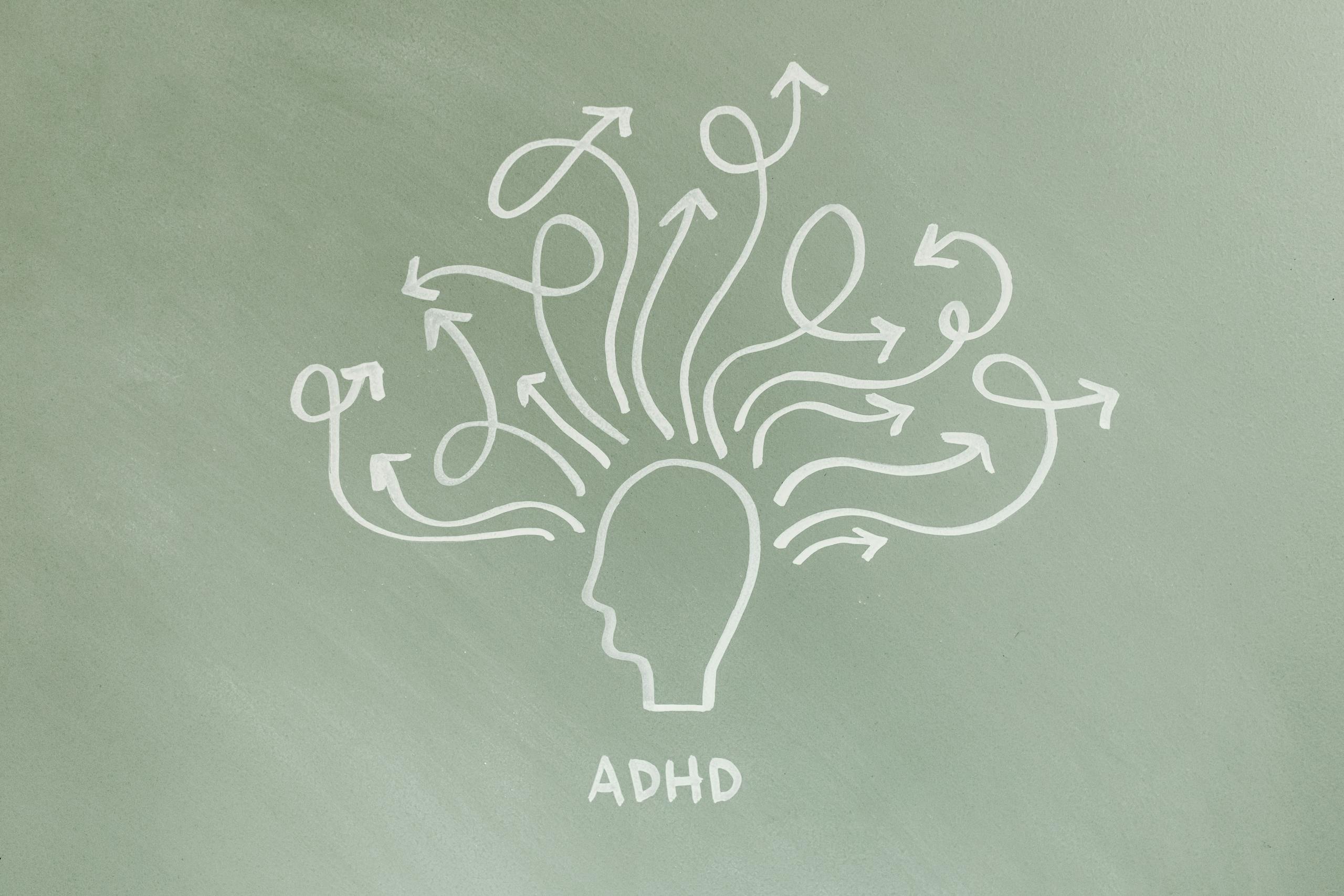
More people with attention-deficit/hyperactivity disorder (ADHD) are turning to a rapidly expanding group of professionals for help: ADHD coaches. A new study from the University of Washington School of Medicine, published in JAMA Network Open, takes the first deep, systematic look at who these coaches are, what they do, and how this largely unregulated field fits into the broader ADHD treatment landscape.
This research matters because ADHD coaching has moved quickly from the margins into the mainstream. Patients recommend it to one another online, clinicians increasingly mention it as an option, and treatment guidelines now acknowledge it as part of ADHD care. Yet until now, there has been surprisingly little concrete data about the people providing these services or the structure of their work.
Why Researchers Looked at ADHD Coaching
The interest in ADHD coaching did not arise in a vacuum. During the COVID-19 pandemic, people with ADHD faced multiple disruptions at once. There were shortages of ADHD medications, long waitlists for psychologists, and fewer available clinical appointments. At the same time, social media platforms amplified personal success stories from people who said ADHD coaching helped them manage daily life, productivity, and emotional challenges.
As demand increased, more individuals began offering ADHD coaching services. Some clinicians started recommending coaching to patients as a supplement to therapy or medication. Despite this rapid growth, there was a major problem: no systematically collected information about the ADHD coaching workforce existed.
The study’s lead author, Maggie Sibley, a professor of psychiatry and behavioral sciences at the University of Washington School of Medicine, recognized this gap. Together with Tamara Rosier, then president of the ADHD Coaches Organization, she helped design a national survey to answer some basic but essential questions. Who are ADHD coaches? How are they trained? What services do they provide? And how do they see their role compared to traditional mental health professionals?
Who ADHD Coaches Are
One of the most striking findings from the survey is that most ADHD coaches have ADHD themselves. This shared lived experience plays a central role in how coaching is delivered. Many coaches explicitly draw on their personal challenges and coping strategies when working with clients.
This connection can be deeply meaningful for people seeking support. For individuals with ADHD who have felt misunderstood or dismissed in clinical settings, working with someone who has “been there” can provide strong emotional validation. The study suggests that this shared experience is a defining feature of the ADHD coaching model.
Demographically, ADHD coaching is largely a self-employed, adult-focused workforce. Coaches typically operate independently, often online, and work with clients across state lines. Virtual sessions have become the norm, making coaching widely accessible regardless of geography.
What ADHD Coaches Do
In practical terms, ADHD coaches offer services that can look very similar to what psychologists or therapists provide. Sessions often focus on organization, time management, goal-setting, emotional regulation, and executive functioning skills. Coaches help clients break down tasks, build routines, and develop systems to manage everyday responsibilities.
According to the survey, ADHD coaches also regularly discuss topics that overlap with mental health care. These include stress, anxiety, substance use, medication adherence, and even crisis situations. Despite this overlap, most coaches do not consider their work to be clinical.
This distinction is important. While the services may resemble therapy in practice, ADHD coaching exists outside traditional health care systems. Coaches generally do not diagnose conditions, and their services are not covered by insurance.
Costs and Access
The financial aspect of ADHD coaching mirrors professional therapy in many ways. The survey found that the median hourly rate is $150, roughly comparable to many psychologists’ fees. However, unlike therapy, coaching is almost always paid for out of pocket.
For some clients, this flexibility is appealing. There are no insurance restrictions, no formal diagnoses required, and often shorter wait times. For others, the lack of coverage makes coaching financially inaccessible, raising questions about equity and access.
Training and Regulation Gaps
Perhaps the most concerning findings relate to training and oversight. Unlike psychologists, who must complete undergraduate education, doctoral degrees, supervised internships, and licensing exams, ADHD coaches face no formal requirements.
There is currently no standardized training, no mandatory licensure, no regulatory body, and no universal professional liability insurance for ADHD coaches. Some coaches complete coaching certification programs or peer-led training courses, but participation is voluntary and standards vary widely.
This lack of regulation creates risks on both sides. Clients may assume they are receiving evidence-based care when that is not guaranteed. Coaches, meanwhile, may find themselves unprepared to handle mental health crises or complex clinical situations.
A Profession at a Crossroads
The researchers describe ADHD coaching as a field standing at a critical turning point. One possible path is for coaches to remain outside health care systems while clearly defining their non-clinical boundaries. This would involve being transparent about what coaching can and cannot provide.
Another option is formalization. The study points to examples like physician assistants and peer substance-use counselors, professions that began as grassroots efforts and later developed standardized training, certification, and integration into health care. ADHD coaching could follow a similar path, creating clearer safeguards for both clients and practitioners.
The authors emphasize that this workforce is not going away. Coaches are deeply motivated to help others with ADHD, and demand for their services continues to grow.
Why This Research Matters
This survey does not attempt to prove whether ADHD coaching works. Instead, it establishes a foundation for future research. By documenting who coaches are and what they do, the study makes it possible to ask the next critical questions: Is ADHD coaching safe? Is it effective? And for whom does it work best?
Without this baseline data, it would be impossible to design meaningful clinical trials or policy discussions. The authors argue that understanding the structure of the field is a necessary first step toward evaluating outcomes.
What Is ADHD Coaching, Broadly Speaking?
Outside this study, ADHD coaching is often described as a skills-based, collaborative support model. Unlike therapy, which may focus on mental health diagnosis or emotional processing, coaching tends to emphasize practical strategies for daily functioning.
Research prior to this survey has suggested potential benefits, including improvements in executive functioning, motivation, self-confidence, and quality of life. However, most existing studies are small and lack rigorous controls, which is why large-scale evaluations are still needed.
ADHD Care Is Evolving
The rise of ADHD coaching reflects a broader shift in how ADHD is understood and managed. ADHD is no longer seen only as a childhood condition treated exclusively with medication. It is increasingly recognized as a lifelong neurodevelopmental condition that affects work, relationships, and self-identity.
As care models evolve, non-traditional supports like coaching are filling gaps left by overstretched clinical systems. The challenge now is ensuring that these supports are safe, transparent, and grounded in evidence.
Looking Ahead
The researchers behind this study view ADHD coaching as an opportunity rather than a threat. With thoughtful development, clearer standards, and rigorous research, coaching could become a valuable complement to traditional ADHD treatments.
For now, this survey offers the most detailed snapshot yet of a fast-moving field. It highlights both the promise of ADHD coaching and the serious questions that still need answers.
Research paper:
https://jamanetwork.com/journals/jamanetworkopen/fullarticle/2843968