Single-Dose Oral Cholera Vaccine Completes Phase 1 Trial With Promising Early Results
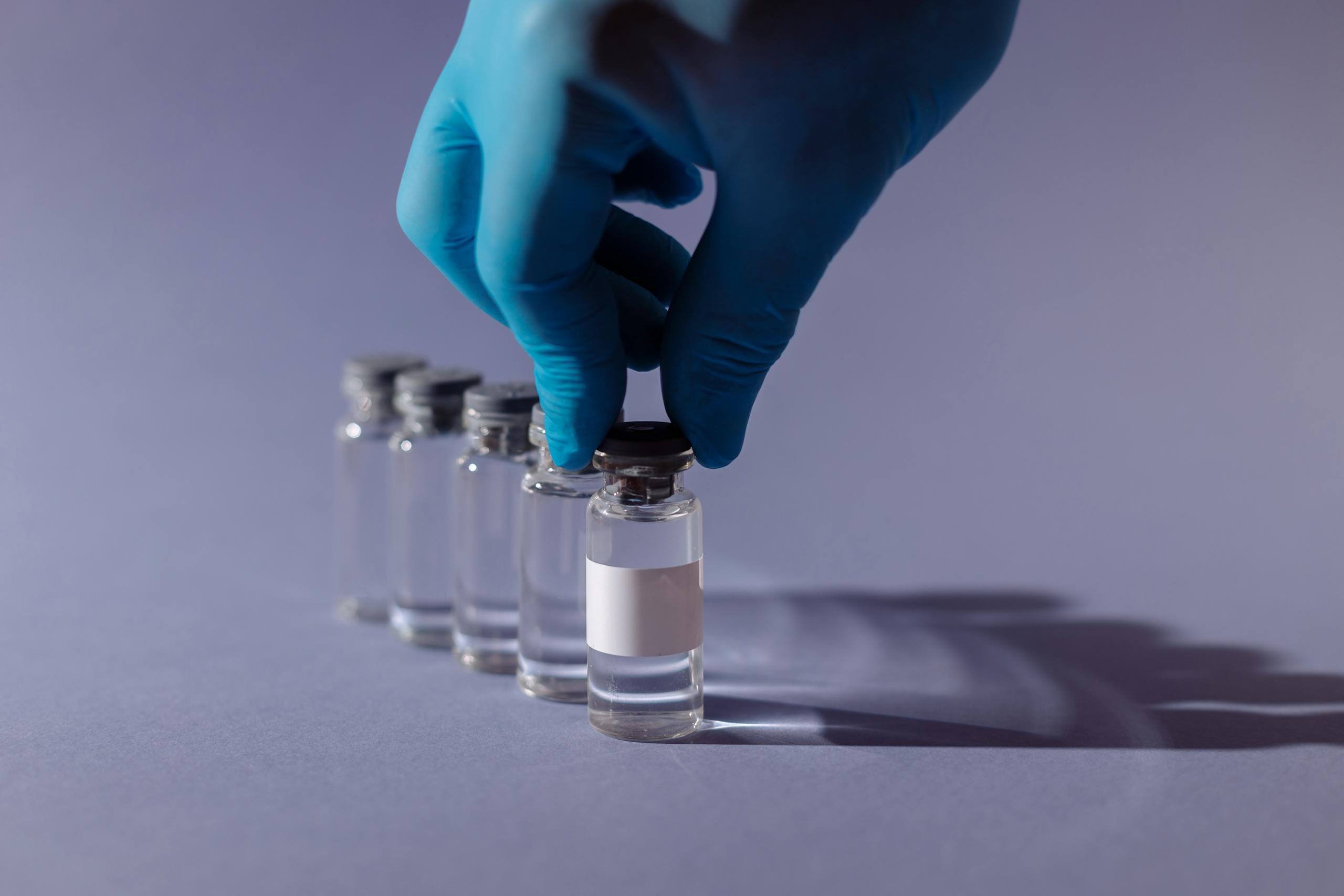
A team of scientists and physicians at Mass General Brigham has reported encouraging results from a phase 1 clinical trial of a newly developed single-dose oral cholera vaccine, marking a potentially important step forward in the global fight against cholera. The findings were published in The Lancet Infectious Diseases, one of the leading journals in infectious disease research, and highlight both the safety and strong immune response generated by the experimental vaccine, known as PanChol.
Cholera remains a serious global public health threat, particularly in low- and middle-income countries where access to clean water and sanitation is limited. Current vaccines exist, but they come with important limitations. The researchers behind PanChol set out to address some of these gaps by developing a vaccine that could work effectively with just a single oral dose, making it easier to deploy during outbreaks and in regions where healthcare access is constrained.
Cholera and Its Ongoing Global Burden
Cholera is caused by ingestion of food or water contaminated with the bacterium Vibrio cholerae. Once inside the body, the bacteria produce toxins that lead to severe diarrhea and vomiting, which can cause rapid dehydration and death if not treated promptly. Despite being preventable and treatable, cholera continues to cause widespread harm.
Globally, it is estimated that up to 4 million cholera cases occur each year, resulting in approximately 143,000 deaths. Around 1.3 billion people are considered at risk of contracting the disease. Outbreaks often occur in settings affected by conflict, natural disasters, or inadequate infrastructure, where clean water supplies are disrupted.
Vaccination is a critical tool for cholera prevention, especially during outbreaks. However, most currently available oral cholera vaccines are made from inactivated (killed) bacteria and typically require two or more doses to achieve protection. These vaccines also tend to be less effective in young children, who are among the most vulnerable to severe disease and death.
Why PanChol Was Developed
The development of PanChol was motivated by both scientific insight and real-world experience. The devastating cholera outbreak in Haiti in 2010, which followed a major earthquake, played a key role in inspiring the research. That outbreak led to hundreds of thousands of cases and highlighted the urgent need for better preventive tools.
PanChol is a live-attenuated vaccine, meaning it uses a weakened form of the cholera bacterium. The vaccine was derived from a strain of Vibrio cholerae that is responsible for most cholera cases worldwide today. By carefully modifying this strain, the researchers aimed to preserve its ability to stimulate the immune system while eliminating its capacity to cause disease.
Several specific genetic changes were introduced to make PanChol safer. These modifications prevent the bacterium from producing cholera toxin and reduce the risk that it could regain its harmful properties. The goal was to create a vaccine that can replicate briefly in the intestine, triggering a strong immune response, without causing illness.
Design of the Phase 1 Clinical Trial
The phase 1 trial involved 57 healthy adult participants and was designed primarily to evaluate safety, which is the main objective of early-stage clinical trials. The study also assessed how well the vaccine stimulated immune responses.
The trial began with a dose-escalation phase, in which participants received increasing doses of PanChol. This allowed researchers to identify doses that were both safe and capable of generating an immune response. After determining suitable dose levels, additional participants were randomly assigned to receive either a single oral dose of PanChol or a placebo.
The study followed a double-blind, randomized, placebo-controlled design, meaning neither the participants nor the researchers knew who received the vaccine or placebo during that phase. This approach helps ensure that the results are scientifically robust and free from bias.
Safety Findings From the Trial
The results of the trial were reassuring from a safety standpoint. Adverse events reported by participants were generally mild and short-lived. These included minor gastrointestinal symptoms, which are not unexpected for an oral vaccine.
Importantly, there were no serious vaccine-related safety concerns identified. One key aspect of evaluating live-attenuated vaccines is ensuring that the weakened bacteria remain stable and do not revert to a disease-causing form. To address this, researchers performed whole-genome sequencing on PanChol bacteria isolated from participants’ stool samples.
This analysis confirmed that the vaccine remained genomically stable after passing through the human gut, an essential requirement for ensuring long-term safety.
Immune Response and Vaccine Shedding
Beyond safety, the trial produced strong signals of immunogenicity, meaning the vaccine successfully activated the immune system. PanChol was found to replicate in the intestine, as indicated by vaccine shedding detected in stool samples. This shedding is considered a positive sign for live oral vaccines, as it suggests that the vaccine is engaging the immune system where cholera infection naturally occurs.
Most notably, 100% of vaccinated participants developed strong immune responses against Vibrio cholerae antigens within two weeks of receiving the vaccine. This universal response is particularly encouraging and suggests that even a single dose of PanChol may be sufficient to trigger protective immunity.
Why a Single-Dose Oral Vaccine Matters
A single-dose oral cholera vaccine could have significant advantages in real-world settings. During outbreaks, rapid vaccination is critical, and requiring multiple doses can slow response efforts. In many cholera-endemic regions, people may have difficulty returning for follow-up doses due to distance, cost, or instability.
A vaccine that works with one dose could improve coverage, reduce logistical challenges, and help protect populations more quickly. This could be especially impactful for children, refugees, and communities affected by emergencies.
Next Steps in PanChol Development
While the phase 1 results are promising, further research is needed before PanChol can be widely used. An important next step is to evaluate the vaccine in cholera-endemic regions, where prior exposure, environmental factors, and gut microbiomes may differ from those of participants in high-income countries.
To that end, an additional phase 1 trial is planned to begin in Lusaka, Zambia, in early 2026. This study will help researchers understand how PanChol performs in a setting where cholera risk is higher and where the vaccine is ultimately intended to be used.
Future studies will also be needed to assess long-term protection, effectiveness in children, and performance during actual outbreaks.
Broader Implications for Global Health
The development of PanChol reflects broader efforts to improve vaccines for neglected and under-resourced diseases. Cholera is a disease that disproportionately affects the world’s poorest populations, yet advances in vaccine technology have the potential to dramatically reduce its toll.
If PanChol continues to demonstrate safety and effectiveness in future trials, it could become a valuable addition to the global cholera control toolkit. Combined with investments in clean water, sanitation, and surveillance, improved vaccines could help move the world closer to preventing large-scale cholera outbreaks.
Research Reference
Safety and immunogenicity of PanChol, a single-dose live-attenuated oral cholera vaccine: results from a phase 1a, double-blind, randomised, placebo-controlled trial, The Lancet Infectious Diseases (2026). DOI: https://doi.org/10.1016/S1473-3099(25)00682-6