Sleeping In on Weekends May Help Protect Teens’ Mental Health, New Research Suggests
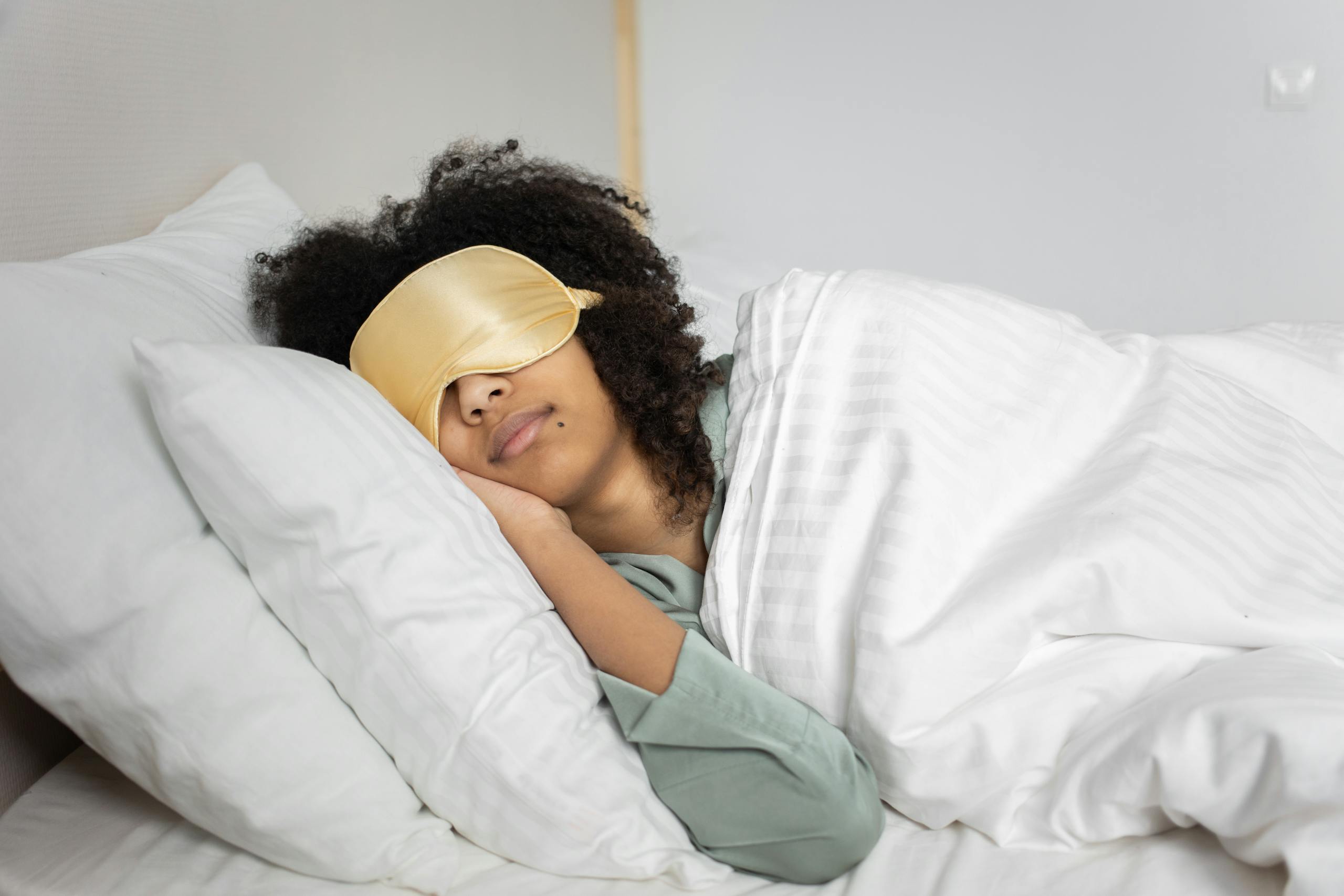
Sleeping late on weekends is often treated as a bad habit, especially for teenagers and young adults. Parents worry it disrupts routines, and sleep experts usually emphasize strict consistency. But new research suggests that catching up on sleep on weekends may actually help reduce the risk of depression in adolescents, offering a more realistic approach to teen sleep in the modern world.
A recent study led by researchers from the University of Oregon and State University of New York Upstate Medical University found that young people who slept longer on weekends to compensate for weekday sleep loss showed significantly fewer symptoms of depression. The findings add an important layer to ongoing discussions about adolescent sleep, mental health, and the pressures young people face today.
A Closer Look at the Study
The research focused on individuals aged 16 to 24, a group that sits at the intersection of late adolescence and early adulthood. This age range is particularly important because it coincides with major biological, psychological, and social changes, as well as an increased vulnerability to mental health challenges such as depression.
Using data from the 2021–2023 National Health and Nutrition Examination Survey (NHANES), the researchers analyzed sleep patterns and mental health indicators from a nationally representative sample of U.S. adolescents and young adults. Participants reported their usual bedtimes and wake-up times on both weekdays and weekends. From this information, the researchers calculated something known as weekend catch-up sleep, defined as the difference between average sleep duration on weekends versus weekdays.
The results were striking. Participants who caught up on sleep during the weekend had a 41% lower risk of experiencing symptoms of depression compared with those who did not make up for lost sleep. Depressive symptoms were identified when individuals reported feeling sad or depressed on a daily basis, a commonly used measure in large population-based studies.
Why Sleep Loss Is So Common in Teens
Sleep deprivation among teenagers is not new, but it has become increasingly widespread. Adolescents today juggle school demands, homework, extracurricular activities, part-time jobs, social lives, and heavy screen use, all of which compete for time that should ideally be spent sleeping.
Biology also plays a major role. During adolescence, the body’s circadian rhythm naturally shifts, making teens feel alert later at night. This phenomenon, often described as a move from being a “morning lark” to a “night owl,” means that falling asleep early becomes genuinely difficult, even when teens try.
For many teenagers, the natural sleep window is closer to 11 p.m. to 8 a.m., but early school start times in the U.S. often require waking up much earlier. The result is chronic weekday sleep deprivation that builds up over time.
Weekend Catch-Up Sleep as a Protective Factor
Traditionally, sleep researchers have recommended that adolescents aim for eight to ten hours of sleep every night, ideally at the same time each day. While this remains the gold standard, the authors of this study acknowledge that such consistency is not always practical for many young people.
This is where weekend catch-up sleep becomes relevant. Rather than viewing weekend sleep-ins as harmful, the study suggests they may act as a buffer against some of the mental health consequences of weekday sleep loss. In other words, if teens cannot realistically meet sleep recommendations during the week, extra sleep on weekends may still provide meaningful benefits.
Importantly, the researchers do not argue that weekend sleep fully replaces regular, healthy sleep habits. Instead, they frame it as a harm-reduction strategy that reflects the realities of adolescent life.
How This Study Stands Out
One reason this research is particularly noteworthy is that U.S. adolescents have rarely been included in studies examining weekend catch-up sleep. Previous research on the topic largely focused on school-age teens in countries such as China and South Korea, where school schedules and cultural expectations around sleep differ from those in the United States.
By using NHANES data, the researchers were able to capture a broad and diverse snapshot of American teens and young adults. This makes the findings more relevant for U.S. public health discussions, especially those related to school start times, adolescent mental health, and sleep education.
Depression and Daily Functioning in Young People
Depression is one of the leading causes of disability among people aged 16 to 24. In this context, disability does not only refer to severe clinical impairment but also to everyday disruptions, such as difficulty concentrating, calling in sick, or being late to school or work.
Understanding how lifestyle factors like sleep influence depression risk is crucial for developing effective prevention strategies. While sleep alone cannot prevent depression, it plays a foundational role in emotional regulation, stress resilience, and overall brain health.
Why Sleep Matters for Mental Health
Sleep affects nearly every system in the body, but its relationship with mental health is especially strong. During sleep, the brain processes emotions, consolidates memories, and regulates mood-related neurotransmitters such as serotonin and dopamine. Chronic sleep deprivation can interfere with these processes, increasing vulnerability to low mood, irritability, and depressive symptoms.
In adolescents, whose brains are still developing, the impact of insufficient sleep may be even more pronounced. Research consistently shows links between short sleep duration and higher rates of anxiety, depression, and emotional dysregulation in teens.
The Bigger Picture: School Start Times and Sleep Policy
The findings also feed into broader debates about school start times. Many sleep scientists and healthcare providers support delaying high school start times to better align with adolescent biology. Studies have shown that later start times are associated with longer sleep duration, improved mood, better academic performance, and reduced absenteeism.
While policy changes can be slow, research like this underscores the importance of flexibility and realism when it comes to adolescent sleep recommendations.
Striking a Balance
One key takeaway from the study is balance. Consistent sleep remains ideal, but perfection is not always possible. Allowing teens to recover some lost sleep on weekends may be more beneficial than forcing strict schedules that ignore biological and social realities.
That said, extremely long or irregular weekend sleep patterns can sometimes lead to what researchers call “social jet lag,” where the body struggles to adjust back to weekday routines. Moderation appears to be important, with weekend catch-up sleep acting as a supportive tool rather than a cure-all.
What This Means for Teens and Parents
For teens, the message is reassuring: sleeping in on weekends isn’t necessarily a bad thing, especially if weekday sleep is consistently short. For parents, educators, and healthcare providers, the findings encourage a more compassionate and evidence-based approach to adolescent sleep habits.
Instead of focusing solely on rigid schedules, it may be more helpful to prioritize overall sleep quantity, mental health awareness, and supportive environments that make healthy sleep more achievable.
Final Thoughts
This study adds to a growing body of research highlighting the deep connection between sleep and mental health. While getting enough sleep every night remains the goal, weekend catch-up sleep appears to offer real mental health benefits for adolescents and young adults navigating demanding schedules and biological changes.
As conversations around teen mental health continue to evolve, sleep deserves a central place—not as a source of guilt, but as a powerful and practical tool for well-being.
Research paper:
https://doi.org/10.1016/j.jad.2025.120613