Tirzepatide May Quiet Food Noise in the Brain but Only for a Limited Time
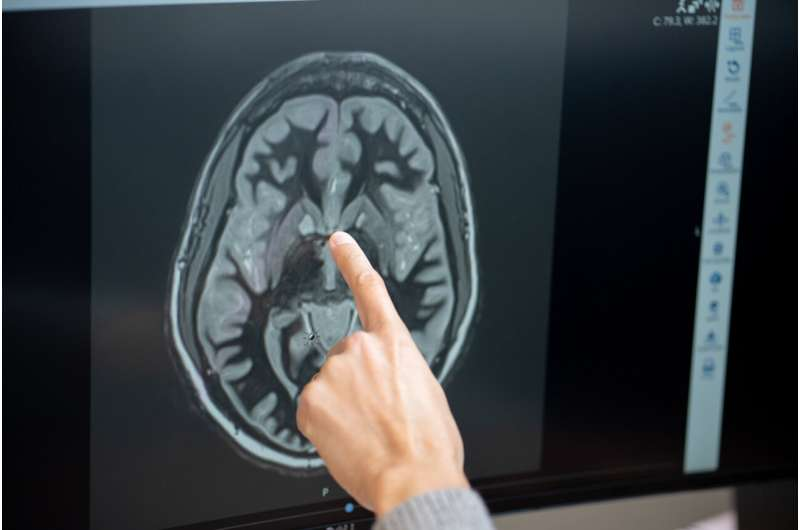
A new case study from the Perelman School of Medicine at the University of Pennsylvania offers a rare look into how the widely used medication tirzepatide may influence brain activity linked to cravings and compulsive eating. While tirzepatide—sold as Mounjaro and Zepbound—is already known for its strong effects on type 2 diabetes and weight loss, researchers were able to observe its impact directly on the brain’s reward center, revealing both encouraging and concerning findings. The medication appeared to temporarily silence the brain signals tied to food noise, but the effect did not last.
Below is a clear breakdown of what happened, why this study is unusual, and what it may mean for treating obesity and impulse-driven eating behaviors.
A Rare Opportunity to Watch a Weight-Loss Drug Work Inside the Brain
Most research on tirzepatide focuses on the body—blood sugar, digestion, appetite hormones. This new study is different because scientists were able to monitor a living human brain in real time.
The research involved a 60-year-old woman participating in a clinical trial after years of unsuccessful treatments for severe, treatment-resistant obesity. Her history included bariatric surgery, multiple medications, behavioral therapy, and treatment attempts for loss-of-control eating, yet she continued to struggle with persistent food noise—constant intrusive thoughts about food that pushed her to overeat even when she wanted to stop. She also had type 2 diabetes, which is why her doctor prescribed tirzepatide.
What made her case scientifically valuable is that she began tirzepatide before undergoing a neurosurgical procedure in the trial. The surgery involved implanting intracranial electroencephalography (iEEG) electrodes into a deep brain structure called the nucleus accumbens (NAc). This region plays a major role in reward, pleasure, motivation, and impulsive behavior. Researchers rarely get direct access to this area in humans, and this situation allowed them to observe how tirzepatide affected the NAc’s electrical signaling.
Understanding Food Noise and Why It Matters
Food noise is not just casual daydreaming about snacks. For many people with obesity or eating disorders, it involves continuous intrusive thoughts, urges to binge, and a sense of losing control. Up to 60% of people with obesity report experiencing this kind of mental chatter. It is also common in conditions such as binge eating disorder (BED), bulimia nervosa, and even anorexia nervosa, where repetitive thoughts about food fuel destructive patterns.
Previous research from the same neurosurgery team found that the NAc shows a very specific type of electrical activity right before a person experiences the urge to binge. This activity looks different from normal hunger. They also demonstrated that stimulating the NAc with high-frequency electrical pulses—when these signals appear—can prevent binge episodes in some patients.
That background made this new case especially interesting: if tirzepatide changed activity in that same brain region, it could offer clues about how these medications influence cravings and whether they could be useful for impulse-driven eating disorders.
What Happened When the Patient Took Tirzepatide
Once the electrodes were implanted and the patient reached the maximum tirzepatide dose, researchers recorded something remarkable. The NAc showed no abnormal craving-related activity, and the patient herself reported no food preoccupation. During this period, her long-standing obsessive thoughts about cupcakes, salty snacks, and fast-food meals simply stopped. Her brain signals were “quiet,” and she experienced a temporary break from the compulsive eating cycle.
However, this calm did not last.
After about five months, the once-suppressed NAc activity reappeared. Electrical patterns associated with craving and loss-of-control eating returned to levels typically seen in people with obesity. Along with that, her intense food noise also came back, demonstrating a clear connection between the neural activity and her symptoms.
The important takeaway: tirzepatide initially silenced both the cravings and the electrical signals behind them, but the effect was temporary. This suggests the drug influences the brain’s reward circuitry in ways researchers had not clearly observed before, but the medication’s design may not sustain these changes long term.
How This Fits Into the Larger Clinical Trial
The woman was one of four participants in the ongoing trial. The others, who were not taking tirzepatide, consistently showed:
- Elevated NAc activity linked to craving
- Frequent episodes of food preoccupation
- No periods of “quiet” in the reward center
This made the tirzepatide-related quiet period in Participant 3 even more striking. Her temporary drop in NAc activity stood out sharply against the patterns seen in the other participants.
Implications for Treating Obesity and Eating Disorders
The study suggests several important possibilities:
1. Tirzepatide affects the brain’s reward system directly.
While GLP-1 and GIP drugs were designed to regulate blood sugar and appetite hormones, this case shows they may also influence brain circuits tied to cravings and impulse control.
2. The effect may not be long-lasting.
Because the patient’s food noise returned after several months, tirzepatide may need to be combined with other therapies—or modified—to maintain brain-level benefits.
3. A potential biomarker for craving may have been identified.
The NAc’s electrical activity could serve as a marker that signals when someone is about to experience food preoccupation or binge urges. This could guide future treatments, including behavioral therapies, medications, or brain-based interventions.
4. These medications are not a cure-all.
Researchers stressed that while GLP-1/GIP drugs are excellent for diabetes and weight loss, it is too early to present them as solutions for complex psychiatric or impulsive-behavior conditions.
What Researchers Think Should Happen Next
Because the study only includes one tirzepatide user, scientists emphasize that bigger trials are necessary. They also believe future medications might be developed specifically to target the reward system more effectively and more consistently.
There is growing interest in combining:
- GLP-1/GIP medications
- Neuromodulation technologies
- Behavioral therapies
- Personalized predictors based on brain activity
The long-term goal is to help people who struggle with persistent food noise, binge eating, and obesity rooted in impulsive or compulsive patterns.
More About Tirzepatide and How It Works
Tirzepatide activates GLP-1 and GIP receptors, which:
- Slow digestion
- Regulate insulin release
- Reduce hunger signals
- Increase satiety
- Influence reward processing indirectly
Many people report a dramatic reduction in food noise when they start medications like tirzepatide or semaglutide. But this study highlights that these effects may not always persist and could vary significantly between individuals.
Why the Nucleus Accumbens Is So Important
The NAc acts like a behavioral amplifier. It responds to rewarding stimuli—food, drugs, pleasurable experiences—and drives motivation to pursue them. When its signaling becomes dysregulated, people may feel overwhelmed by cravings, even when they logically want to resist.
Understanding how medications interact with this part of the brain is essential for developing better treatments for:
- Obesity
- Binge eating disorder
- Addictive behaviors
- Impulse-control disorders
This case study represents one of the clearest windows into that process to date.
Research Paper
Brain activity associated with breakthrough food preoccupation in an individual on tirzepatide — Nature Medicine (2025)
https://www.nature.com/articles/s41591-025-04035-5