Why a Life-Threatening Sedative Is Being Prescribed More Often for Seniors
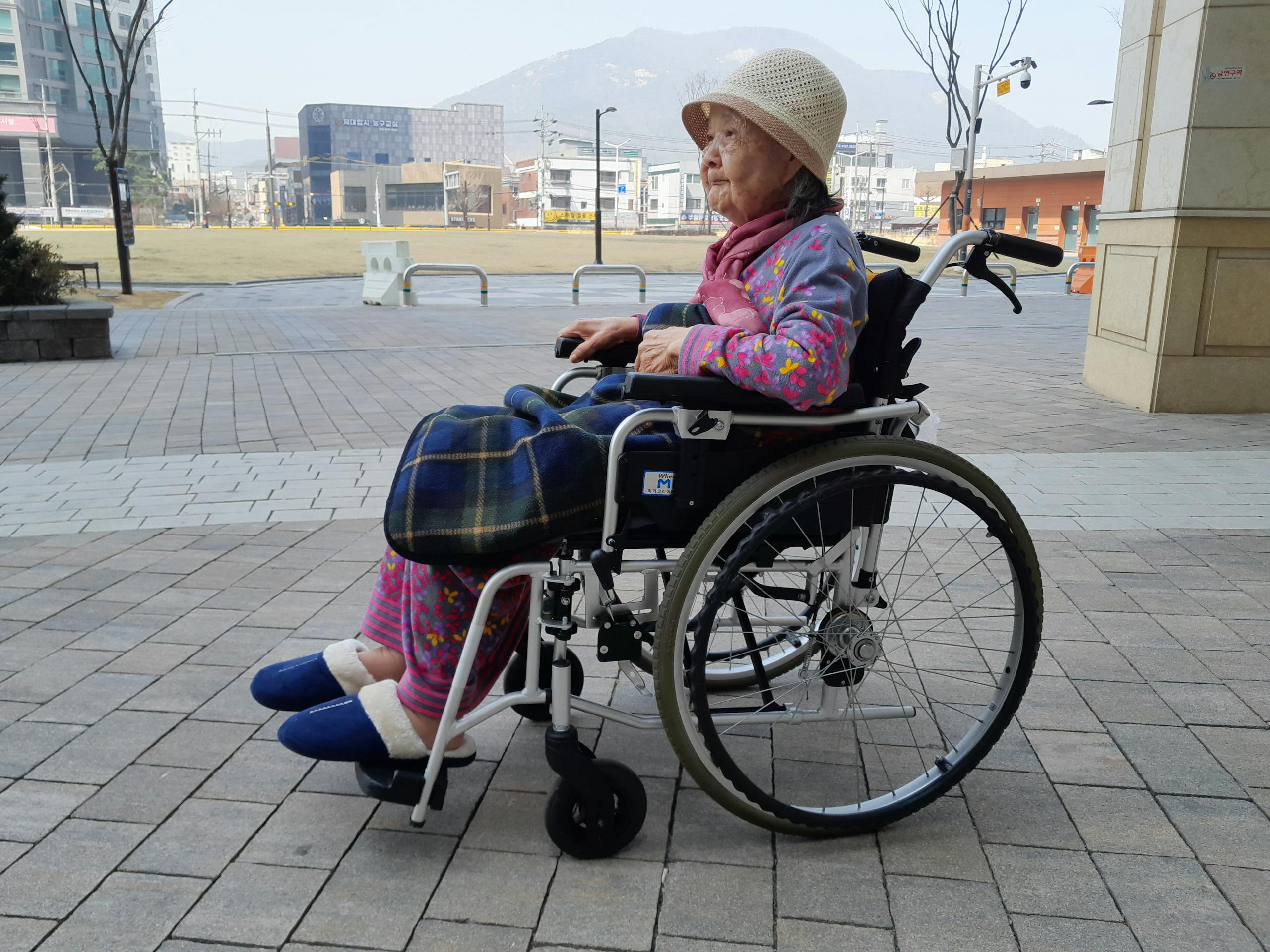
Antipsychotic medications, some of the most powerful and high-risk sedatives used in medicine, are being prescribed to older adults in the United States at sharply increasing rates. This trend is raising serious concerns among researchers and clinicians, especially because these drugs offer limited benefits for dementia-related symptoms while carrying a known increased risk of death in seniors.
A recent research letter published in JAMA Psychiatry by researchers from Rutgers University and Columbia University closely examined prescription trends over nearly a decade. Their findings paint a troubling picture of how often antipsychotic drugs are being used in older populations, particularly among people living with dementia.
Antipsychotic Prescriptions Are Rising Fast Among Older Adults
Using a national prescription-claims database that captures more than 90% of retail pharmacy fills in the U.S., the researchers tracked antipsychotic use among adults aged 65 and older from 2015 through 2024.
The results were striking. Over this period, the annual rate of any antipsychotic use rose by nearly 52%, increasing from 2.67 prescriptions per 100 older adults in 2015 to 4.05 per 100 in 2024.
Even more concerning was the rise in long-term use, defined as taking antipsychotic medications for at least 120 days per year. Long-term use increased by 65%, reaching 2.45 per 100 older adults by 2024.
Age made a clear difference. The highest rates were seen among adults 75 years and older, where antipsychotic use rose from 3.42 per 100 to 5.12 per 100 over the same period.
Why Dementia Is Central to This Trend
Antipsychotic drugs are often used when people with dementia experience behavioral and psychological symptoms, such as agitation, aggression, wandering, hallucinations, delusions, or shouting through the night. These behaviors can be frightening, disruptive, and sometimes dangerous, both for patients and for caregivers.
Families and care facilities often feel pressured to intervene quickly when these symptoms appear. Antipsychotics can be effective at sedating patients, reducing roaming or aggressive behavior. But this calming effect comes at a significant cost.
The researchers emphasized that antipsychotics have limited proven effectiveness in older adults with dementia. Despite this, they continue to be used, often as a way to manage behaviors that are distressing to caregivers or difficult for understaffed facilities to handle.
Serious and Well-Documented Risks
Antipsychotic medications carry a black-box warning from the U.S. Food and Drug Administration, the strongest warning the agency issues. This warning states that these drugs increase the risk of death in elderly patients with dementia-related psychosis.
Beyond mortality risk, antipsychotics are associated with a long list of serious side effects, including:
- Falls and fractures
- Cardiovascular and cerebrovascular events, such as heart attacks and strokes
- Pulmonary embolism
- Sedation and reduced physical activity
- Worsening frailty
For already vulnerable older adults, especially those with dementia, these risks can quickly outweigh any short-term benefits.
Prescriptions Without Clear Diagnostic Context
One limitation of the study is that prescription-claims data do not include diagnoses. This means the researchers could not determine exactly why each antipsychotic was prescribed or whether it was clinically appropriate.
Antipsychotics remain essential medications for some individuals, including those with schizophrenia, bipolar disorder with psychosis, or other severe psychiatric illnesses. However, these conditions are relatively uncommon in older populations.
The researchers noted that such diagnoses are unlikely to explain the large and growing number of antipsychotic prescriptions seen in seniors. This strongly suggests that much of the increase is tied to off-label use for dementia-related behaviors.
A Shift in Who Is Prescribing These Drugs
Another important finding involved who is managing antipsychotic treatment.
Among older adults who received an antipsychotic prescription in a given year:
- The share with at least one prescription from a psychiatrist dropped from 30% in 2015 to 20% in 2024
- The share who filled prescriptions through a long-term care facility pharmacy rose from 14% to 21%
This shift matters. Psychiatrist involvement often includes careful evaluation, confirmation of diagnosis, and consideration of alternative explanations for behavioral symptoms. Without that level of assessment, medications may be prescribed too quickly.
Why Non-Drug Approaches Are Being Overlooked
Experts emphasize that behavioral symptoms in dementia often have treatable underlying causes, such as:
- Medication interactions
- Infections
- Depression
- Unmanaged pain
- Environmental stressors
Addressing these issues takes time, training, and adequate staffing, all of which are in short supply in many nursing homes and assisted living facilities.
Nonpharmacological interventions, such as structured routines, environmental adjustments, caregiver training, and personalized activities, can be effective. However, they require sustained effort. In comparison, writing a prescription is often the fastest and easiest option, especially in facilities facing chronic staff shortages.
One Small but Encouraging Sign
The study did identify one potentially positive trend. The use of first-generation antipsychotics, which are associated with a higher mortality risk in older adults compared to newer drugs, declined from 22% to 14% over the study period.
This suggests that clinicians may be moving toward second-generation antipsychotics, which are generally considered somewhat safer, though still far from risk-free.
Why This Trend Matters Beyond Dementia Care
The continued rise in antipsychotic use reflects a broader issue in elder care: a system increasingly relying on medication to solve problems that are social, environmental, and structural in nature.
Sedating patients may make care easier in the short term, but it can reduce mobility, increase fall risk, and diminish quality of life. Long-term use also raises ethical questions about autonomy and informed consent, particularly for patients who cannot advocate for themselves.
What Families Should Ask
For families facing a new antipsychotic prescription, experts recommend asking clear and direct questions:
- What specific problem is this medication meant to treat?
- What non-drug approaches have already been tried?
- Is there a plan to reassess, taper, and stop the medication once a crisis has passed?
These questions can help ensure that antipsychotics are used only when truly necessary and for the shortest possible time.
Understanding Antipsychotics in Simple Terms
Antipsychotics were originally developed to treat severe mental illnesses involving psychosis, such as schizophrenia. They work by altering brain chemicals like dopamine. In older adults, especially those with dementia, these changes can have unpredictable and dangerous effects, making cautious use essential.
Final Thoughts
The rising use of antipsychotic medications among seniors highlights a growing tension in healthcare: balancing safety, compassion, and practicality in the care of vulnerable populations. While these drugs may sometimes be necessary, the evidence strongly suggests they are being used too often, for too long, and without enough oversight.
Addressing this issue will require better staffing, more training, and greater investment in non-drug approaches that respect both the safety and dignity of older adults.
Research paper reference:
https://jamanetwork.com/journals/jamapsychiatry/fullarticle/10.1001/jamapsychiatry.2025.3658