Why Risky Health Habits Increased After the 2011 Japan Earthquake and Tsunami
When a large-scale research project began in the coastal city of Iwanuma, Japan, in 2010, its goal was fairly straightforward: to understand the predictors of healthy aging. The study, led by social epidemiologist Ichiro Kawachi, was designed as a long-term cohort tracking people’s health, lifestyle habits, and social conditions as they grew older. No one involved could have predicted that just months later, the project would turn into one of the most important real-world studies on how humans respond to sudden disaster and loss.
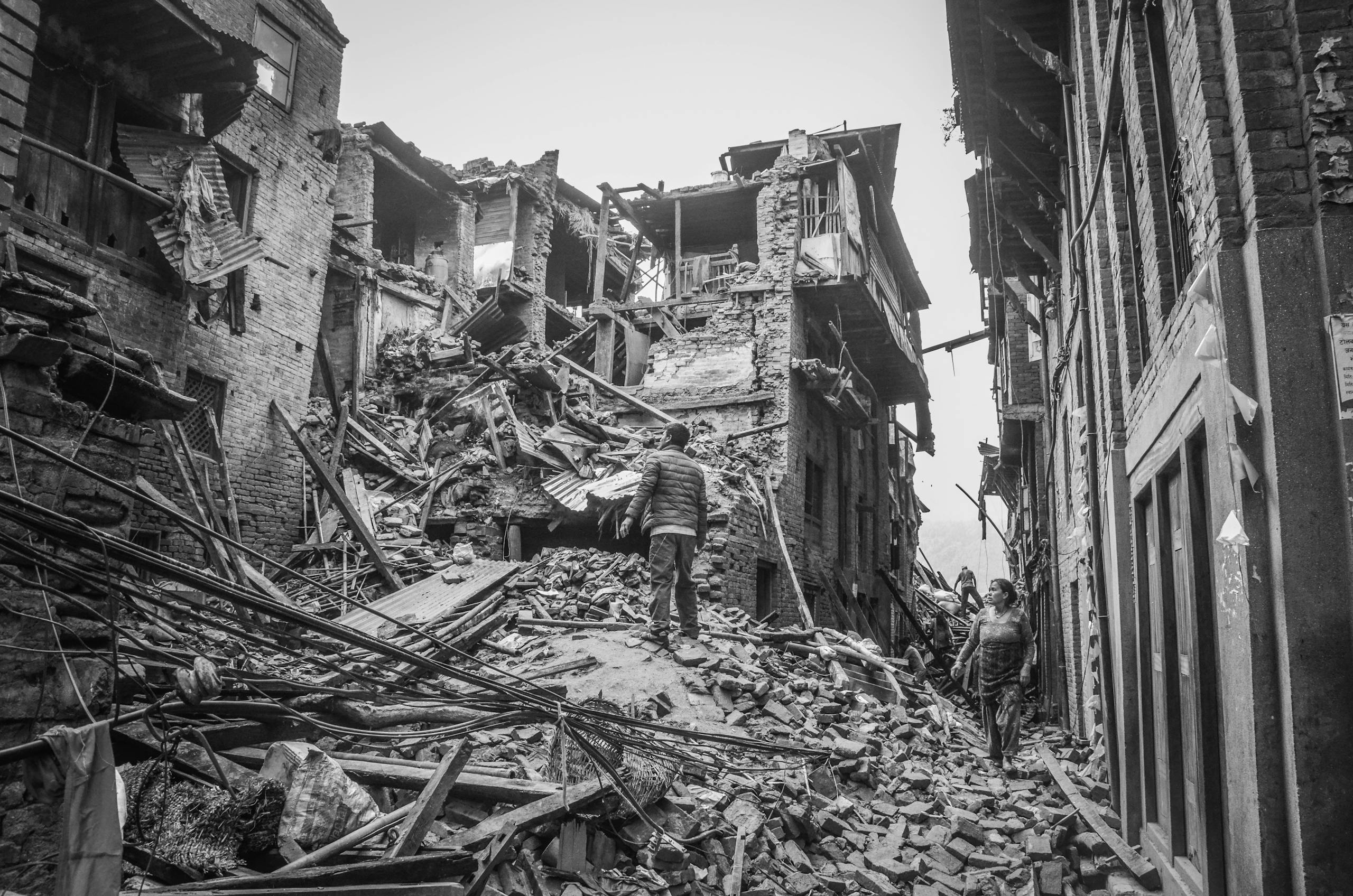
In March 2011, a magnitude 9.1 earthquake, one of the strongest ever recorded globally since 1900, struck off Japan’s northeastern coast. The quake triggered a massive tsunami that devastated coastal communities, destroyed homes, displaced thousands, and claimed many lives. Iwanuma, located roughly 50 miles from the epicenter, was among the hardest-hit areas. Entire neighborhoods were wiped out, while others suffered partial damage, creating an unusual and tragic contrast within the same city blocks.
Because researchers had already collected pre-disaster data, the study effectively became a natural experiment. For the first time, scientists could clearly compare people’s health behaviors before and after a major disaster, rather than relying on memory or retrospective reports.
Health Changes After Housing Loss
The findings, published in Communications Psychology, revealed a clear pattern: people who experienced housing damage or total home loss showed marked declines in physical health over time. One of the most striking changes was a sharp increase in overweight and obesity. Before the earthquake, about 25% of participants fell into these categories. Among those who lost their homes, that number rose to 35%, while rates remained largely unchanged for people whose housing was not damaged.
Alongside weight gain, researchers observed a rise in metabolic syndrome, a cluster of conditions that includes high blood pressure, elevated blood sugar, abnormal cholesterol levels, and increased abdominal fat. These factors significantly raise the risk of cardiovascular disease, stroke, and type 2 diabetes.
Behavioral changes followed a similar pattern. Alcohol consumption and smoking increased notably among individuals whose homes were severely damaged. These trends align with what epidemiologists have seen in other disaster settings, where survivors often turn to short-term coping behaviors that carry long-term health costs.
What Makes This Study Different
While it has long been known that disasters can push people toward unhealthy habits, this research went a step further by identifying a specific psychological mechanism driving these changes. The key concept is something known as present bias, also referred to as hyperbolic discounting.
Present bias describes the tendency to favor immediate rewards over larger, delayed benefits, even when waiting would clearly be the better choice. In everyday terms, it explains why someone might choose comfort food, alcohol, or cigarettes today, despite knowing these choices can harm future health.
The researchers argue that scarcity and loss, especially sudden asset loss like housing destruction, intensify present bias. When people feel uncertain about the future, their mental focus narrows to the present moment. Long-term planning becomes harder, and behaviors that offer quick relief become more appealing.
How the Research Was Conducted
The main analysis focused on 337 participants from Iwanuma who lived in areas where levels of housing damage varied dramatically, sometimes from one block to the next. This variation allowed researchers to isolate the effects of asset loss more precisely. Participants were assessed roughly three years after the disaster, with an additional round of data collected in 2017, providing long-term insight.
To test whether present bias was truly at work, the team used a simplified delayed gratification experiment. Participants were asked to choose between receiving a smaller amount of money immediately or a larger amount at a later date. By analyzing these choices across different scenarios, researchers could calculate each person’s internal discount rate, essentially measuring how strongly they favored the present over the future.
The results showed a clear dose-response relationship. The greater the housing damage someone experienced, the stronger their present bias became. This shift directly correlated with higher rates of unhealthy behaviors.
Evidence Beyond Japan
To strengthen their findings, the researchers examined a second, independent sample of 187 disaster survivors from a village south of Manila in the Philippines. This community had been affected by severe flooding caused by torrential rains and typhoon-like conditions in 2012.
Despite cultural and geographic differences, the pattern was remarkably similar. Survivors who experienced asset loss showed worsening dietary habits, increased rates of hypertension, and more metabolic health problems. Importantly, both unhealthy behaviors and heightened present bias persisted years after the disaster, reinforcing the idea that these changes are not short-lived reactions.
Risk-Taking vs. Delayed Gratification
One particularly interesting finding was what did not change. The study found no evidence that disaster survivors became more tolerant of risk in general. Instead, the shift was very specific to intertemporal decision-making, or choices involving trade-offs between now and later.
This distinction matters. It suggests that disaster survivors are not recklessly seeking danger. Rather, they struggle with behaviors that require short-term sacrifice for long-term gain, such as exercising regularly, eating well, sleeping enough, or moderating alcohol intake.
Broader Public Health Implications
The implications of this research extend well beyond earthquakes and tsunamis. Large-scale crises often involve widespread scarcity and uncertainty, whether from natural disasters, economic collapse, or public health emergencies.
During the COVID-19 pandemic, for example, many countries experienced spikes in alcohol-related liver disease, opioid overdoses, and other harmful behaviors. While disruptions in healthcare access played a role, this research suggests that scarcity-induced present bias may also have contributed at a population level.
Understanding this mechanism opens new doors for public health interventions. Rather than simply urging people to make better choices, policies could focus on reducing scarcity, restoring stability, and providing immediate support, making it easier for individuals to think beyond the present moment.
Why This Research Matters
This study stands out because it combines longitudinal data, psychological testing, and real-world disaster exposure. It shows that the effects of disaster are not only physical or emotional but deeply tied to how people make decisions about their future.
By identifying present bias as a key driver of post-disaster health decline, the research provides a clearer target for prevention and recovery strategies. Helping survivors regain a sense of security may be just as important as rebuilding roads and homes.
As climate change increases the frequency and severity of natural disasters worldwide, insights like these will become even more crucial for protecting long-term public health.
Research paper: https://doi.org/10.1038/s44271-025-00344-0