Small Money Habits That Make a Huge Difference
Most people think getting better with money means making some huge, dramatic change. Earn a lot more. Cut out everything fun. Build the perfect budget overnight. I used to think that too, and honestly, it made money feel exhausting before I even started. But what I’ve seen again and again is that real financial progress usually comes from small habits you can actually stick with.
That’s what makes this topic so powerful. Tiny decisions—checking your balance before you spend, waiting a day before buying something random, moving a little money into savings without thinking about it—can completely change the way your finances feel over time. They work because they’re repeatable. And repeatable beats impressive almost every time.
The best part is that these habits don’t just help you save money. They help you feel more aware, less stressed, and more in control. And for a lot of us, that’s where the real difference begins.
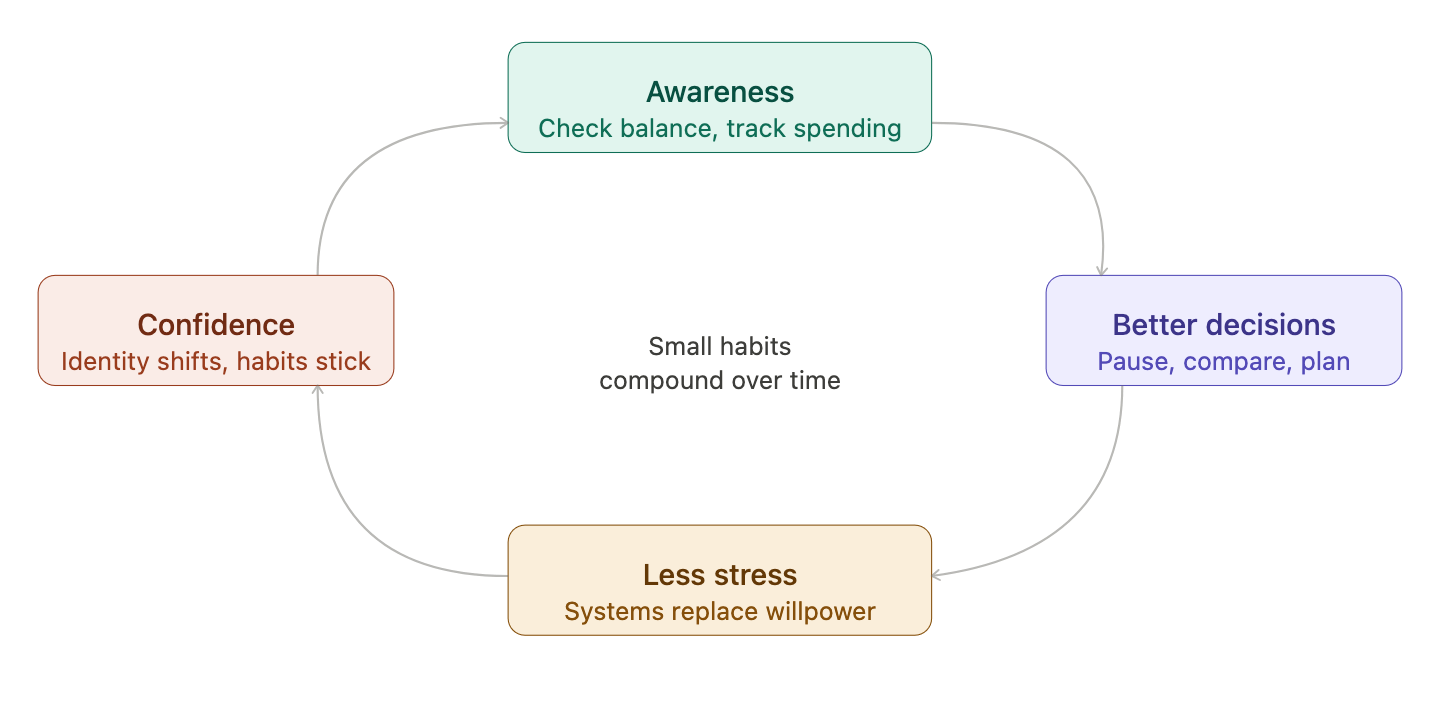
The Everyday Habits That Strengthen Your Finances
Awareness is where better money decisions start
If I had to point to one habit that improves your finances faster than people expect, it’s simple: pay attention to your money more often. Not in a stressful, obsessive way. Just in a regular, honest, everyday way.
A lot of money problems don’t start because someone is reckless. They start because it’s easy to drift. You swipe your card a few extra times, forget about an auto-renewal, grab takeout because you’re tired, and suddenly your account looks way different than you expected. That’s why awareness matters so much. When you know what’s happening, you can respond early instead of cleaning up a mess later.
For example, checking your bank balance every morning sounds almost too basic to matter, but it really does. It keeps your spending grounded in reality. If you see that your utility bill already cleared and your paycheck is still three days away, you’re a lot less likely to say yes to a casual $60 Target run that somehow turns into $112. I think this is one of those habits that looks tiny from the outside but changes your behavior quietly in the background.
And that’s really the theme here: small habits work because they interrupt autopilot.
Tracking spending teaches you more than budgeting alone
A lot of people jump straight into budgeting, but I actually think tracking your spending is the better place to begin. A budget is a plan. Tracking shows you what’s real. And wow, those two things are not always the same.
I’ve had months where I thought I was “doing pretty well,” and then I looked at my transactions and realized I’d spent way more on coffee shops, convenience purchases, and random delivery fees than I would’ve guessed. Not because I’m terrible with money. Just because little expenses are sneaky.
That’s why writing down what you spend—or using an app that categorizes it—can be so eye-opening. You start seeing patterns you were missing before. Maybe you spend the most money when you’re bored. Maybe weekends are your danger zone. Maybe your grocery bill looks reasonable until you notice how many extra trips you’re making during the week for “just one thing.”
Here’s a simple example. Let’s say someone spends:
- $6 on coffee three times a week
- $18 on lunch twice a week
- $25 on impulse Amazon purchases once a week
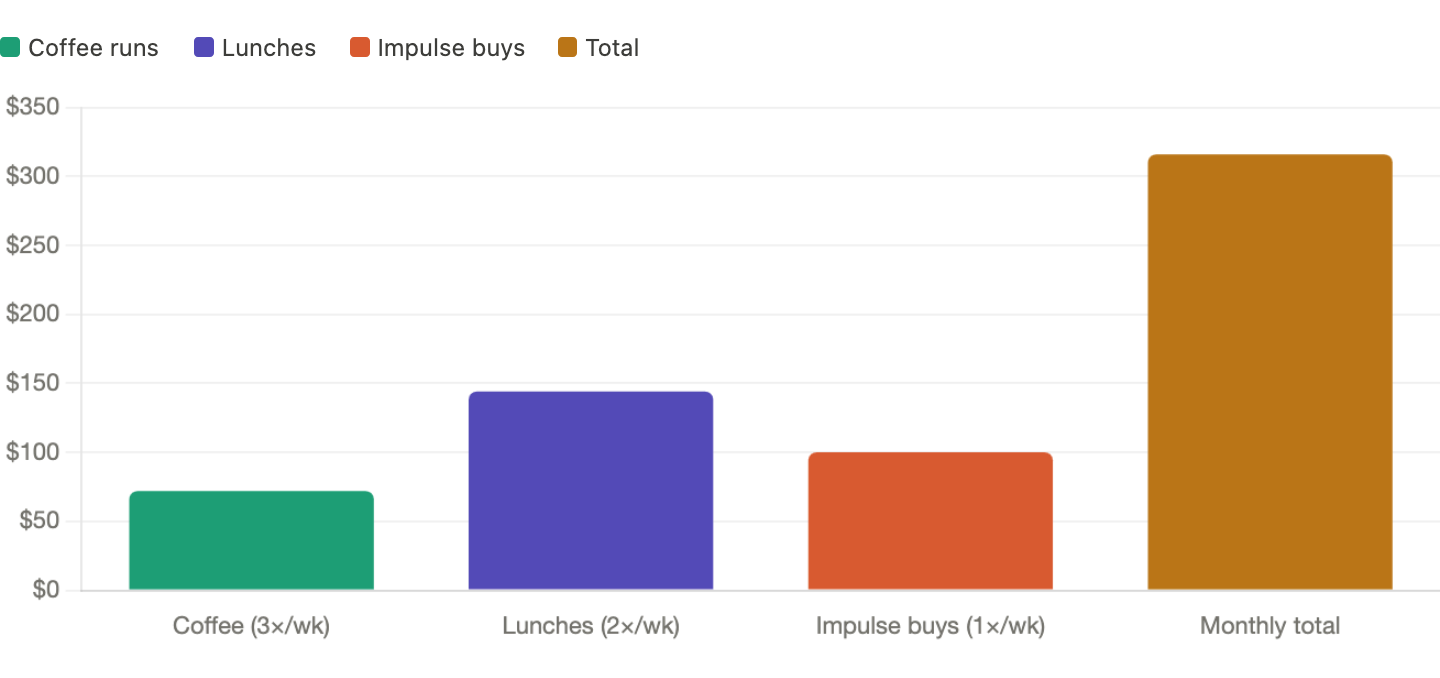
That doesn’t feel outrageous in the moment. But over a month, that adds up fast. And once you see it clearly, you can make smarter adjustments without feeling deprived. Maybe you keep the Friday lunch because it makes work feel easier, but cut one coffee run and one impulse buy. That’s realistic. That’s sustainable. And that’s how habits actually last.
The pause before buying is more powerful than people realize
One of my favorite money habits is the pause. Before I buy something that isn’t necessary, I wait. Sometimes it’s 24 hours. Sometimes it’s just enough time to ask, “Do I want this, or did I just get pulled in by the moment?”
That little pause matters because so much spending is emotional, not practical. We buy things when we’re tired, annoyed, excited, insecure, or trying to reward ourselves after a long day. I’m not saying every emotional purchase is bad. We’re human. But it helps to notice what’s going on.
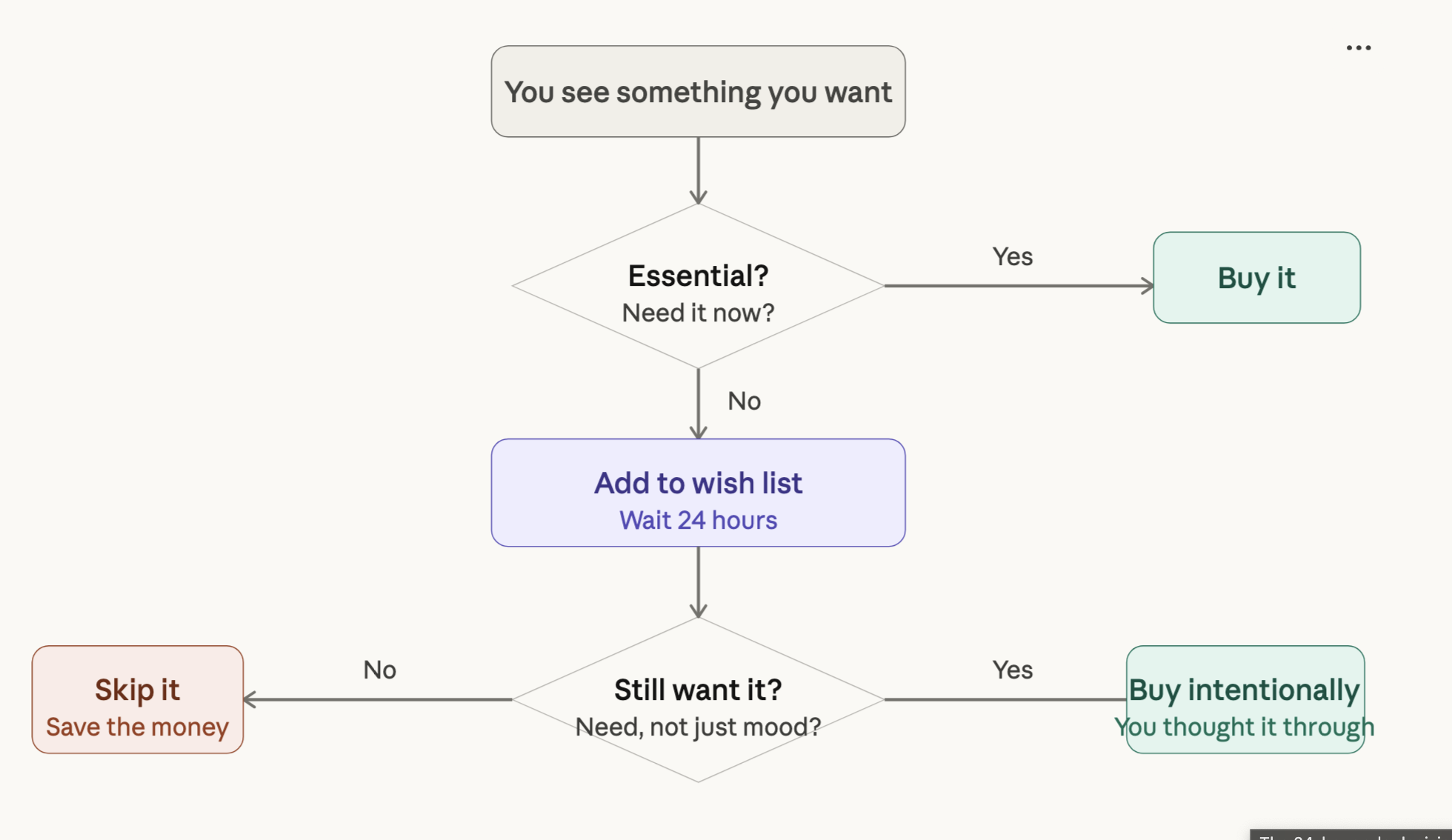
Let’s say you see a $48 skin care set online. It’s marketed as a “limited-time bundle,” which is basically designed to make you panic-buy. In the moment, it feels smart because it’s on sale. But if you already have products at home and weren’t planning to buy it yesterday, the pause gives your brain time to catch up. By the next day, you might realize you don’t even want it that much.
This habit is helpful because it separates wanting something from wanting the feeling of buying something. That’s a big difference, and once you notice it, you start making much sharper choices.
Small routines reduce stress because they remove guesswork
I think one of the most underrated benefits of money habits is emotional. Good habits don’t just help your bank account. They reduce the constant background stress that comes from not knowing where you stand.
For instance, paying bills on the same day each month can make money feel much calmer. Setting up automatic savings—even if it’s just $15 a week—means you’re building something without needing motivation every single time. Reviewing subscriptions once a month helps you catch the annoying stuff that slips through, like the app you meant to cancel two months ago or the streaming service you barely use.
These routines matter because they take decisions that used to depend on memory, energy, or willpower and turn them into systems. And systems are easier to trust.
Think about someone who always forgets when quarterly car insurance is due. If they create a calendar reminder two weeks early and set aside a little money from each paycheck, that bill stops feeling like a financial ambush. Same bill, same income, completely different experience.
That’s a huge lesson people don’t talk about enough: money habits don’t only change the math; they change the pressure.
Consistency beats perfection every time
This part really matters, because people quit good financial habits when they think they have to do them perfectly. They miss a week of tracking spending and decide they’ve failed. They overspend one weekend and assume they’re bad with money. They forget to transfer money to savings and feel like they ruined the system.
That kind of all-or-nothing thinking is what gets in the way.
The truth is, a habit can still help you even if you do it imperfectly. Checking your spending twice a week is better than never. Saving $20 regularly is better than waiting until you can save $200. Bringing lunch from home three days a week still saves money even if you buy takeout on Friday.
I actually think the best money habits are the ones that survive real life. The ones that still work when you’re busy, distracted, or dealing with a weird month. You do not need a flawless routine. You need one that’s easy enough to return to.
And that’s why small money habits make such a huge difference. They don’t ask you to become a totally different person. They just help you make slightly better decisions, more often. Over time, that adds up in your account, in your confidence, and in the way your whole financial life feels. That’s the kind of change that lasts.
Small Money Habits You Can Start Right Away
Start with one automatic transfer, even if it feels almost too small
If there’s one habit I wish more people would stop underestimating, it’s automatic saving. People love to say, “I’ll save when I have more left over,” but for a lot of us, that extra money never just politely sits there waiting to be saved. It gets absorbed into food delivery, a few Target extras, another subscription, or some random online purchase that felt harmless in the moment.
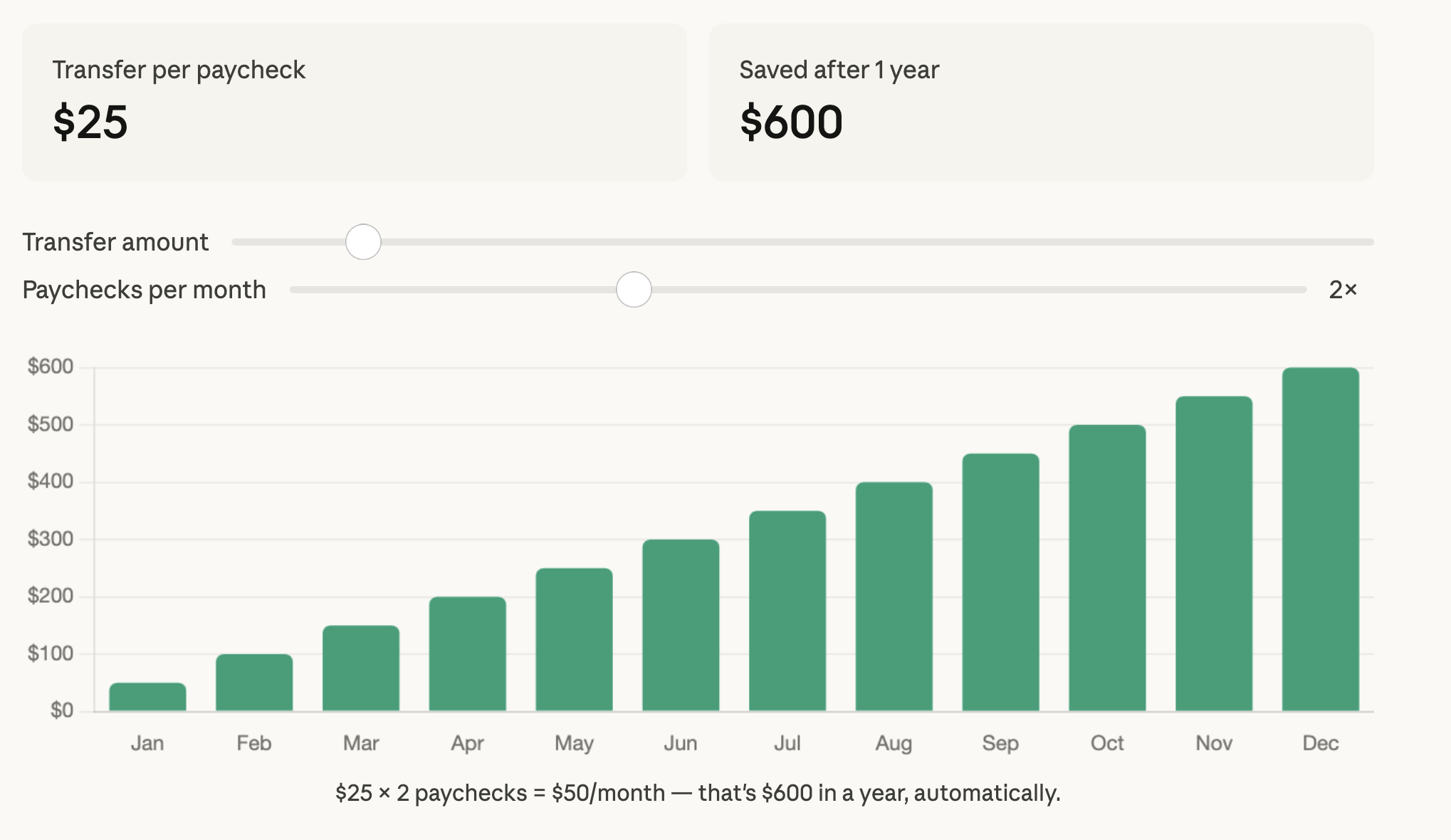
That’s why I’m a big fan of setting up a tiny automatic transfer on payday. And I really do mean tiny if that’s what works. Ten dollars. Twenty dollars. Thirty-five dollars. Whatever you can repeat. The power is in the routine, not the size of the first move.
Let’s say you transfer $25 from every paycheck into savings, and you get paid twice a month. That’s $50 a month. Not life-changing overnight, obviously. But after a year, that’s $600, and most importantly, it’s $600 you didn’t have to debate with yourself about. That money got moved before it had a chance to disappear.
I think this habit works so well because it lowers friction. You’re not depending on motivation. You’re building a system. And honestly, systems are so much kinder than willpower.
Use a 24-hour rule for non-essential purchases
I love this habit because it’s simple, a little annoying in the best way, and weirdly effective. The rule is this: if something isn’t essential, wait 24 hours before buying it.
That pause creates space between the urge and the action. And wow, that space matters. A lot of spending isn’t really about the item itself. It’s about mood, boredom, stress, or that quick burst of excitement you get from clicking “buy now.”
Here’s a real-life kind of example. You see a pair of sneakers online for $89. They’re on sale. The website says “Only a few left,” which honestly should win an award for dramatic manipulation. In the moment, it feels urgent. But if you wait a day, one of two things usually happens. Either you still want them and can buy them more confidently, or the feeling fades and you realize you were caught up in the rush, not the need.
That’s what makes this habit useful. It helps you tell the difference between a thoughtful purchase and a reactive one. And that one distinction can save you a surprising amount of money over a year.
Give every impulse a place to go
One thing that helps me a lot is keeping a wish list instead of buying things immediately. This sounds almost silly until you try it. When I see something I want, I don’t tell myself no right away. I put it on a list in my phone and come back to it later.
That tiny act does two helpful things. First, it slows me down. Second, it lets me see patterns. Sometimes I look back at the list and think, “Wait, I wanted that? I don’t even remember why.” Other times, something stays on the list for weeks, and that tells me I probably do value it.
This works especially well for online shopping because the internet is built to make us feel like every purchase is urgent and identity-defining. Suddenly a new kitchen gadget isn’t just a gadget, it’s the promise of becoming a better organized person with a perfect breakfast routine. I mean, come on. We’ve all been there.
When you use a wish list, you keep the option open without spending on the spot. That helps you buy with intention instead of momentum.
Put guardrails around your weak spots
Most of us have predictable spending traps. Mine might not be yours, and yours might not be your friend’s. That’s why generic advice can feel kind of useless. You need to know where your money tends to leak.
For some people, it’s takeout on busy weekdays. For others, it’s late-night scrolling and impulse purchases. For someone else, it’s warehouse-store shopping where “saving money” somehow turns into spending $240 on snacks, batteries, and patio string lights.
Once you know your weak spots, build a small guardrail. Not a punishment. A guardrail.
If takeout is your issue, maybe you keep two backup freezer meals at home so tired-you has an easier option. If online shopping gets you, maybe you delete saved payment info so buying takes an extra step. If grocery overspending is the problem, maybe you shop with a list and a rough budget before you walk in.
These habits work because they respect reality. You’re not pretending you’ll suddenly become a person with zero temptations. You’re making temptation a little less easy to act on. That’s smart, not restrictive.
Review subscriptions once a month
This is one of those habits that feels boring but pays off fast. Subscriptions are sneaky because each one looks small on its own. Ten dollars here. Twelve there. A premium upgrade you forgot about. A free trial that very much did not stay free.
Then one day you look up and realize you’re paying for a meditation app you haven’t opened in four months, a streaming service you only use for one show, and a meal-planning tool that seemed promising when you were feeling productive on a Sunday.
A monthly subscription check takes maybe ten minutes, and it can save you from a lot of passive spending. I like this habit because it’s practical and honest. It asks, “Am I still using this enough to justify the cost?” That’s it.
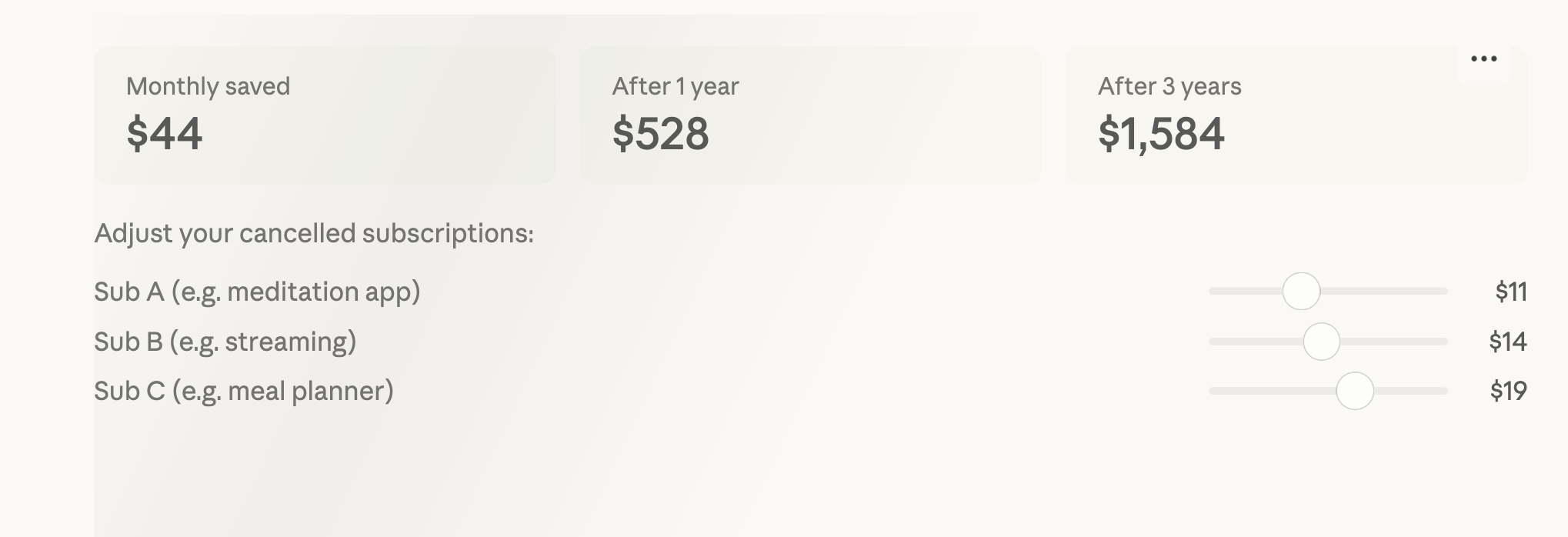
Say you cancel three subscriptions worth $11, $14, and $19 a month. That’s $44 monthly. Over a year, that’s more than $500. And nothing dramatic had to happen. You just stopped paying for stuff that no longer earned a place in your budget.
That’s a perfect example of how small maintenance habits create big financial breathing room.
Make everyday savings visible
I think people stick with money habits more when they can actually see their progress. Otherwise, saving can feel abstract and kind of unrewarding. You skip something, make a better choice, and then… nothing happens emotionally. No fireworks. No parade. Just a quieter bank account.
So I like making progress visible. That could mean having a separate savings account labeled “Emergency Fund” or “Summer Travel.” It could mean using a simple tracker on your phone. It could even mean keeping a note where you add up every unnecessary expense you avoided that week.
For example, if you packed lunch twice, skipped one impulse buy, and canceled a subscription, write it down. Maybe that saved you $42 that week. Seeing that number matters. It turns invisible discipline into something real.
And honestly, visibility also helps with motivation. Saving for “the future” can feel vague. Saving for “car repairs,” “holiday gifts,” or “not panicking when life gets weird” feels a lot more immediate.
Focus on habits that make recovery easier
This one matters a lot, because life is never perfectly predictable. The goal isn’t to create a money life where nothing goes wrong. The goal is to build habits that help you recover faster when it does.
That might mean keeping a small cash buffer in checking so one surprise expense doesn’t trigger overdraft fees. It might mean paying your credit card on time every month so you avoid interest and protect your credit. It might mean checking your balance before the weekend so you don’t accidentally overspend and spend the next five days stressed out.
These aren’t flashy habits. Nobody posts about them like they’ve unlocked some glamorous financial secret. But they matter because they reduce the damage when real life happens.
And that’s what I keep coming back to: the best money habits aren’t the ones that look impressive from the outside. They’re the ones that quietly make your life easier, steadier, and less expensive over time. Start with one or two. Keep them simple. Let them become normal. That’s how you build real change without making money feel like a full-time job.
How These Habits Create Big Long-Term Results
Small choices compound, even when they don’t feel dramatic
This is the part people usually know in theory but don’t always feel in real life: small financial habits add up because they compound. Not just mathematically, but behaviorally too.
The math part is easier to explain. If you save a little consistently, avoid late fees, cut recurring waste, and reduce impulsive spending, you keep more money over time. That part makes sense.
But the behavior part is where things get really interesting. When you practice one good money habit, it tends to make the next good choice easier. You notice your balance more often, so you hesitate before overspending. You track your purchases, so you catch patterns earlier. You build a small emergency cushion, so an unexpected bill doesn’t throw you into panic mode. That lower stress helps you make calmer decisions. And calmer decisions usually cost less.
I’ve seen this happen in a really ordinary way with people who start by saving just a little. At first, the amount seems almost laughably small. But then a car battery dies or a copay shows up or a school expense lands out of nowhere, and that little savings account covers it. Suddenly they’re not putting the charge on a credit card and paying interest for months. That’s where the ripple effect kicks in.
A small habit today can block a much bigger problem tomorrow.
Better habits reduce expensive mistakes
One thing I don’t think gets enough attention is this: good money habits don’t only help you build wealth. They also help you avoid losses.
And avoiding losses is huge.
A lot of financial stress comes from preventable mistakes. Missing a payment. Letting an account dip too low. Forgetting to cancel a trial. Buying stuff you didn’t really need. Paying convenience fees because you waited too long. These things can feel minor one at a time, but together they can quietly drain hundreds or even thousands of dollars a year.
For example, imagine someone who gets charged:
- two $35 overdraft fees in a month
- one $30 late fee on a credit card
- about $50 in random subscription charges they forgot about
- interest on a carried balance they could’ve avoided
Now we’re already looking at money lost that didn’t improve their life at all. That’s the painful part. It’s not like that money bought peace, joy, or something useful. It just disappeared.
Habits like checking your account, automating payments, reviewing charges, and keeping a small buffer don’t sound exciting, but they protect you from exactly this kind of drain. And once you stop losing money to preventable mistakes, your budget starts working a lot harder for you.
Less stress leads to better decisions
I really believe this is one of the most life-changing parts of improving your money habits. When your finances feel chaotic, every choice feels heavier. You second-guess everything. You avoid looking at your account because you’re scared of what you’ll see. You make decisions from urgency instead of clarity.
But when you have a few solid habits in place, even small ones, your nervous system gets a break. That might sound dramatic, but it’s true. There’s a real difference between “I have no idea where I stand” and “I know what’s in my account, my bills are covered, and I’ve got a little cushion.”
That shift changes behavior.
A person under constant money stress is more likely to make reactive choices. They might use a credit card for something they could’ve planned for, ignore bills until they become more expensive, or spend emotionally because they’re overwhelmed and just want relief. I’m not judging that at all. It happens. But habits can interrupt the cycle.
Let’s say someone starts doing three things: checking their balance every other day, transferring $20 a week into savings, and using a 24-hour pause before non-essential purchases. Those habits won’t make them rich in a month. But they will make money feel less blurry. And once money feels less blurry, better decisions start showing up more naturally.
That’s one of the biggest lessons here: financial progress isn’t only about dollars. It’s also about reducing panic and building trust in yourself.
Small habits build confidence, and confidence changes everything
Confidence with money doesn’t usually come from one giant breakthrough. It comes from keeping little promises to yourself over and over.
You said you’d check your spending, and you did. You said you’d wait before buying something, and you did. You said you’d save a little from each paycheck, and you did. Those actions might seem small from the outside, but internally, they matter a lot. They start changing the story you tell yourself.
Instead of “I’m just bad with money,” it becomes, “Actually, I’m getting better at this.”
That mindset shift is powerful because shame makes people avoid their finances, but confidence makes them engage. And once you start engaging, you notice opportunities you used to miss. You compare insurance rates. You ask for a better phone plan. You realize your grocery routine could use some work. You start reading the fine print before signing up for things. That curiosity pays off.
I think this is why small habits are so underrated. They don’t just improve your bank account. They improve your identity. And once you start seeing yourself as someone who can handle money thoughtfully, your choices begin to reflect that.
Over time, these habits create freedom
When people hear the word freedom in a money conversation, they often picture huge wealth. But financial freedom can start much smaller than that.
It can mean being able to cover an unexpected bill without spiraling. It can mean not dreading your rent payment every month. It can mean having enough saved to take time off, replace a broken appliance, or say no to something that doesn’t fit your budget. It can mean fewer arguments at home because money feels less tense.
That kind of freedom usually doesn’t arrive all at once. It builds slowly, from repeated choices that don’t look dramatic in the moment.
For example, let’s say someone cuts $150 a month in unnecessary spending by being a little more intentional. That might come from fewer impulse purchases, canceled subscriptions, lower food waste, and fewer convenience fees. If they redirect even most of that into savings or debt payoff, the long-term effect is real. In a year, that’s $1,800. In a few years, it can become an emergency fund, a paid-off balance, or breathing room that changes daily life.
That’s the thing I find most encouraging: you do not need a perfect financial life to start feeling more free. You just need enough good habits to create momentum.
Progress matters more than intensity
I think a lot of people get stuck because they assume money improvement has to feel intense. Like they need a color-coded budget binder, a no-spend month, an extreme meal-prep routine, and the discipline of a Navy SEAL. And sure, if that genuinely works for someone, great. But for most people, that approach burns out fast.
What lasts is usually much simpler.
Check in with your money regularly. Automate one smart move. Pause before buying stuff you don’t need. Keep your systems easy enough to repeat on a normal Tuesday when you’re tired and not especially inspired.
That’s why these habits create big long-term results. They fit into real life. They survive messy weeks and human moods. They don’t require perfection to work. And because they’re repeatable, they keep adding value long after the excitement of a big financial reset wears off.
In the end, the magic is not really magic at all. It’s repetition. It’s awareness. It’s those steady little choices that say, again and again, “I’m paying attention now.” And honestly, that can change a lot.
Before You Leave
If there’s one thing I hope sticks with you, it’s this: small money habits are powerful because they’re doable. You don’t need to overhaul your whole life this week. You don’t need to become ultra-frugal. And you definitely don’t need to wait until you make more money to start being more intentional with what you already have.
Pick one habit that feels manageable and start there. Not the most impressive one. The one you’ll actually keep. That’s usually the habit that ends up making the biggest difference.
