Forensic Anthropology in the US Still Lacks Clear Standards for Case Reporting, New Study Finds
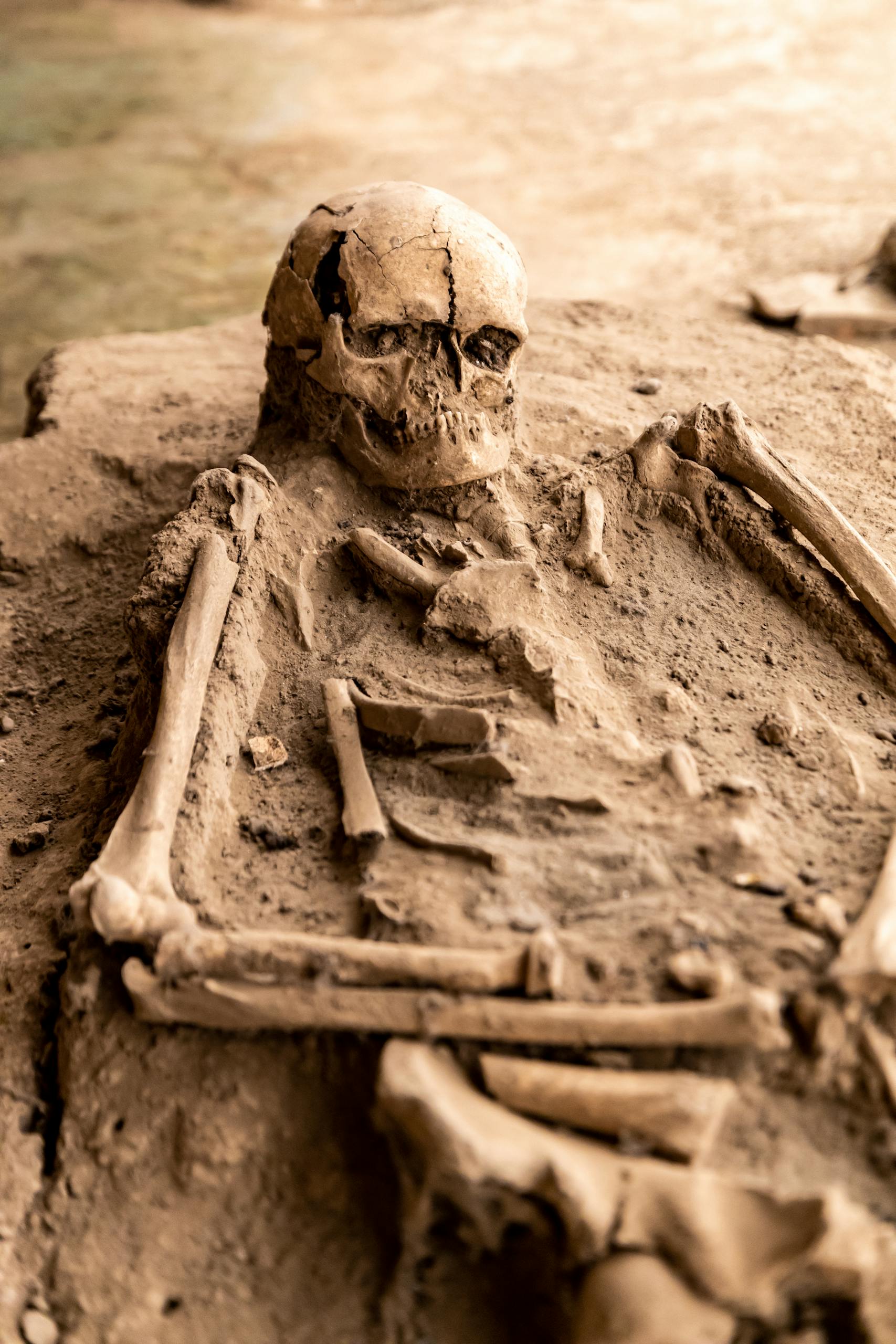
Forensic anthropology plays a crucial role in the justice system, especially when cases involve skeletal or heavily decomposed human remains. These specialists help law enforcement and medical examiners answer essential questions: Who was this person? How did they die? What happened to their body after death? Despite the seriousness of this work and its frequent appearance in courtrooms, a new study reveals a surprising reality — forensic anthropology case reporting in the United States is still largely not standardized.
Researchers from the Boston University Chobanian & Avedisian School of Medicine have published a detailed study examining how forensic anthropologists analyze cases and write reports. Their findings suggest that, while there is some informal agreement in certain areas of the field, there is no universally enforced or clearly defined standard that applies across workplaces, training backgrounds, or case types. This lack of consistency may have serious implications for both professional credibility and legal outcomes.
What Forensic Anthropologists Actually Do
Forensic anthropology focuses on the analysis of human remains in medico-legal contexts. When remains are skeletonized or too decomposed for traditional autopsy methods, forensic anthropologists step in. Their reports often include information related to:
- Biological profiles such as age, sex, ancestry, and stature
- Evidence of trauma or disease visible on bones
- Taphonomic changes, meaning what happened to the body after death, such as decomposition, burning, burial, or scavenging
- Findings that may support determinations of cause or manner of death
- Comparisons between antemortem and postmortem records, including X-rays
Because these reports are frequently used in criminal investigations and courtroom testimony, clarity, consistency, and transparency are essential.
The Core Problem: No Universal Standard
According to the study, the United States currently lacks a unifying standard for forensic anthropological case reporting. Existing “best practice” guidelines are often broad and vague, offering little direction on specific methods, terminology, or reporting structure. As a result, two forensic anthropologists analyzing similar cases may produce reports that look very different from one another.
The researchers found that this variability exists regardless of where practitioners work — whether in academia, government laboratories, medical examiner or coroner offices, or humanitarian settings. Education level, training pathways, and access to peer review also vary widely, further contributing to inconsistency.
Inside the Survey That Revealed the Divide
To better understand how widespread the issue is, the researchers conducted a nationwide survey of forensic anthropologists who have experience writing case reports. The survey was distributed through professional email lists and the social media platform X, targeting individuals actively working in the field.
The results were revealing:
- 71.3 percent of respondents agreed that standardization in forensic anthropology reporting is important
- At the same time, many respondents expressed concern that the field’s diversity makes universal standards difficult to implement
- In several key questions, responses were split almost evenly, revealing deep disagreements within the profession
These near fifty-fifty splits were particularly striking in areas such as professional objectivity, minimum education requirements, and how much personal interpretation should be included in reports.
Solo Practitioners and the Peer Review Gap
One of the most concerning findings involves forensic anthropologists who work independently. The study found that 32.4 percent of respondents identify as sole practitioners. Many of these professionals consult on cases without access to formal standard operating procedures or routine peer review.
In fields tied so closely to the legal system, the absence of peer review can be problematic. Peer review helps catch errors, reduce bias, and strengthen the scientific credibility of conclusions. Without standardized expectations, some practitioners may never receive formal feedback on their work.
Education and Training Remain Highly Inconsistent
The study also highlights education and training as some of the least standardized aspects of forensic anthropology. While most practitioners receive training in osteology, there are no universally accepted minimum requirements overseen by a governing or credentialing body.
This means that forensic anthropologists may find themselves working on types of analyses they were never formally trained to perform. Examples include:
- Estimating the postmortem interval
- Interpreting trauma patterns in complex cases
- Comparing antemortem and postmortem medical imaging for identification
The researchers emphasize that while it is unrealistic to expect identical qualifications across the field, there is a noticeable lack of baseline expectations beyond basic skeletal analysis.
Why Standardization Matters in Court
Forensic anthropology does not exist in a vacuum. Reports produced by these experts are often scrutinized by attorneys, judges, and juries. When reporting practices vary widely, it can undermine expert testimony, create confusion, or open the door to legal challenges.
Standardization does not mean eliminating professional judgment. Instead, it aims to ensure that methods are clearly explained, limitations are acknowledged, and findings are presented in a consistent and transparent way. This is especially important when different experts may be asked to evaluate the same evidence.
Existing Guidelines Fall Short
While some professional organizations offer guidance, the study notes that current “best practice” documents often lack specificity. They may suggest that reports should include certain sections but stop short of defining:
- Which analytical methods should be used
- How uncertainty should be expressed
- Whether peer review is required and how it should be conducted
Without enforceable standards, these guidelines function more as suggestions than as expectations.
Signs of Progress in the Field
Despite these challenges, the researchers see this moment as an opportunity. The strong majority agreement that standardization is important suggests that the field is ready for open discussion and reform. Having concrete data that demonstrates internal disagreement may help push these conversations forward.
Standardization could help ensure that forensic anthropology remains scientifically rigorous, legally defensible, and ethically responsible — regardless of where or by whom the work is conducted.
A Broader Issue in Forensic Science
The concerns raised in this study echo wider discussions across forensic science disciplines. Many forensic fields have faced criticism in recent decades for inconsistent methods and lack of validation. Forensic anthropology’s push toward clearer standards aligns with broader efforts to strengthen forensic science as a whole.
As the justice system increasingly demands transparency and accountability, clear and enforceable standards may no longer be optional.
Final Thoughts
The study makes one thing clear: forensic anthropology in the United States is at a crossroads. While practitioners widely recognize the importance of standardization, meaningful change will require collaboration, compromise, and leadership from within the field. Establishing consistent reporting standards could protect both practitioners and the integrity of the legal process — and ultimately serve the public interest.
Research paper: https://www.mdpi.com/2673-6756/5/4/71