New Report Shows How Migration Strengthens Economies and Societies Around the World
A new data-driven report created by researchers at The Fletcher School in collaboration with the Club de Madrid is challenging the way many people think about migration. Instead of treating migration as a threat, the authors argue that it often brings major economic and social benefits to host countries—especially developed ones facing demographic and labor pressures. The project was shaped by a partnership initiated by Carlos Alvarado-Quesada, former President of Costa Rica and now Professor of the Practice of Diplomacy at Fletcher. Alongside him, Katrina Burgess, Director of the Henry J. Leir Institute and Professor of Political Economy, led a research team of four graduate students: Lorenzo Beadle, Joaquín Martínez Albán, Lauren Davis, and Govind Harish. Their goal was simple but ambitious: provide clear evidence to counter widespread misinformation about migrants.
The Club de Madrid, an international organization of former heads of state who work on global policy challenges, defined a set of key issues to explore. The Fletcher team then conducted the research, reviewed data across multiple regions, and produced the full report titled Overcoming Misinformation About Migration and Migrants: A Data-Driven Report on the Positive Impact of Migration on Economy and Social Development. According to Burgess, so much public discussion focuses on fear, security, and perceived threats that the real complexity of migration gets lost. Their findings show that, while migration can present challenges, its overall effects—especially in wealthier countries—tend to be strongly positive.
Economic Realities That Matter for Host Countries
One of the clearest examples in the report relates to the issue of jobs. Many people assume that migrants displace native-born workers, but the research points toward a different reality. In the United States, for instance, the population is aging rapidly. Birth rates remain below replacement levels, and the core working-age population is shrinking. Since 2008, nearly all net labor force growth in the U.S. has come from foreign-born workers, and that includes both undocumented workers and those entering through visa-managed channels. Without migrant labor, the country’s workforce would be far smaller—and that would directly affect economic productivity.
The authors also highlight one particularly interesting finding from earlier research: a 1% rise in migration inflows in wealthier nations tends to increase employment among native-born workers by 0.2%. This positive relationship occurs because migrants often take on roles that enable native-born workers to shift into more specialized positions. It creates a division of labor that supports greater productivity overall. Migrants also contribute to tax systems, including essential programs like Social Security, helping sustain financial structures that would otherwise face strain from aging populations.
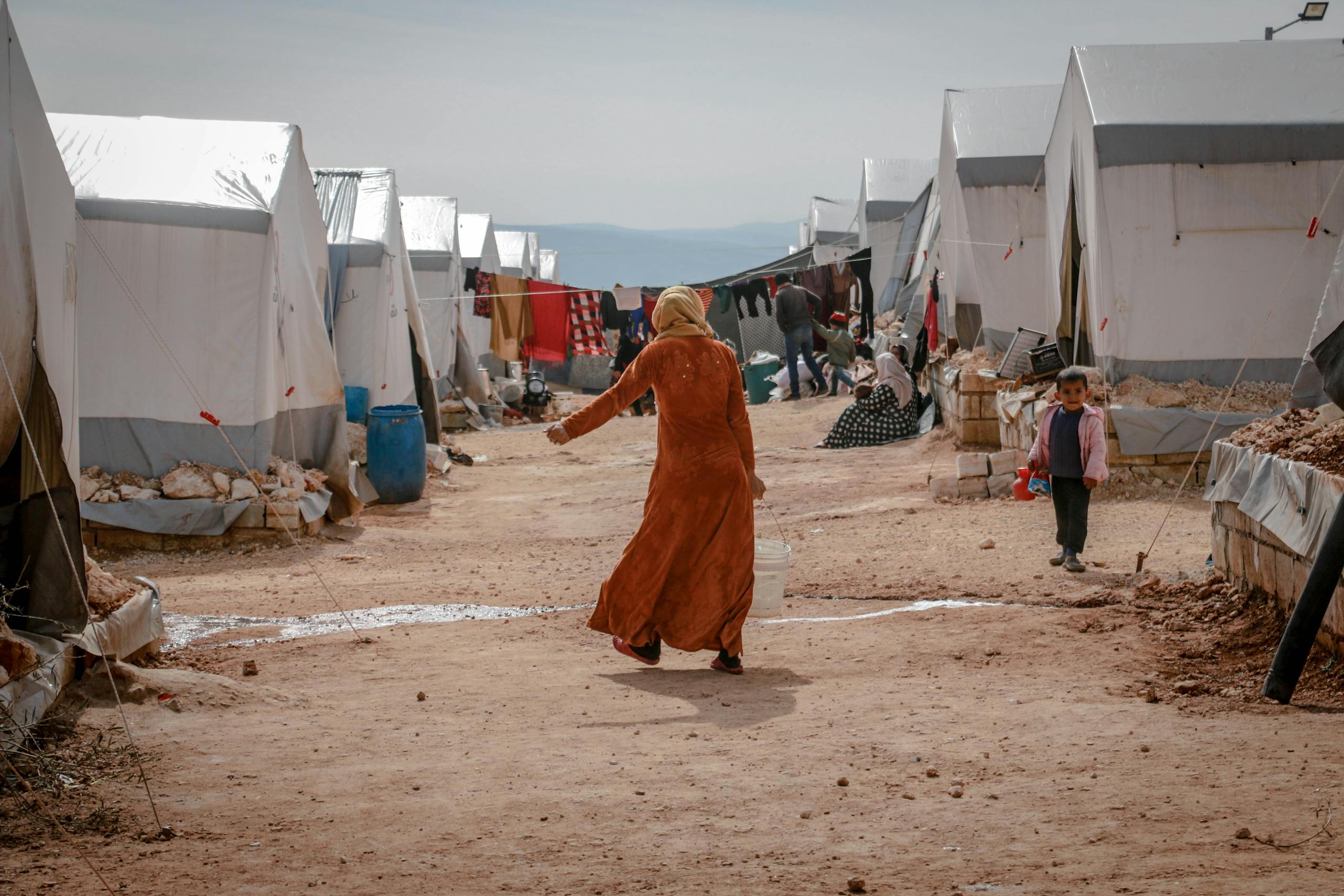
That said, the report does not claim migration is universally beneficial in every context. Countries such as Lebanon and Colombia, which experienced sudden, massive inflows of people fleeing political conflict in nearby nations, have faced significant short-term economic difficulties. The authors acknowledge these cases clearly. However, they argue that such situations differ from the structured, long-term migration patterns seen in higher-income countries. In places where governments can plan and manage inflows, the data tends to show net gains rather than losses.
An important nuance in the report is the cost associated with receiving and integrating newcomers. Housing, education, and social services require funding. Yet even after considering these expenditures, the overall economic effect in wealthy countries remains positive. Migrants contribute to GDP growth, expand the tax base, and often drive new entrepreneurial activity. The report suggests that governments can further improve outcomes by creating clear pathways for migrant labor—including structured systems like the European Union’s seasonal labor permits, which help match labor supply with labor demand.
Political Rhetoric and the Vulnerability of Migrants
Beyond economics, the report examines how migration becomes a political flashpoint. Around the world, immigrants are often portrayed as easy targets during elections or times of public frustration. A recent headline cited in the report—“Japan Needs Foreign Workers. Its Far Right Is Turning Against Them.”—highlights how this backlash can appear even where labor shortages are severe.
The authors note that right-wing populist parties in wealthier democracies frequently use anti-immigrant messaging to strengthen their political influence. In response, some mainstream political parties adopt tougher immigration stances, hoping to counteract populist narratives. But this strategy often backfires. Instead of calming fears, it tends to validate misinformation and normalize exaggerated concerns about migrants.
Burgess emphasizes that the real antidote is inclusive integration, not harsher rhetoric. Countries that implement coherent policies promoting migrant inclusion consistently report lower levels of xenophobia and weaker support for far-right political movements. Inclusion increases everyday social contact, helps reduce perceived threats, and strengthens democratic resilience. According to the report, when people feel a shared sense of belonging, societies become more stable, tolerant, and productive.
The authors conclude that mainstream parties should pair responsible border management with strong integration policies that expand the feeling of community for immigrants. Inclusion is not only moral—it is practical, evidence-based policy.
Why This Topic Matters Beyond the Headlines
Because migration is often discussed only when crises make the news, many people never see the long-term dynamics that actually shape labor markets and demographics. For example, most high-income countries are facing generational challenges: lower birth rates, shrinking younger populations, and rapidly expanding senior populations. Without migration, these countries would confront shrinking economies, reduced tax revenues, and struggling social welfare systems.
Migration also plays a major role in innovation and entrepreneurship. A notable percentage of patent holders, startup founders, and technical specialists in sectors like engineering and medicine are migrants or children of migrants. This pattern is not limited to the United States—it appears across the OECD.
And on a global level, migration supports economic stability in developing countries through remittances, which now exceed the total amount of official foreign aid worldwide. When migrants earn money abroad and send it home, those funds support education, healthcare, small businesses, and local development. Migration therefore creates economic links that benefit both origin and destination countries.
Learning From Data Instead of Fear
The central message of the Fletcher–Club de Madrid report is not that migration is simple or cost-free. Rather, it is that migration should be understood through data, not fear. The evidence shows that migrants boost economies, help aging societies sustain their workforce, contribute to social programs, and enrich cultural life. When policymakers take a calm, structured, and inclusive approach, migration becomes a powerful tool for long-term prosperity.
For readers interested in the full findings, the complete research report is available here:
https://clubmadrid.org/overcoming-misinformation-about-migration-and-migrants-a-data-driven-report-on-the-positive-impact-of-migration-on-the-economy-and-social-development/