A Better Way to Sell Premade Food Could Cut Waste and Boost Grocery Store Sales
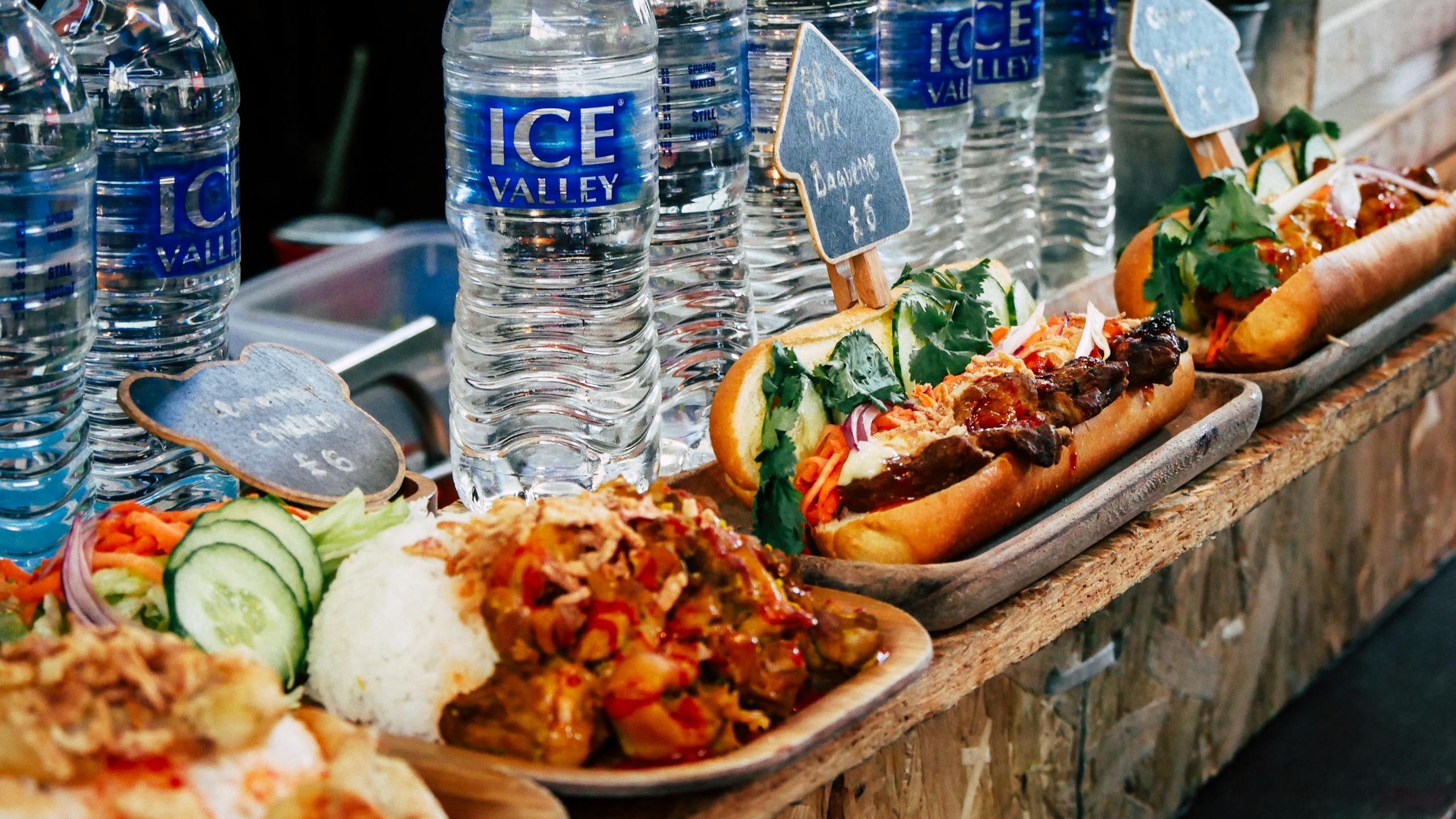
Premade food has quietly become one of the most important parts of modern grocery stores. From rotisserie chickens and ready-made salads to hot meals designed for busy families, these items now play a major role in where people choose to shop. Grocery chains have responded by expanding their prepared food sections, placing them strategically in stores to catch attention and drive impulse purchases. Some retailers put these foods right at the entrance, while others place popular items deeper inside the store to encourage shoppers to browse more aisles before picking them up.
At the same time, premade food presents a serious challenge. Unlike packaged goods, cooked food loses quality quickly, and unsold items often end up in the trash. One large and highly efficient grocery retailer discovered that it was discarding around 9% of its prepared food, a number that translates into significant financial loss, wasted resources, and environmental damage.
To address this problem, the retailer turned to academic research. Professors Dan Iancu and Erica Plambeck from Stanford Graduate School of Business teamed up with Jae-Hyuck Park, an assistant professor at the New Jersey Institute of Technology. Their goal was to rethink how prepared foods are managed and sold, using a detailed analytical model that reflects real-world grocery operations more accurately than previous studies.
What they found challenges one of the most deeply held beliefs in retail.
Why Grocery Stores Traditionally Sell Older Food First
Most grocery stores follow a system called first-in, first-out (FIFO). Under this approach, items prepared earlier are placed at the front of the shelf, while newer items go behind them. The logic is simple and intuitive: sell the oldest products first so they do not expire and get thrown away.
For many types of inventory, FIFO works well. But the Stanford research suggests that for premade foods, FIFO may actually do more harm than good.
Shoppers care deeply about freshness. When they see multiple prepared items on a shelf, they tend to choose what looks newest, best, or least risky. FIFO often results in customers encountering items that appear older first, which can discourage purchases altogether.
The Surprising Case for Selling the Freshest Food First
The research team discovered that a last-in, first-out (LIFO) approach works better for premade food. Under LIFO, the freshest items are placed at the front, while older items move to the back.
At first glance, this seems risky. Some food at the back of the shelf may expire before being sold. But the model shows that the benefits outweigh this cost.
Selling the freshest items first raises the average quality of food that customers buy. Higher perceived quality increases demand, which leads to more overall sales. With higher demand, fewer items sit on the shelf long enough to expire. The result is higher sales and less waste, even though some older items still go unsold.
Crucially, the researchers found that LIFO only works when combined with longer shelf lives. If stores switch to LIFO but keep short sell-by windows, the benefits disappear. Earlier research missed this interaction, which is why FIFO was long considered the safer option.
The Counterintuitive Role of Time Stamps
Another surprising finding involves time stamps. Many shoppers prefer seeing when food was prepared, believing this helps them make better choices. However, the model suggests that clearly visible time stamps can actually increase waste.
When preparation times are displayed, shoppers aggressively select the newest items. If a batch of rotisserie chickens came out an hour ago, customers may avoid those prepared two hours earlier, even if the quality difference is minimal. This behavior shortens the effective shelf life and increases the number of unsold items.
When time stamps are not visible, customers cannot distinguish between individual items. Instead, they judge based on their overall experience with the product category. As long as the average quality remains high and the price feels fair, shoppers continue buying, even if some individual purchases are slightly less fresh.
The research does not suggest that stores should lose track of time internally. Employees still need to know when food must be removed for safety reasons. Many retailers already use coded systems that are invisible to customers, such as color-coded tabs or labels that indicate age without revealing exact times.
When Time Stamps Might Still Make Sense
Time stamps are not always bad for business. The model shows they can be helpful if there are large differences in customer preferences, such as a mix of shoppers who care intensely about freshness and others who are more flexible.
In reality, though, most customers value freshness similarly. In those situations, visible time stamps tend to reduce overall sales and increase waste rather than helping consumers.
Food Waste Is More Than a Profit Problem
Discarded food is costly for retailers, but the true impact goes beyond lost revenue. Wasted premade food represents wasted labor, energy, water, and raw materials, along with increased greenhouse gas emissions when food ends up in landfills.
There is also a social cost. Unsold food could help people facing hunger if managed correctly. Recognizing this, California has introduced laws requiring supermarkets to donate edible unsold food to food banks and charities.
However, similar policies have produced mixed results elsewhere. In France, where a donation law has been in place since 2016, audits found that both the quality and quantity of donated food declined. The Stanford model helps explain why.
Donating food is logistically expensive. It requires extra handling, storage, and transportation. To reduce donation volumes, retailers may extend sell-by dates, which means food arrives at charities in worse condition. That food is then discarded downstream, shifting waste rather than eliminating it.
Why Better Management Matters
The researchers argue that smarter operational decisions can reduce waste throughout the entire food system. Selling fresher items first, extending shelf life where safe, and rethinking how information is shared with customers can all make a meaningful difference.
The study also highlights how complex grocery operations really are. Every decision, from shelf placement to labeling, affects customer behavior, sales, waste, and environmental impact.
Why Premade Food Deserves Special Attention
Premade food is the fastest-growing category in grocery retail. As more people look for convenience, demand will continue to rise. That makes improving how these foods are managed especially important.
Unlike packaged goods, prepared food quality decays rapidly and unevenly. Small differences in presentation or information can lead to large changes in customer behavior. This makes traditional inventory rules less reliable and opens the door for smarter, data-driven approaches.
The Bigger Takeaway
The Stanford research shows that long-standing retail assumptions do not always hold up under scrutiny. For premade food, selling the freshest items first, limiting visible time stamps, and allowing slightly longer shelf lives can lead to higher sales, lower waste, and better overall outcomes.
It is a reminder that sustainability and profitability do not have to be at odds. With the right systems in place, grocery stores can reduce waste while still meeting customer expectations for quality and freshness.
Next time you walk through a supermarket, it may be worth pausing to notice how prepared foods are displayed. Behind those shelves lies a complex set of decisions that shape what we eat, what gets wasted, and how efficiently food moves through the system.
Research paper: https://www.gsb.stanford.edu/faculty-research/publications/boosting-sales-and-customer-welfare-premade-foods-let-freshest-chicken