A New Book Shows How K-12 Schools Can Be Better Prepared for the Next Public Health Crisis
Keeping children safe, learning, and connected during a global health emergency turned out to be one of the most complex challenges modern education systems have ever faced. A newly published book takes a deep, practical look at what happened inside K-12 schools during the COVID-19 pandemic—and, more importantly, what school leaders and public health officials can do better next time.
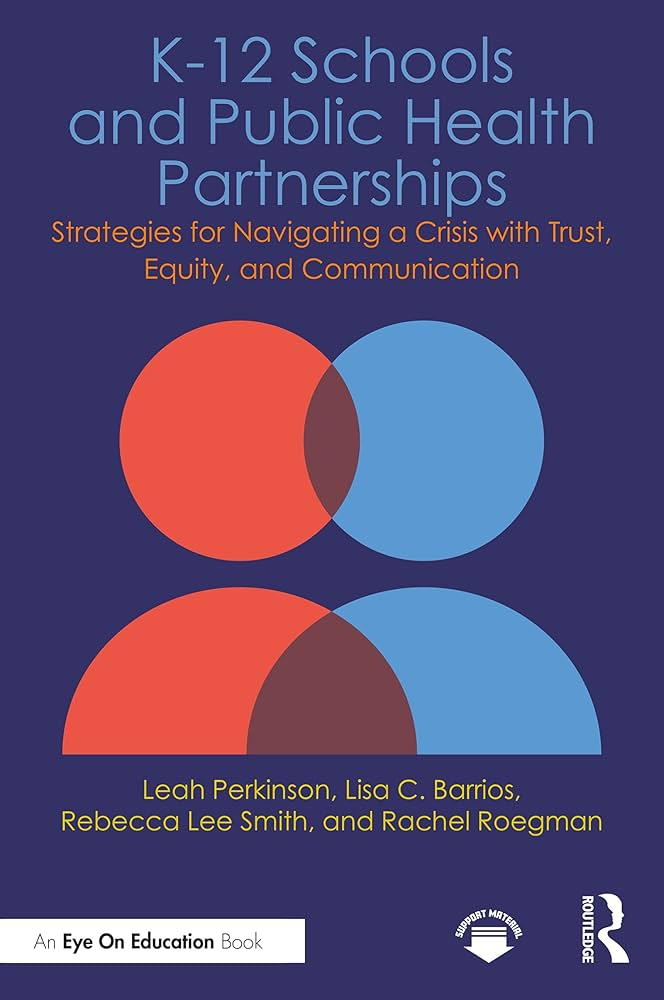
The book, titled K-12 Schools and Public Health Partnerships: Strategies for Navigating a Crisis with Trust, Equity, and Communication, brings together expertise from educational policy, epidemiology, and public health to document how schools across the United States responded when COVID-19 was declared a global pandemic in March 2020. Its central message is clear and consistent throughout: strong collaboration between schools, public health authorities, and community leaders is not optional—it is essential.
The Scale of the Challenge Facing K-12 Schools
When the World Health Organization officially declared COVID-19 a pandemic, school district leaders were immediately forced into high-stakes decision-making with limited information. Across the country, administrators had to act quickly on school closures, design remote learning plans, protect staff safety, maintain student meal distribution, and communicate clearly with families who were frightened and overwhelmed.
At the same time, guidance from public health authorities was evolving rapidly as scientists learned more about the virus. School leaders often found themselves balancing conflicting expectations from parents, teachers, political leaders, and health agencies. The book details how these pressures created confusion, conflict, and, in some cases, deep mistrust within communities.
Rather than offering abstract theory, the authors focus on real decisions, real constraints, and real consequences that shaped how schools navigated the crisis.
Authors With Firsthand Pandemic Experience
One of the strengths of the book is that its authors were not distant observers. All four were directly involved in pandemic response efforts and worked closely with decision-makers during the crisis.
Leah Perkinson, a pandemics manager at The Rockefeller Foundation and a former researcher at the U.S. Centers for Disease Control and Prevention, played a major role in national pandemic response efforts. She helped coordinate communities of practice and compile public health guidance documents during the height of the emergency.
Lisa C. Barrios, currently the director of the CDC’s Division of Readiness and Response Science, led initiatives designed to help schools prevent, mitigate, and respond to COVID-19. Her work focused on translating public health science into practical strategies that schools could realistically implement.
Rebecca Lee Smith, an epidemiologist and professor of pathobiology at the University of Illinois Urbana-Champaign, advised efforts to track infections and reduce transmission in schools and workplaces across Illinois. Her expertise grounded school decisions in data and disease-spread modeling.
Rachel Roegman, a professor of education policy, organization, and leadership at the University of Illinois, brought a critical equity lens. Her research focuses on how schools can become more affirming spaces for students who are often marginalized—and she observed firsthand how existing inequities worsened the impact of the pandemic on vulnerable communities.
Insights From Dozens of Leaders on the Front Lines
The book draws on dozens of interviews with school administrators, public health officials, and community leaders who played key roles during the pandemic. These conversations form the backbone of the book’s guidance, offering insights into what worked, what failed, and why.
Three interconnected themes emerge repeatedly: trust, equity, and communication. The authors argue that these factors are deeply intertwined and form the foundation of any successful crisis response in K-12 education.
Building Trust Through Action, Not Promises
According to the book, trust was most effectively built when school leaders actively listened to families and students and followed through with tangible support. During COVID-19, this often meant addressing basic needs before academic concerns.
Schools distributed laptops and tablets to students who lacked access to technology and taught families how to use online learning platforms. Districts created Wi-Fi hubs in neighborhoods where internet access was unreliable or nonexistent. New systems were developed to ensure continued school lunch distribution, even when buildings were closed.
For families of essential workers, schools established in-person learning hubs, allowing students to remain supervised and supported while parents worked critical jobs. These efforts sent a clear message that schools were committed to meeting students where they were, rather than expecting families to adapt without help.
Why Clear Communication Made a Real Difference
Communication failures were one of the biggest sources of frustration during the pandemic. The book highlights how schools that invested in transparent, consistent communication were better able to maintain public trust.
Some districts created online dashboards that provided up-to-date information on testing availability, infection rates, and safety protocols. These dashboards also included guidance on how families could access health services or testing sites.
Communication was especially effective when schools, public health departments, community organizations, and political leaders coordinated their messaging. Speaking with one voice reduced confusion and prevented misinformation from filling the gaps left by silence or mixed signals.
Planning From the Margins to Promote Equity
A major contribution of the book is its emphasis on what the authors call “planning from the margins.” This approach means designing crisis responses around the needs of those most at risk, rather than treating them as an afterthought.
This included prioritizing students with disabilities, families who speak languages other than English, and low-income or undocumented households. By centering these groups in planning discussions, schools were better able to ensure that no one was excluded from learning, meals, or health information.
The authors argue that when systems are built to serve those with the greatest barriers, they ultimately work better for everyone.
Responding to Criticism and Misinformation
Public criticism and misinformation were constant challenges during the pandemic. The book documents how leaders navigated these pressures by acknowledging uncertainty and being honest about what they did—and did not—know.
Unified messaging from trusted institutions helped counter false claims, while listening sessions allowed leaders to hear community concerns directly. In some situations, the most effective strategy was not engaging directly with misleading narratives, but instead reinforcing essential, evidence-based messages.
Why These Lessons Matter for the Future
The authors stress that the partnerships formed during COVID-19 should not disappear now that the immediate crisis has passed. Maintaining relationships between schools, public health agencies, and community groups is foundational to preparing for future emergencies.
Whether the next crisis involves another pandemic, environmental disasters, or other public health threats, the lessons documented in this book offer a roadmap for keeping students safe, supported, and learning.
Understanding the Bigger Picture of School and Public Health Partnerships
Historically, schools have often operated separately from public health systems. COVID-19 revealed how deeply interconnected education and health truly are. Schools are not just places of learning—they are hubs for nutrition, mental health support, social services, and community connection.
This book reinforces the idea that public health preparedness must include schools as central partners, not secondary considerations. By investing in collaboration now, communities can respond faster and more effectively when the next crisis arrives.
Research reference:
https://doi.org/10.4324/9781003608844