Archaeologists From Texas Tech University Locate the Long-Lost Mission Nuestra Señora del Espíritu Santo in Texas
An archaeology team from Texas Tech University, working closely with the Texas Historical Commission, has successfully located the long-lost site of Mission Nuestra Señora del Espíritu Santo, a Spanish colonial mission that had eluded historians and archaeologists for decades. The discovery was made in early December on a private ranch in Jackson County, Texas, near two historically important landmarks: Presidio la Bahía and Fort St. Louis.
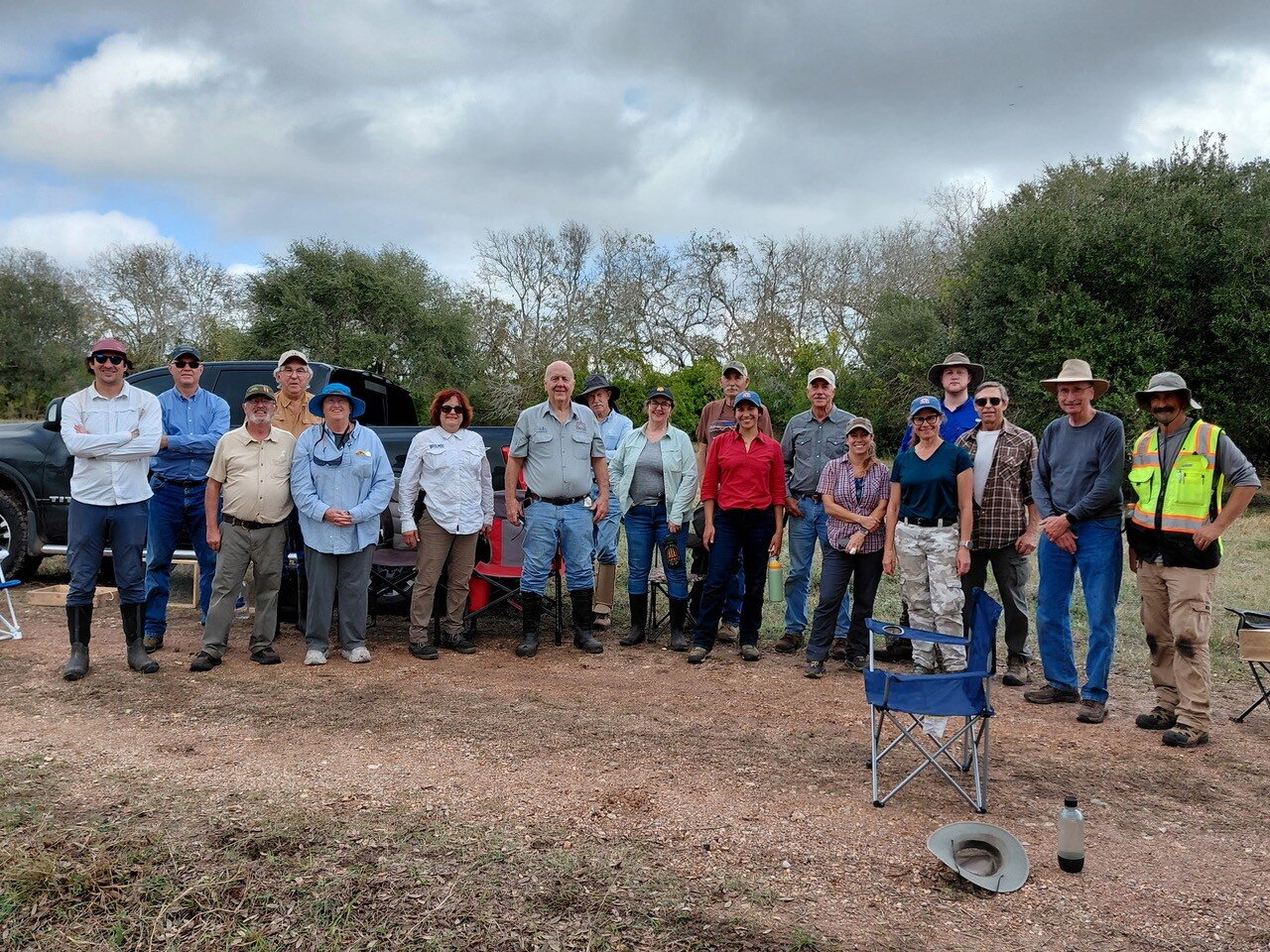
The project was led by Tamra Walter, assistant professor of archaeology in the Department of Sociology, Anthropology and Social Work at Texas Tech. She was joined by Texas Historical Commission archaeologists Kay Hindes, Jim Bruseth, Tiffany Osburn, and Brad Jones, along with a small group of Texas Tech students. Together, they confirmed the location of a site that had disappeared from the historical record since the early 18th century.
What makes this discovery stand out is not just the recovery of a forgotten mission, but the clarity it brings to a complex and turbulent chapter in Texas colonial history.
The Mission’s Origins and Early History
The story of Mission Nuestra Señora del Espíritu Santo begins long before Spanish missionaries arrived. In the 1680s, French explorer René-Robert Cavelier, Sieur de La Salle, established a colonial settlement in the region as part of France’s attempt to expand its presence in the New World. La Salle believed he was near the mouth of the Mississippi River, though he was significantly off course.
La Salle eventually left the settlement to search for the Mississippi, but he never returned. He was killed by members of his own expedition during the journey. The remaining colonists were left vulnerable, and historical accounts suggest they were eventually killed or captured by the Karankawa people, a Native group that lived along the Texas coast.
After the collapse of the French colony, Spain moved to secure the region. Spanish authorities established Mission Nuestra Señora del Espíritu Santo as part of their broader missionary and colonial strategy, aiming to convert Indigenous populations and strengthen Spain’s territorial claims. However, this Spanish occupation was brief, lasting only from around 1721 or 1722 until approximately 1725 or 1726. When the Spanish abandoned the mission, its exact location faded from memory.
Why the Site Was So Hard to Find
For decades, archaeologists knew the mission had existed but could not pinpoint its location. Many Spanish missions in Texas were occupied for 50 to 100 years or more, resulting in layered construction, rebuilding, and later modifications that obscure early evidence. In contrast, Espíritu Santo’s short lifespan meant there was little documentation and no later occupation to keep its location visible.
Ironically, the same factor that made the site difficult to find is what now makes it so valuable. Because the mission was occupied for only a few years, the archaeological record remains clean and tightly dated, offering a rare and focused glimpse into life on the Spanish frontier during the early 1700s.
A Snapshot of Life on the Spanish Frontier
According to Walter, the site provides an unusually clear snapshot of daily life during a specific moment in Texas history. Most missions of similar age were reused and expanded over decades, blurring the archaeological evidence of their earliest years. At Espíritu Santo, the narrow window of activity means artifacts and features can be linked to a precise timeframe.
This allows researchers to study how missionaries lived, worked, and interacted with Indigenous groups during the early stages of Spanish expansion. The site helps fill gaps in the historical narrative connecting French colonial failure, Spanish missionary efforts, and the shifting power dynamics along the Texas coast.
Collaboration Made the Discovery Possible
The discovery was the result of extensive collaboration. Walter credited support from the Summerlee Foundation, the Texas Historical Commission, and the private landowners who granted access to the ranch where the site was found. The project also benefited from decades of prior research by historians and archaeologists who had been searching for the mission’s location.
The field team included one undergraduate student and two graduate students from Texas Tech, giving them hands-on experience that few archaeology students ever receive. Finding a lost mission site is a rare opportunity, even for seasoned professionals, and it represents a major milestone for students early in their careers.
Educational and Institutional Impact
The discovery has been widely celebrated within Texas Tech University. Tosha Dupras, dean of the College of Arts & Sciences, highlighted the importance of field-based research for students, emphasizing that experiences like this cannot be replicated in classrooms or textbooks.
The project also strengthens Texas Tech’s reputation for world-class archaeology, demonstrating that significant discoveries can happen close to home. Walter has pointed out that researchers do not need to travel internationally to conduct impactful archaeological work, as Texas itself holds sites of global historical importance.
What Happens Next at the Site
The work at Mission Espíritu Santo is far from finished. Walter is already planning the next phase of research, which includes a magnetic survey to better define the site’s boundaries and identify subsurface features. This non-invasive technique will help guide future excavations and minimize disturbance to the area.
Following the survey, the team plans to excavate artifacts and structural remains, with Texas Tech students continuing to play a central role. These efforts will deepen understanding of the mission’s layout, daily activities, and material culture.
Why This Discovery Matters Beyond Texas
The rediscovery of Mission Nuestra Señora del Espíritu Santo adds an important piece to the broader puzzle of colonial North American history. It connects French and Spanish colonial ambitions, Indigenous resistance and adaptation, and the lived realities of missionary life on a contested frontier.
Because the site captures such a short and well-defined period, it offers researchers a rare opportunity to study early Spanish colonial strategies without the complications of later rebuilding or long-term occupation. Insights gained here may influence how archaeologists interpret other early mission sites across the region.
A Clear Example of Modern Archaeology in Action
This discovery also highlights how modern archaeology relies on teamwork, technology, and long-term persistence. It was not the result of a single lucky find but of years of research, collaboration, and careful fieldwork. The project shows how academic institutions, state agencies, and private partners can work together to recover lost chapters of history.
Mission Nuestra Señora del Espíritu Santo may have been forgotten for nearly 300 years, but its rediscovery now offers scholars, students, and the public a clearer understanding of a formative moment in Texas history.
Research reference:
Texas Tech University Department of Sociology, Anthropology and Social Work – Mission Nuestra Señora del Espíritu Santo Archaeological Project
https://www.depts.ttu.edu/sasw/archaeology/projects.php