Being in a Good Mood Might Be the Secret to Boosting Your Everyday Creativity
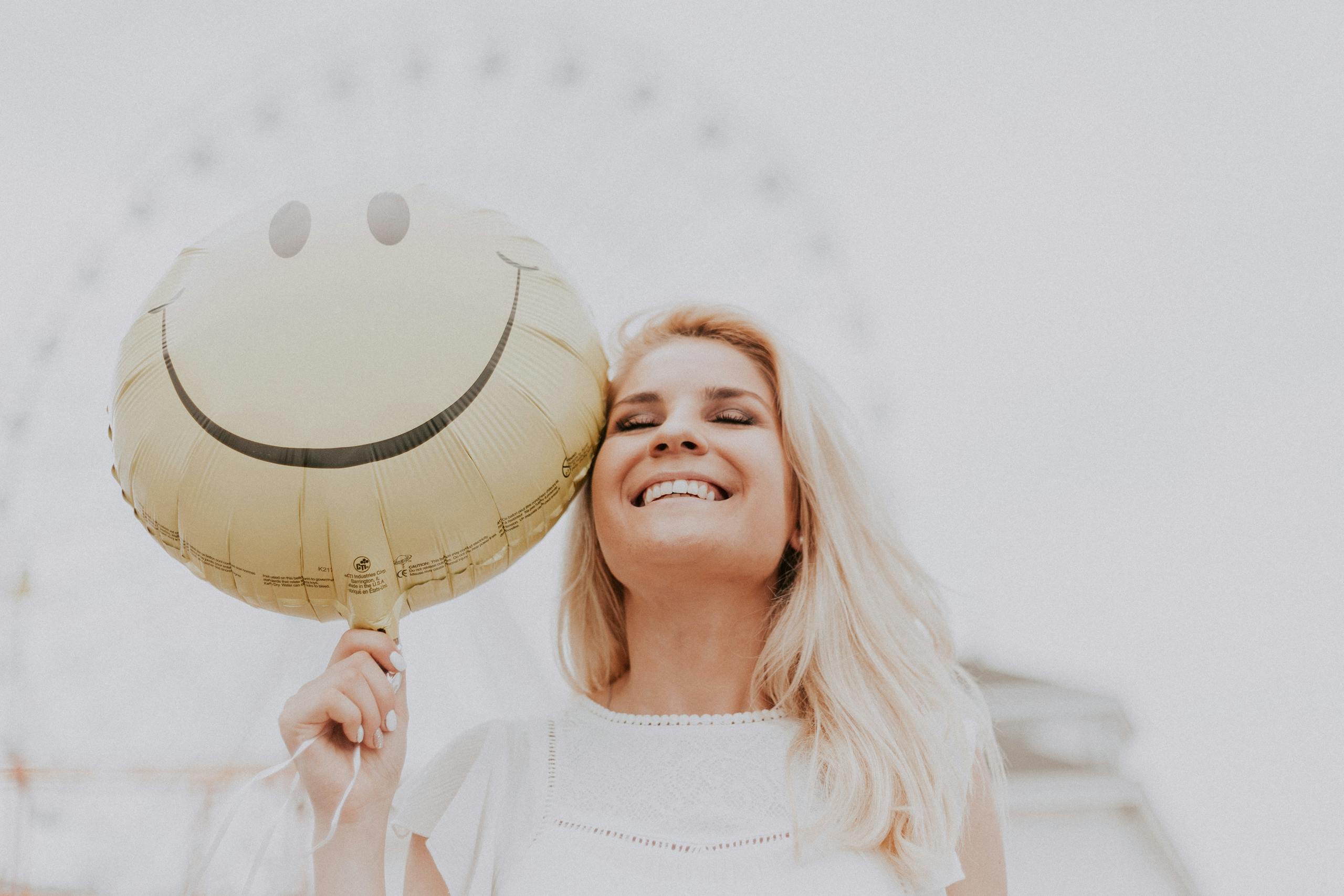
New research from the University of Georgia suggests that your daily happiness may play a much bigger role in your creativity than you think. According to this study, feeling positive, content, and autonomous doesn’t just make you feel good—it can actually nudge you toward creative activities like drawing, writing, cooking something new, or even picking up a musical instrument. What’s especially interesting is that these effects show up not just on the same day but also the next day, showing how strongly positivity supports creative behavior.
The research, conducted by scholars at UGA’s Mary Frances Early College of Education and published in The Journal of Creative Behavior, takes a close look at how everyday emotions influence everyday creativity. The researchers used weeks of daily diaries from more than 100 college students to track mood changes, feelings of independence or frustration, and the types of creative activities the students engaged in. Their findings reveal some clear patterns: positive emotions and satisfaction of basic psychological needs both boost creative engagement, while factors like intelligence or negative emotions don’t actually reduce creativity.
Below is a detailed breakdown of what the study found, along with additional background about everyday creativity and why these findings matter.
How Daily Mood Shapes Daily Creativity
The students in the study reported their emotional states each day—how happy or frustrated they felt—as well as the creative activities they engaged in. The researchers found that feeling positive, content, or fulfilled translated directly into higher engagement with creative actions. These actions covered a wide range, from writing poems to experimenting with new recipes to practicing an instrument.
The standout discovery was that positive emotions predict creativity not only on the same day but also one day later. This means that a good mood creates a kind of mini momentum that supports creativity over time. The research also showed that people feeling autonomous—that is, feeling in charge of what they choose to do—were more likely to pursue creative behaviors.
Interestingly, feeling frustrated because of external limitations (like school deadlines or overwhelming workloads) sometimes encouraged people to turn to creativity as a form of control. For example, if they felt limited by responsibilities, they sometimes gravitated toward an activity like reading or painting where they could make their own decisions.
The big idea: when people feel capable, independent, and supported, they naturally gravitate toward creative activities.
What Counts as “Everyday Creativity”
A key point in the study is that creativity does not need to be grand, artistic, or society-recognised. The researchers emphasize what they call everyday creativity—activities that are new and useful to the individual but require no formal expertise.
Everyday creativity can include:
- Trying a new recipe
- Rearranging your space in a fresh way
- Designing something for fun
- Doodling or painting as practice
- Writing a poem or journaling
- Coming up with a different solution to a daily problem
You don’t need to be a trained artist, a skilled musician, or a seasoned writer. If you’re engaging with something new and meaningful to you, that’s creativity. This approach helps people see creativity as a normal part of daily life rather than a rare talent.
Independence, Competence, and Creative Motivation
A major part of the study looked at basic psychological needs—specifically the needs for autonomy, competence, and relatedness. These are central concepts in psychology’s Self-Determination Theory, which states that humans thrive when these needs are supported.
In this research:
- Autonomy meant feeling able to choose and direct one’s actions.
- Competence meant feeling capable, effective, and confident.
- Relatedness wasn’t as prominent in the findings but still plays a role in emotional well-being overall.
Students who felt more autonomous and more competent showed higher creative engagement across multiple days. That suggests that fostering environments that support independence and skill-building can greatly encourage everyday creativity.
Even when certain stressors limited autonomy—like deadlines or heavy workloads—those same frustrations sometimes pushed participants toward creative behaviors as a coping mechanism. Creativity offered them a sense of personal control.
Negative Emotions Don’t Reduce Creative Output
One of the surprising conclusions is that negative emotions like sadness or anger didn’t actually decrease creativity. In other words, people didn’t become less creative when they felt bad. This doesn’t mean negative emotions increase creativity, but rather that they don’t suppress it.
Similarly, intelligence—often assumed to be linked to creativity—did not predict whether someone engaged in creative activities. The researchers highlight that creativity seems to depend much more on everyday emotional experiences than on ability levels.
This is an important reminder: creativity is not reserved for highly intelligent or naturally artistic people. Instead, it’s something accessible to anyone, especially when they support their emotional well-being.
How You Can Use These Insights in Daily Life
The study gives a few clear takeaways for people who want to boost their creativity:
Support your own positive emotions
Being in a good mood isn’t a frivolous luxury—it plays a key role in your creative behavior. Activities that reliably lift your mood (like walking, socializing with supportive people, listening to music, or resting properly) can indirectly support your creative growth.
Build a sense of autonomy
Choose activities that allow you to make your own decisions. Even small choices—like selecting a new recipe to try—can feed your creative impulses.
Strengthen your sense of competence
Try activities where you can build skill gradually. Seeing progress encourages you to keep going, and competence fuels creativity.
Make space for small daily creative acts
Creativity doesn’t require a studio, special tools, or long blocks of time. A few minutes of drawing, writing, cooking, or crafting can make a difference in how fulfilled you feel.
Additional Insights: The Psychology Behind Creativity
This research fits neatly into a larger body of work showing strong links between emotional well-being and creative expression. Over the past decade, psychologists have demonstrated several consistent themes:
Creativity boosts well-being
Engaging in creative activities—even for short periods—can reduce stress, improve mood, and increase feelings of satisfaction.
Everyday creativity matters more than rare creative bursts
Small creative actions repeated regularly often contribute more to emotional health than rare, high-effort creative projects.
Creativity is tied to personal agency
Autonomy is one of the strongest predictors of creative engagement. When people feel they have choices, their creative output grows.
Social support indirectly fuels creativity
Having supportive relationships helps regulate emotions, and emotional well-being is linked to creative engagement. Encouraging environments often produce more creative individuals.
By understanding these principles, you can intentionally create conditions that make creativity easier and more enjoyable.
Research Reference
The Role of Basic Psychological Need Satisfaction and Need Frustration and Emotional Well-Being in Everyday Creativity: A Daily Diary Approach
https://doi.org/10.1002/jocb.70060