Communities and Culture Are Central to the Restoration of Britain’s Lost Elm Trees
The restoration of Britain’s once-iconic elm trees is not just a scientific challenge—it is also a social and cultural one. New research led by the University of St Andrews, in collaboration with Forest Research and the Royal Botanic Gardens, Kew, reveals that bringing back so-called “lost” tree species requires far more than disease resistance and planting programs. It requires rebuilding human relationships, cultural memory, and public understanding alongside ecological recovery.
The study, published on 5 December in the academic journal People and Nature, focuses on elm trees, which suffered catastrophic losses from Dutch elm disease beginning in the 1960s. While millions of trees were lost, the researchers argue that the true damage goes beyond numbers. Elm trees have also experienced a loss of function, visibility, and cultural meaning, all of which must be addressed if restoration efforts are to succeed.
Understanding What “Loss” Really Means for Tree Species
One of the most important contributions of this research is how it reframes the idea of extinction and loss. According to the study, biological loss—the decline in tree populations—is only one dimension. Elm trees have also suffered functional loss, meaning they no longer provide the same ecosystem services or materials they once did, such as timber for ships, housing, furniture, and transport. Alongside this is social and cultural loss, where communities no longer recognize elm as a defining feature of the landscape or feel any connection to it.
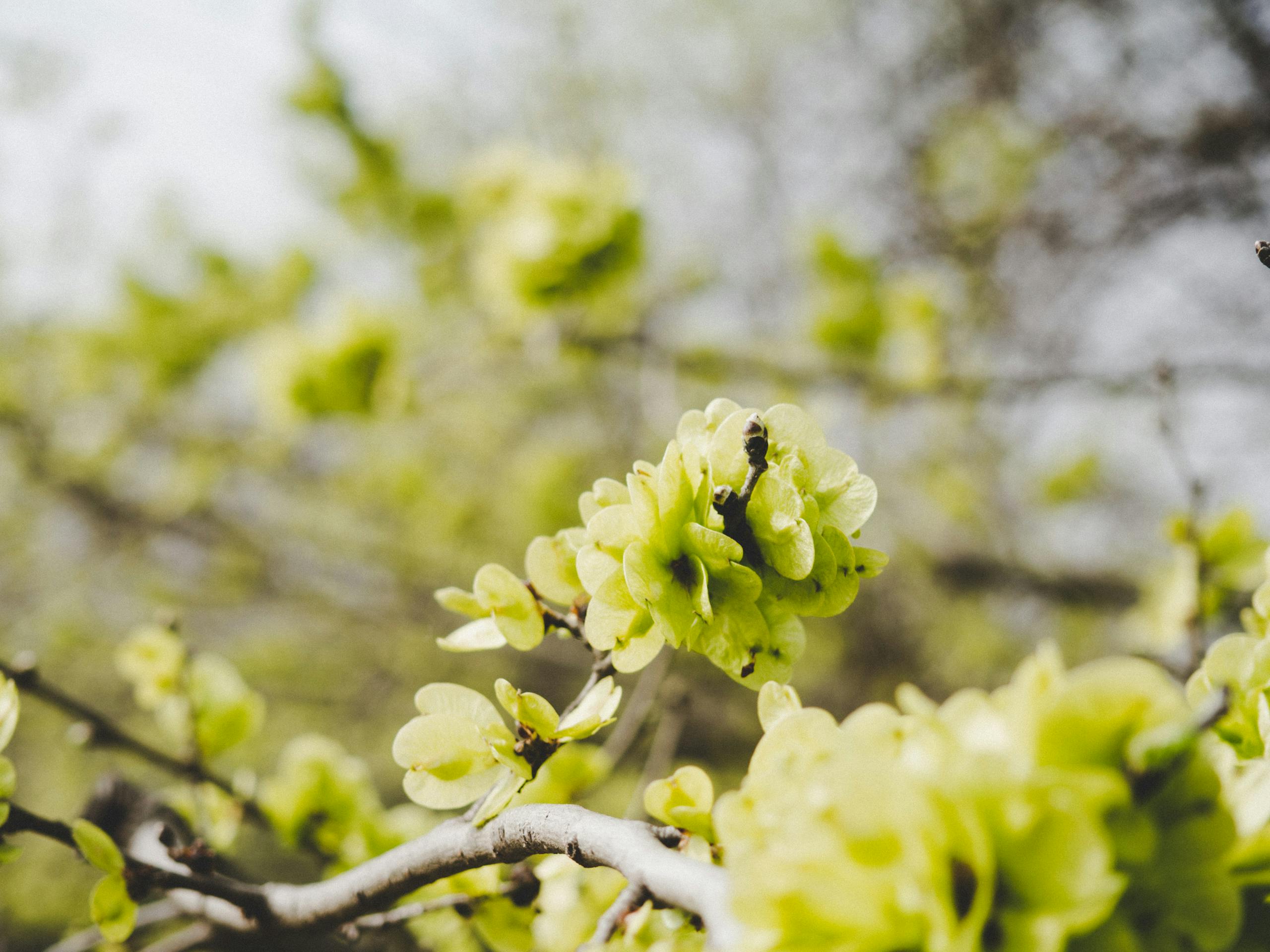
Although elm trees have not disappeared entirely from Britain, their presence today looks very different. Instead of large, mature trees lining roads and fields, most elms now survive as small, scrubby plants in hedgerows or woodland understories. This change has significantly reduced public awareness of elm as a species, and in many places, people no longer realize these trees are still part of their environment.
The Ongoing Threat from Pests and Pathogens
The decline of elm is not an isolated case. Across Great Britain, trees are increasingly threatened by pests and diseases, with ash dieback providing a modern parallel to Dutch elm disease. These threats pose serious risks to woodland diversity and long-term forest resilience.
The researchers stress that restoring both ash and elm is essential for creating diverse and resilient treescapes. Without active intervention, Britain risks losing not only individual species but also the ecological complexity that supports wildlife, soil health, and climate resilience.
Where Elm Trees Still Survive
Despite their decline, elm trees have not vanished completely. The study highlights several refuge areas where elm populations remain relatively strong. One of the most notable is Brighton, home to the National Elm Collection, which preserves a significant number of mature elms. Another key area is Assynt in the north of Scotland, where Dutch elm disease has not yet taken hold.
These locations provide valuable opportunities to study elm survival and explore different restoration strategies. However, the researchers emphasize that technical solutions alone are not enough. Any attempt to expand elm populations beyond these refuges must also address public attitudes and cultural values.
Why Human Intervention Is Unavoidable
A central argument of the paper is that human intervention is essential in restoring tree species affected by pests and pathogens. While natural resistance can develop over time, the way woodlands are managed plays a decisive role in whether resistant trees survive and spread.
There are multiple restoration options available, including selective breeding, planting disease-resistant varieties, managing woodland structure, and creating protected areas. Each approach leads to different ecological and social outcomes, and people’s reactions to these methods vary widely. This variation makes early and open discussion critical, as public resistance or misunderstanding can undermine even scientifically sound restoration efforts.
Social and Cultural Factors Shape Restoration Success
The research places strong emphasis on the idea that restoration projects must account for social acceptability. How people feel about planting resistant elm varieties, altering landscapes, or intervening in natural processes directly affects whether projects gain support or face opposition.
Different communities value trees in different ways. Some prioritize heritage and historical continuity, while others focus on biodiversity, aesthetics, or land use. Ignoring these perspectives can lead to restoration efforts that fail not because of poor science, but because they lack community buy-in.
The study suggests that restoration should be viewed as both an ecological and cultural process, where rebuilding connections between people and trees is just as important as restoring populations.
A National Project with Policy Implications
This research is the first published output from the Centre for Forest Protection, a Defra-managed initiative focused on safeguarding Britain’s trees. The wider project aims to map social values, public attitudes, and land-management practices related to tree restoration across Great Britain.
By integrating social science with ecology, the project seeks to inform future policy decisions, ensuring that restoration strategies are not only biologically effective but also socially viable. Understanding whether people believe restoration is possible, desirable, or worth investing in is crucial for shaping long-term woodland policy.
Expert Perspectives from Science and Social Research
Senior researchers involved in the project stress that ecological restoration cannot succeed in isolation. Natural science research provides tools for developing disease resistance and managing forests, but without understanding the human dimension, these tools may never be fully implemented.
Social scientists involved in the study highlight the importance of recognizing multiple viewpoints, from landowners and conservationists to local communities and policymakers. These perspectives influence decisions about whether trees should be restored, how landscapes should change, and what trade-offs are acceptable.
Why Elm Restoration Still Matters Today
Elm trees once played a major role in Britain’s landscapes and economy. Their loss reshaped ecosystems, altered cultural memory, and removed a familiar presence from daily life. Restoring elm is not about recreating the past exactly as it was, but about reintegrating a valuable species into modern landscapes in ways that reflect today’s ecological realities and social values.
The study makes it clear that successful restoration depends on recognizing trees as part of a living relationship between people, place, and nature. By addressing both the scientific and cultural dimensions of loss, Britain has a better chance of bringing elm trees back—not just as plants in the ground, but as meaningful components of shared landscapes.
Research paper: https://doi.org/10.1002/pan3.70206