Crime in Newark Is Significantly Concentrated Around Corner Stores, New Study Finds
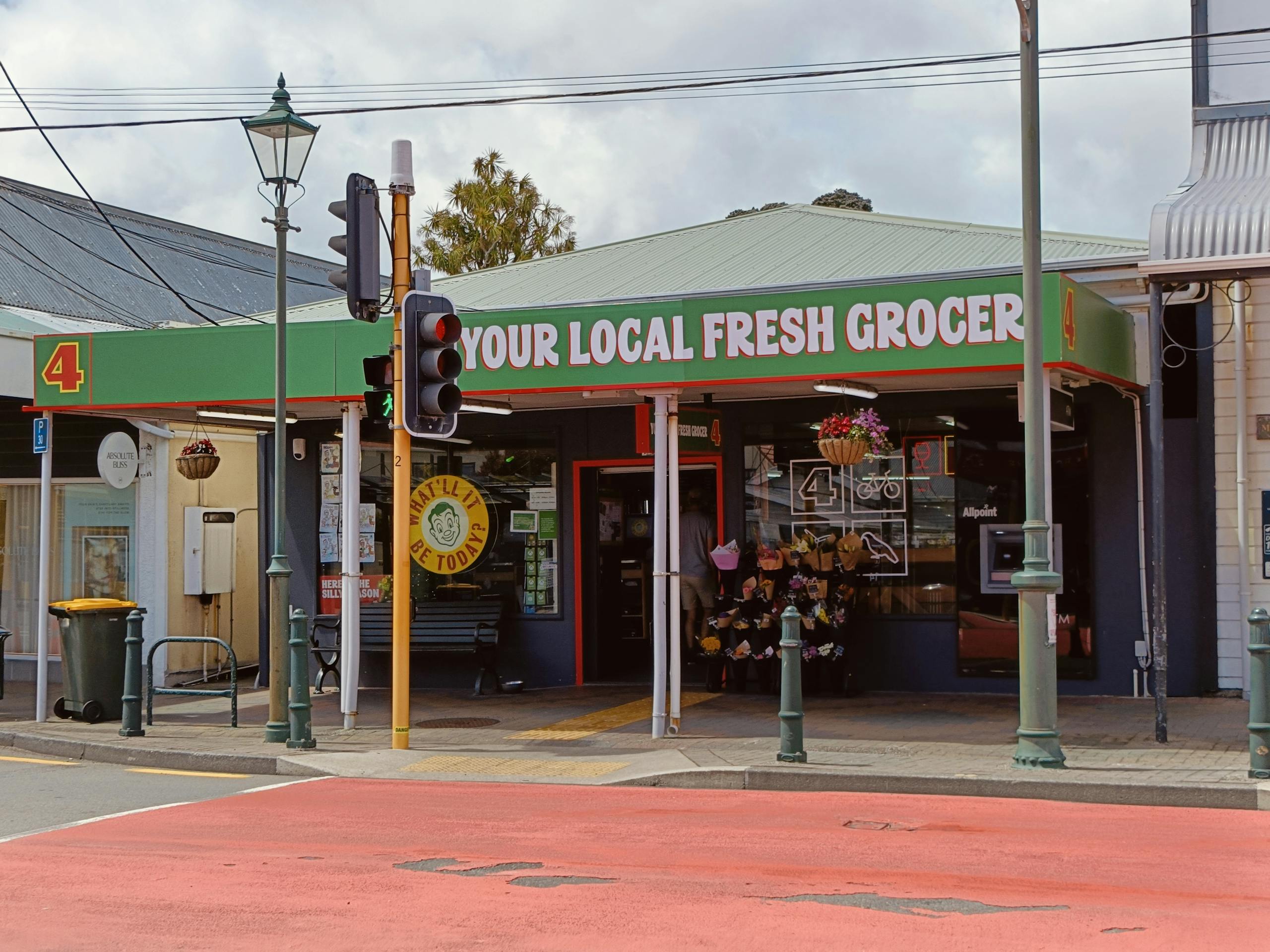
A new academic study has taken a close, data-driven look at crime patterns in Newark, New Jersey, and the findings point to a clear and consistent trend: crime is disproportionately concentrated around corner stores compared with other types of commercial spaces in the city. Conducted by researchers from Rutgers University–Newark in collaboration with an international academic partner, the study adds important nuance to how urban crime hotspots are understood and addressed.
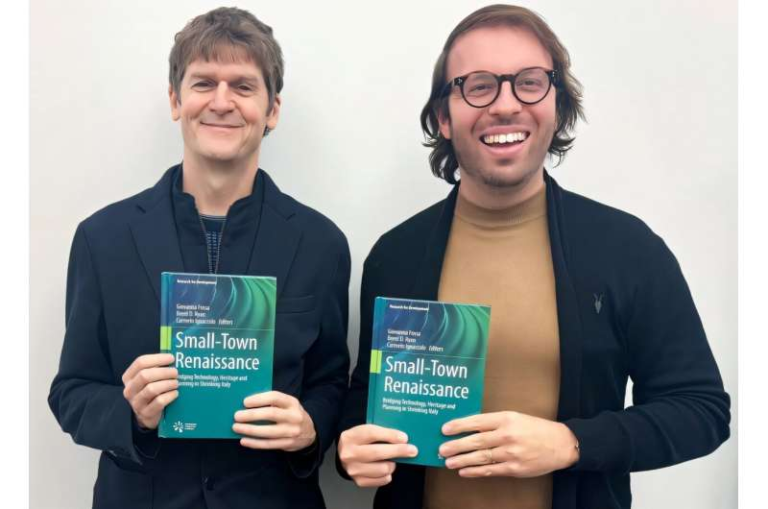
The research was led by Alejandro Gimenez-Santana, an assistant professor of professional practice at the Rutgers University Newark School of Criminal Justice, along with Marco Dugato from the Università Cattolica del Sacro Cuore in Milan, Italy, and additional Rutgers-based researchers. Their work was published in the peer-reviewed Journal of Criminal Justice, signaling its relevance to both academic criminology and real-world policy discussions.
What the Study Examined
The study focused on Newark, the largest city in New Jersey, using official 2022 crime data to analyze how crime clusters spatially around different types of businesses. Rather than treating all small retail locations as the same, the researchers set out to answer a specific question: Do corner stores play a unique role in shaping crime patterns, or are they simply part of a broader category of convenience-based retail risk?
To answer this, the research team examined the proximity of crimes to corner stores and compared those patterns with crime near other commercial venues, including convenience stores, pharmacies, retail shops, restaurants, and gas stations. The analysis paid special attention to serious offenses such as gun violence, robberies, and aggravated assaults.
Importantly, the researchers also examined neighborhood characteristics and time-of-day effects, allowing them to move beyond simple location-based correlations and explore how broader social and environmental contexts influence crime around these stores.
Key Findings: Corner Stores Stand Out
One of the most striking conclusions of the study is that crime is significantly more concentrated around corner stores than around other comparable businesses. While previous research often grouped all convenience-style retailers together, this study found that corner stores exert a distinct criminogenic influence.
Among the types of crime analyzed, gun violence and aggravated assaults showed the strongest association with corner store proximity, while robberies, though still present, were less strongly linked. This suggests that the risks tied to corner stores go beyond opportunistic theft and are more closely connected to serious interpersonal violence.
Another important finding is that not all corner stores are the same. Crime concentrations varied depending on the surrounding neighborhood conditions, indicating that local socioeconomic and environmental factors can either intensify or mitigate risk. Some corner stores were associated with very high crime levels, while others showed far lower concentrations.
Crime Happens Day and Night
The study also examined when crimes occur, and the results challenge a common assumption. Crime around corner stores was found to persist both during daytime and nighttime hours, suggesting that these locations function as crime attractors or generators beyond normal business operations.
This finding implies that the presence of crime near corner stores cannot be explained solely by store opening hours or customer traffic. Instead, it points toward deeper mechanisms such as routine activity patterns, social interactions around the stores, and the role these spaces play as informal neighborhood gathering points.
Why Neighborhood Context Matters
One of the study’s most valuable contributions is its emphasis on interaction effects between place and neighborhood context. The researchers found that factors such as neighborhood structure and characteristics shaped how crime clustered around corner stores.
This means that corner stores do not automatically cause crime, nor are they inherently dangerous. Instead, they interact with existing conditions in the surrounding area. In neighborhoods already experiencing economic stress or limited resources, corner stores may unintentionally become focal points for conflict or illegal activity. In other areas, the same type of store may function with minimal crime impact.
Moving Beyond Generic Risk Categories
A key takeaway from the research is the need to disaggregate place-based risk assessments. For years, crime prevention strategies have often treated convenience stores as a single high-risk category. This study shows that such an approach can be overly simplistic and may miss important distinctions.
By demonstrating that corner stores differ meaningfully from other retail venues, the research argues for more place-specific diagnostics. This approach allows policymakers, law enforcement, and urban planners to design interventions that are tailored to the micro-level features of individual locations, rather than relying on broad classifications.
Implications for Crime Prevention and Urban Planning
The findings have clear implications for crime prevention strategies, community safety policies, and urban planning decisions. Instead of applying uniform policing or regulatory measures across all retail spaces, interventions could be targeted toward specific corner stores and surrounding blocks where risk is demonstrably higher.
Possible responses might include improved lighting, environmental design changes, focused community engagement, or partnerships with store owners. Because crime persists around these locations regardless of time of day, solutions will likely need to combine situational prevention measures with broader social and neighborhood-level initiatives.
Corner Stores and Urban Life
Beyond crime statistics, corner stores play a complex role in urban environments. They often serve as essential access points for food and daily necessities, particularly in neighborhoods with limited supermarket options. At the same time, their constant activity, visibility, and accessibility can make them important social hubs.
This dual role highlights why simplistic narratives about corner stores and crime can be misleading. The study does not suggest eliminating or stigmatizing these businesses. Instead, it encourages a more nuanced understanding of how everyday urban spaces interact with social conditions to shape safety outcomes.
Why This Study Matters
By using detailed spatial analysis and focusing on micro-level differences between commercial venues, this research adds depth to the field of environmental and place-based criminology. It reinforces the idea that a relatively small number of places can account for a disproportionate share of crime, while also showing that context matters just as much as location.
For cities like Newark and beyond, these insights provide a valuable evidence base for designing smarter, fairer, and more effective crime prevention strategies—ones that recognize the complexity of urban life rather than relying on one-size-fits-all solutions.
Research paper:
https://doi.org/10.1016/j.jcrimjus.2025.102552