Former Coal Mining Communities Continue to Lag Behind in Entrepreneurship, New UK Study Finds
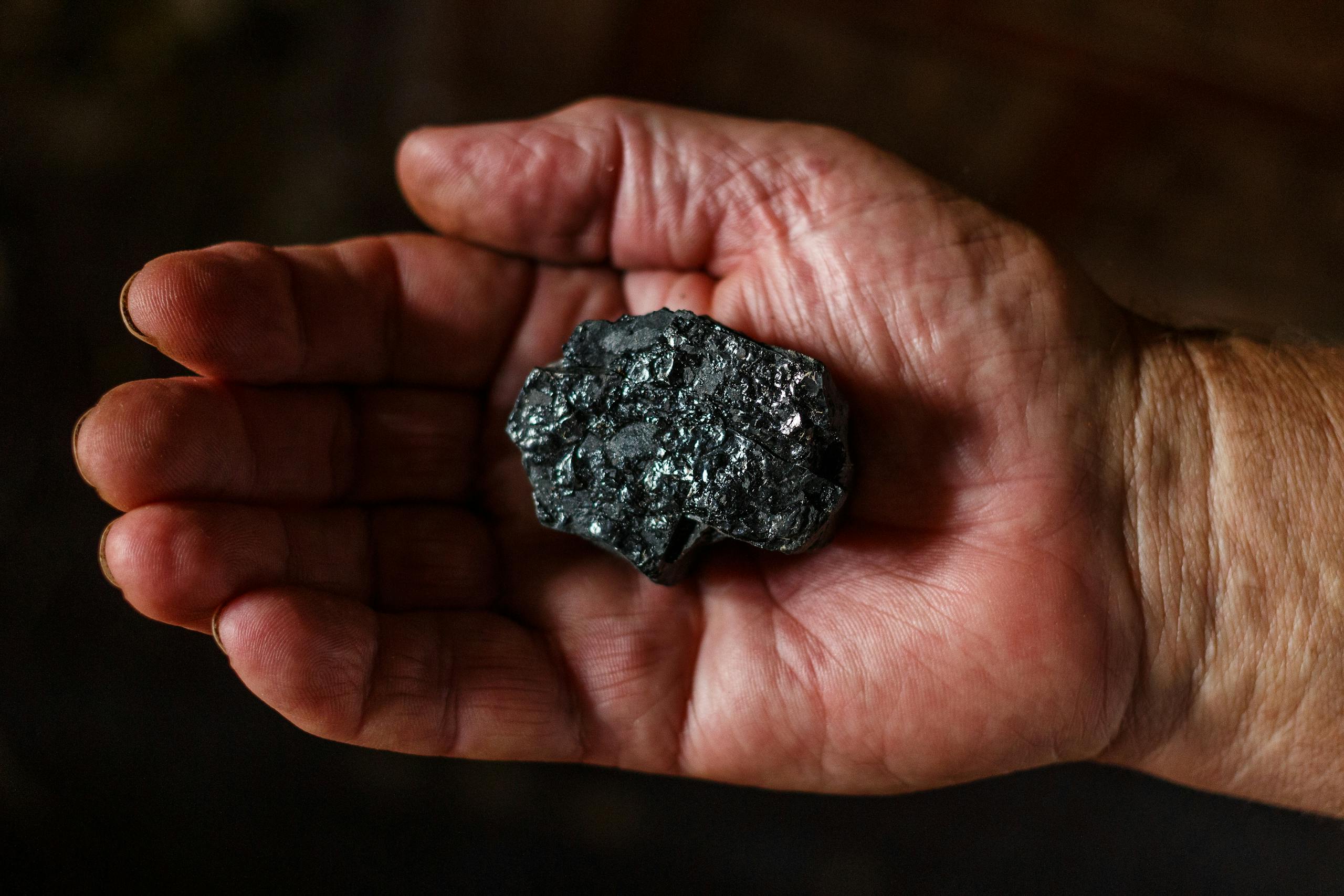
Former coal mining communities across the UK are still struggling to generate new businesses, according to new academic research led by the University of St Andrews in collaboration with Oxford Brookes University and the University of Liverpool. Despite decades having passed since the decline of coal mining and the rollout of major government-backed start-up support schemes, these areas continue to record significantly lower levels of entrepreneurship than other parts of the country.
The findings come from a paper published in the journal Entrepreneurship and Regional Development, which takes a close look at how historical industrial structures shape present-day economic behavior. The researchers argue that the legacy of coal mining has created long-lasting social and economic patterns that are proving difficult to break, even across generations.
How the Industrial Past Still Shapes the Present
Coal mining was once a dominant employer in many UK regions, offering stable, long-term jobs that supported entire communities. While these industries have largely disappeared, the study shows that their influence remains deeply embedded. Areas previously dominated by large-scale industries like coal mining tend to exhibit persistently low rates of new firm formation, even as younger generations enter the workforce.
One of the central ideas explored in the research is inter-generational imprinting. This refers to the way occupational norms and attitudes toward work are passed down within families and communities. In former mining areas, the children and grandchildren of miners are still more likely to prefer traditional employment contracts over entrepreneurial risk-taking. This cultural preference appears to discourage people from starting their own businesses, even when financial support is available.
Evidence from the UK’s Largest Start-Up Support Scheme
To investigate these patterns, the researchers analyzed data from the UK’s Start Up Loan Scheme (SULS), covering the period from 2012 to 2022. This scheme is the largest single start-up support program in the UK and has backed more than 100,000 start-ups during that decade. By focusing on this dataset, the researchers were able to track where start-ups emerged, who founded them, and how they performed over time.
The analysis revealed that people living in former coalfield communities were less likely to start businesses than those in non-mining areas. Even when residents of these communities did attempt to start companies through the scheme, the overall start-up rates remained noticeably lower.
The study also found that a higher proportion of entrepreneurs in former mining areas entered self-employment from unemployment. While entrepreneurship is often promoted as a solution to joblessness, this pathway carries higher risks, and the research shows that start-up failure rates are proportionally higher among formerly unemployed founders.
Geography Matters More Than You Might Think
Former coal mining communities are heavily concentrated in specific regions, many of which are rural or semi-rural. These include areas such as Yorkshire, Durham, South Wales, Fife, and Ayrshire in Scotland. Because of this spatial concentration, these places often face a unique mix of challenges that blur the line between urban and rural economic problems.
The study highlights that former mining areas are frequently associated with high unemployment, low-wage work, poor health outcomes, and significant out-migration, particularly among younger people. These factors combine to create environments where entrepreneurship struggles to take root. Limited local demand, weaker business networks, and a lack of role models further reinforce the cycle.
Why Policy Interventions Haven’t Been Enough
Over the years, multiple policy initiatives have aimed to stimulate entrepreneurship in economically disadvantaged regions. Programs like the Start Up Loan Scheme were designed to reduce financial barriers and encourage people to create their own jobs. However, the findings suggest that financial support alone is not enough to overcome deep-rooted structural and cultural barriers.
The researchers describe former coal mining areas as being stuck in a self-perpetuating cycle of low entrepreneurship. Even significant policy interventions have struggled to disrupt this pattern because they often fail to address underlying social norms, local labor market structures, and long-standing expectations around work and security.
Entrepreneurship Is Highly Context-Specific
One of the key takeaways from the study is that entrepreneurship does not develop evenly across places. The same policies can produce very different outcomes depending on local context. In former coalfield communities, historical dependence on large employers appears to have reduced both the appetite for risk and the perceived legitimacy of self-employment as a career path.
The research also shows that areas with related industries or higher levels of high-tech start-up activity tend to generate more new firms. In contrast, places experiencing high levels of in-migration may actually see lower start-up formation, as newcomers often move for existing jobs rather than entrepreneurial opportunities.
Why This Matters Beyond Coal Mining
Although the study focuses on coal mining communities, its implications extend much further. Many regions around the world are grappling with the long-term effects of deindustrialization, whether from factory closures, shipbuilding declines, or the collapse of other once-dominant industries. This research adds to growing evidence that economic transitions leave behind durable social and cultural effects, not just short-term job losses.
Understanding these dynamics is crucial for policymakers who want to design more effective regional development strategies. Encouraging entrepreneurship in such areas may require long-term, place-based approaches that go beyond loans and grants. Education, mentorship, local role models, and cultural change may be just as important as access to capital.
The Bigger Picture: Can These Communities Break the Cycle?
The researchers are careful not to frame former mining communities as hopeless cases. Instead, they suggest that younger entrepreneurs could play a key role in revitalizing these areas, particularly if they receive sustained and targeted support. However, the study makes it clear that breaking free from an industrial legacy is a slow and complex process.
The idea that economic history casts a long shadow is not new, but this research provides robust empirical evidence showing just how persistent those effects can be. Even decades after the closure of coal mines, the imprint of that era continues to shape who starts businesses, where they do so, and how successful they are likely to be.
Final Thoughts
This study offers a detailed and data-driven look at why former coal mining communities continue to lag behind in entrepreneurship. It shows that the challenges are not simply about funding or individual motivation, but about deeply embedded social, cultural, and economic structures. For anyone interested in regional development, entrepreneurship policy, or the long-term consequences of industrial decline, the findings provide valuable insights—and a reminder that economic change rarely happens overnight.
Research paper:
https://doi.org/10.1080/08985626.2025.2601173