Helping People With Opioid Use Disorder Stay on Treatment After Release From Prison
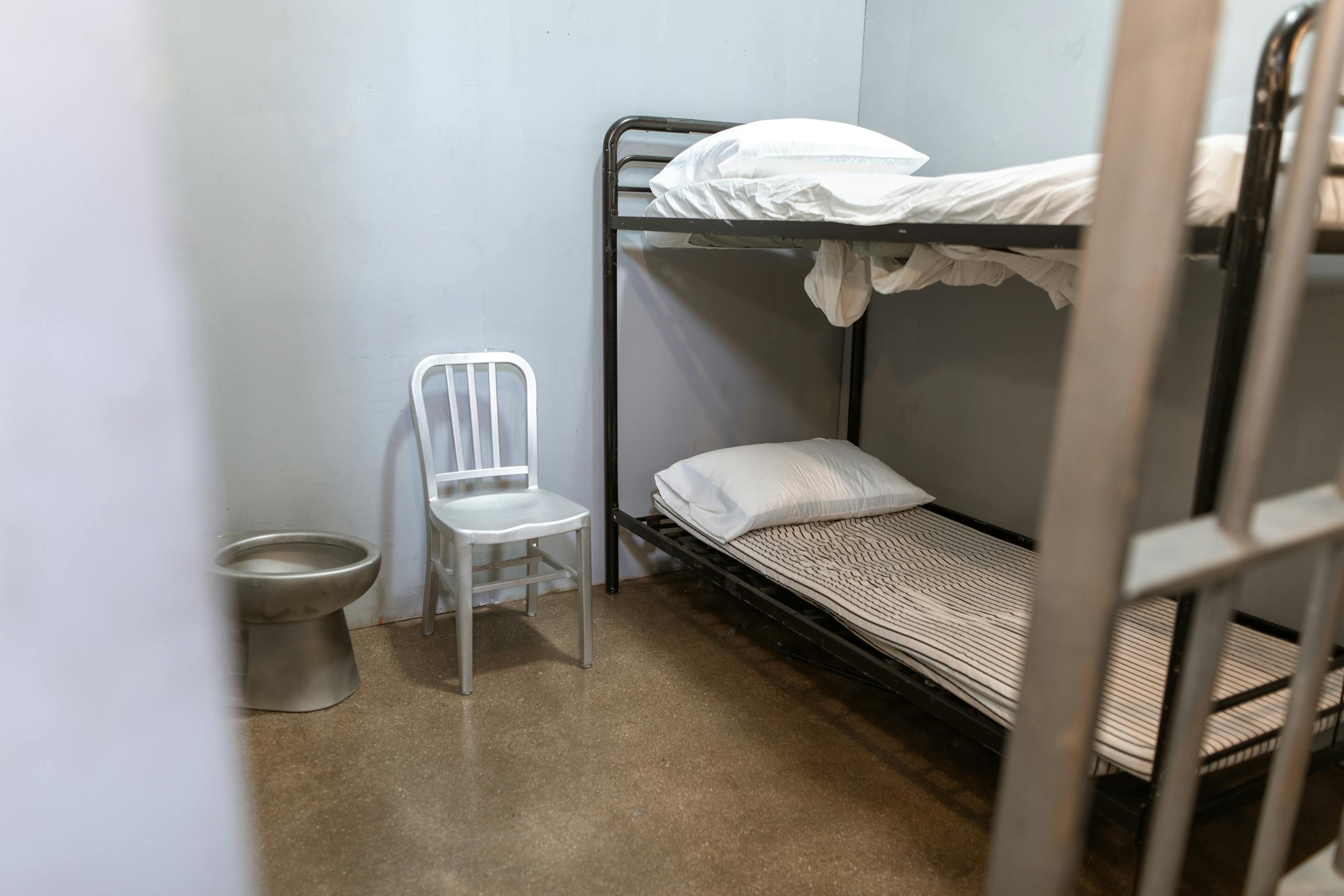
More than half of people incarcerated in U.S. jails and prisons live with a substance use disorder, and for many of them, incarceration becomes the first time they consistently receive medical care for addiction. In New York State, the law requires that individuals diagnosed with opioid use disorder (OUD) be given medication-assisted treatment within 24 hours of entering custody. While this policy saves lives behind bars, the moment of release often becomes the most dangerous point in a person’s recovery journey.
The problem is not treatment inside jail. The real risk begins after release, when people suddenly lose access to structured medical care, counseling, and medication. Studies have shown that people leaving jail or prison face a tenfold higher risk of overdose compared to the general population. This heightened danger exists because tolerance drops during incarceration, support systems disappear overnight, and treatment connections in the community are often missing or delayed.
To address this critical gap, a new partnership in Erie County, New York, is working to make sure that recovery does not stop at the jail door.
A New Partnership Focused on Continuity of Care
The initiative brings together the MATTERS Network, the University at Buffalo, and the Erie County Sheriff’s Office. The goal is simple but powerful: ensure that people with opioid use disorder continue receiving their medication and support without interruption when they return to the community.
The program officially launched last December and has already been offered to 600 individuals being released from custody in Erie County. About half of those individuals have chosen to participate, showing strong interest among people who want to stay on their recovery path but face practical barriers.
The core idea behind the program is that recovery does not fail because people lack motivation. It fails because systems are fragmented. A prescription alone is not enough if someone is released at an odd hour, has no transportation, no insurance, and no nearby pharmacy.
Why the Moment of Release Is So Dangerous
People leaving jail often have little or no warning about when they will be released. Charges can be dropped suddenly, court decisions can change, and individuals may find themselves back on the street late at night with nowhere to go.
Even though New York State mandates that individuals with substance use disorder receive a seven-day supply of addiction treatment medication, real-world obstacles often make that requirement ineffective. Pharmacies may be closed. Transportation may not exist. Insurance coverage may have lapsed. Without a clear plan, people are left vulnerable.
This is especially dangerous because opioid tolerance decreases during incarceration. If someone returns to opioid use at their previous dose, the risk of overdose rises sharply. Many overdoses happen when people are alone, meaning there is no one present to administer naloxone or call for help.
How the Program Works in Practice
The partnership focuses on speed, flexibility, and practical support. Once jail medical staff know that a person receiving medication-assisted treatment is going to be released, a trained nurse meets with them before discharge.
Each individual receives a reentry kit that includes:
- Naloxone (Narcan), along with training if needed
- Fentanyl and xylazine test strips to reduce the risk of accidental poisoning
From there, individuals are offered immediate access to a MATTERS telehealth provider, available 24 hours a day, seven days a week. This connection can happen before release or within the first day or two afterward. The telehealth provider helps arrange follow-up care close to the person’s home, ensuring treatment continuity.
If transportation is a barrier, the program provides transportation vouchers so people can attend their first outpatient appointment. If paying for medication is an issue, prescription vouchers are also available.
Importantly, MATTERS staff follow up with participants within 72 hours of release and again at 30 days. If someone has dropped out of treatment, outreach teams actively work to reengage them, rather than waiting for a crisis to occur.
Peer Support and Long-Term Stability
Once individuals are connected to outpatient care, they can access peer support through the MATTERS Community Advisory Committee. These peers have lived experience with substance use disorder and recovery, offering practical guidance and encouragement that medical care alone cannot provide.
This layered approach helps reduce the burden on correctional facilities as well. Rather than relying solely on jail staff, MATTERS takes responsibility for linking people to community treatment, making the system more efficient and cost-effective.
The program has also attracted attention beyond New York. Other states are working with MATTERS to develop similar telemedicine-based networks that support people transitioning from incarceration to community care.
Why Medication-Assisted Treatment Matters
Medication-assisted treatment, which includes medications like buprenorphine (Suboxone), methadone, and naltrexone, is widely recognized as the gold standard for opioid use disorder. These medications reduce cravings, prevent withdrawal, and significantly lower the risk of overdose.
Despite strong scientific evidence, access to these medications in correctional settings remains uneven across the United States. Many facilities still do not offer comprehensive treatment, and even fewer provide structured reentry support. Programs like this one show how evidence-based care can be extended beyond incarceration, where it matters most.
A Growing Focus on Reentry Care Nationwide
Across the country, policymakers and health systems are beginning to recognize that reentry is a medical emergency for people with opioid use disorder. Medicaid reentry waivers, expanded telehealth access, and community-based treatment networks are all part of a broader effort to reduce overdose deaths.
What makes the Erie County program stand out is its practical design. It does not rely on ideal conditions. Instead, it anticipates real-world challenges like late-night releases, lack of transportation, and financial instability—and builds solutions around them.
The underlying philosophy is clear: treatment must meet people where they are, both literally and figuratively.
Looking Ahead
Early participation numbers suggest that people want support when it is offered in a respectful and accessible way. By focusing on continuity, rapid connection, and practical assistance, this partnership is helping turn a high-risk moment into an opportunity for stability.
Programs like this demonstrate that reducing overdose deaths is not just about medication. It is about coordination, timing, and removing barriers that make recovery harder than it needs to be.
As more regions explore similar models, initiatives like this one may play a key role in reshaping how the justice system, healthcare providers, and communities work together to support long-term recovery.
Research reference:
https://www.nejm.org/doi/full/10.1056/NEJMsa064115