Incarcerated People Along the Gulf Coast Face Serious and Overlooked Risks From Natural Disasters
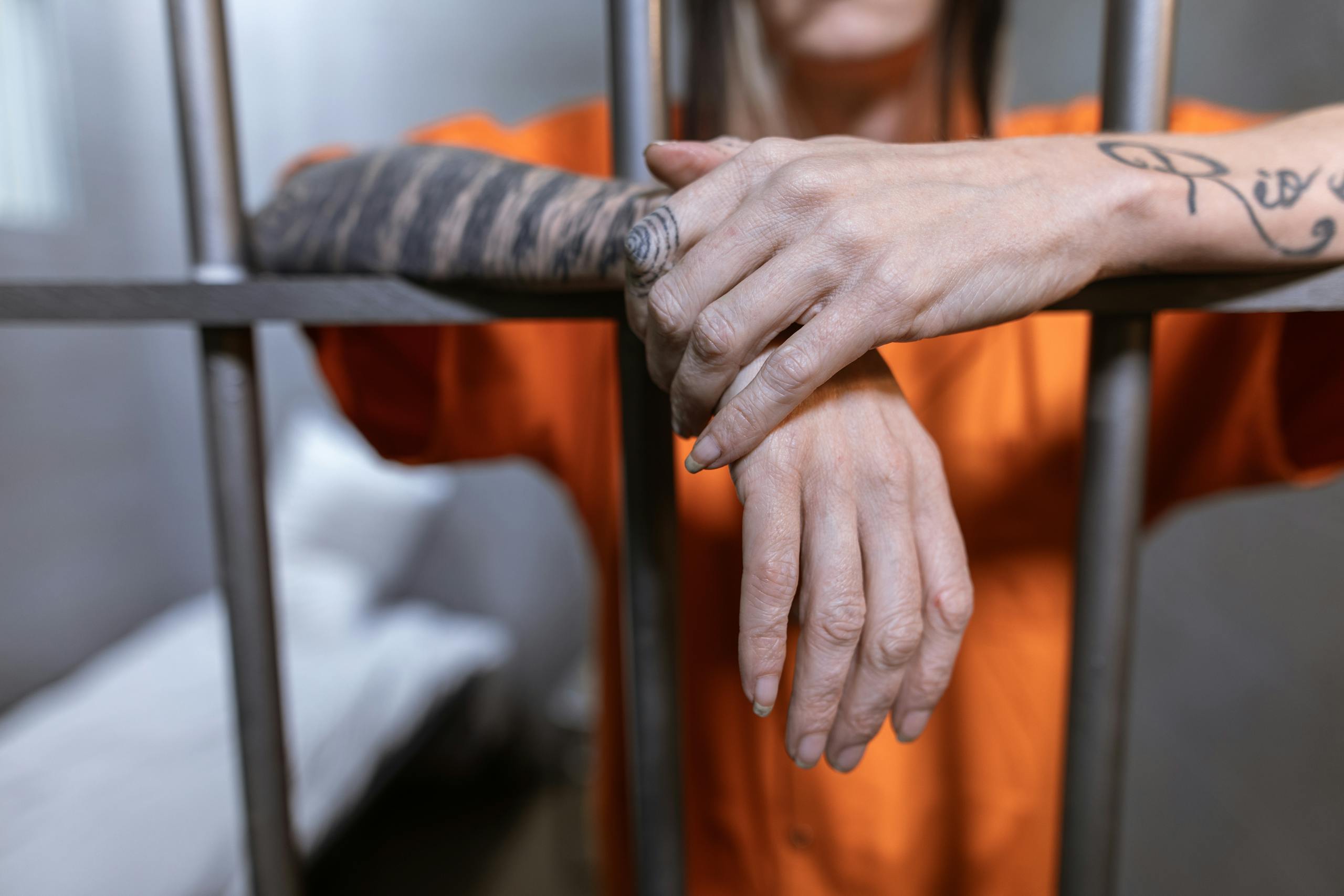
Incarcerated people living in correctional facilities across the U.S. Gulf Coast are facing significant and often ignored dangers from natural disasters, according to a new study from the Yale School of the Environment. The research highlights how prisons, jails, youth detention centers, and immigration detention facilities in this region are frequently located in areas prone to extreme heat, flooding, and hurricanes, while lacking adequate disaster preparedness plans to protect those inside.
The study was conducted by doctoral researcher Faith C. Taylor and published in the academic journal Southeastern Geographer in 2025. It closely examined 332 correctional facilities across Texas, Louisiana, Mississippi, Alabama, and Florida—five states that consistently report some of the highest incarceration rates in the United States. Using data from the Federal Emergency Management Agency (FEMA) and Heat and Heat-related Illness (HHI) maps from the Centers for Disease Control and Prevention (CDC), the study assessed how exposed incarcerated populations are to environmental hazards.
Widespread Flooding Risks Across Correctional Facilities
One of the most striking findings of the study is the scale of riverine flooding risk. Approximately two-thirds of all correctional facilities examined are located in areas classified as having very high to relatively moderate flood risk. This means that a majority of incarcerated individuals in the Gulf Coast region are housed in places where flooding is not a remote possibility but a recurring and well-documented threat.
Facilities that hold women and Immigration and Customs Enforcement (ICE) detainees were found to be at an even greater risk of river flooding than other types of facilities. This adds another layer of vulnerability to groups that already face distinct challenges within the correctional system.
The study estimates that at least 19,734 detainees are currently housed in facilities located in areas considered to be at very high risk for flooding, raising serious concerns about evacuation feasibility, access to medical care, and basic safety during flood events.
Hurricanes Pose a Major Threat, Especially in Florida
Hurricanes are another major concern highlighted by the research. Overall, 62% of correctional facilities in the Gulf Coast region are located in census tracts facing very high to relatively moderate hurricane risk.
Florida stands out sharply in this regard. Nearly 90% of correctional facilities in Florida fall into high or very high hurricane-risk zones. These facilities collectively house more than 66,553 incarcerated individuals, making Florida the state with the highest concentration of hurricane-exposed correctional populations among those studied.
An especially concerning detail is that nearly one-quarter of facilities located in very high hurricane-risk areas are youth detention centers. This means that a significant number of juveniles are being held in locations highly vulnerable to powerful storms, despite their limited ability to protect themselves or evacuate independently.
Extreme Heat Is the Most Dangerous and Persistent Risk
While hurricanes and floods often dominate disaster-related discussions, the study identifies extreme heat as the greatest overall risk facing incarcerated populations in the Gulf Coast.
Many correctional facilities in Florida, Texas, and Alabama lack air conditioning entirely, even as the region experiences longer and more intense heat waves due to global warming. Overcrowding further worsens the situation. Of the 332 facilities analyzed, more than 40 are operating at or above 100% capacity, while another 65 are running between 90% and 100% capacity.
High population density, poor ventilation, and limited access to cooling create conditions where heat-related illnesses can escalate quickly. Incarcerated individuals often have restricted access to water, limited medical attention, and little ability to move to cooler areas, making extreme heat particularly dangerous.
Disaster Planning Is Largely Absent
Despite these well-documented risks, the study found that many correctional facilities lack formal disaster preparedness plans. On the federal level, there are very few policies that explicitly require emergency management planning for incarcerated populations.
At the state level, the picture is not much better. A separate 2022 review of emergency management plans found that only six out of 40 states included incarcerated people in their natural disaster preparedness strategies. This means that in most states, prisons and jails are effectively left out of official disaster planning.
There have been attempts to address this gap. The Correctional Facility Disaster Preparedness Act, introduced in 2020 and again in 2023, would require facilities to submit damage assessment reports and improve emergency preparedness plans. However, the legislation has not passed Congress, leaving these protections unrealized.
When Plans Exist, They Often Create New Risks
Even when disaster preparedness plans do include incarcerated populations, the study found that they frequently focus on using detainees as labor for post-disaster cleanup efforts. While this may be framed as participation in recovery, it can expose incarcerated individuals to additional hazards, including contaminated floodwaters, unstable structures, and extreme weather conditions.
This approach shifts risk onto people who already have limited autonomy and few legal protections, rather than prioritizing their safety during emergencies.
Incarceration and Environmental Vulnerability
The research places incarceration within a broader framework of environmental vulnerability. There is growing evidence that factors such as race, gender, disability, age, and socioeconomic status can worsen the impacts of natural disasters. However, incarcerated individuals are often excluded from these discussions, despite facing compounded risks.
The study emphasizes that the combination of hazardous facility locations, poor infrastructure, overcrowding, and lack of planning results in a cumulative exposure that is often worse than what surrounding non-incarcerated communities experience.
Why Are Prisons Built in High-Risk Areas?
One of the questions raised by the study is why so many correctional facilities are located in disaster-prone areas in the first place. Possible explanations include cheaper land costs, political marginalization of incarcerated populations, and historical zoning decisions that did not account for long-term climate risks.
The research calls for further investigation into these patterns, as well as changes in zoning laws to prevent future facilities from being built in high-risk locations.
Recommendations for Change
The study outlines several steps that could significantly reduce risks for incarcerated populations:
- Reforming zoning laws to avoid placing correctional facilities in flood- and hurricane-prone areas
- Reducing incarceration rates to address overcrowding
- Mandating air conditioning in facilities located in extreme heat zones
- Requiring comprehensive disaster preparedness plans that prioritize safety, not labor
- Expanding research on the environmental impacts of incarceration
Ultimately, the research argues that conditions inside correctional facilities should be viewed through a clear environmental risk lens, recognizing that incarcerated people are part of broader communities affected by climate change.
A Growing Climate Justice Issue
As climate change continues to intensify natural disasters, the risks outlined in this study are likely to grow. Incarcerated people cannot choose where they live, evacuate freely, or take independent protective measures. That reality places a unique responsibility on governments and institutions to ensure their safety.
The study reinforces a simple but often overlooked point: incarcerated people are still people, and environmental protection should not stop at prison walls.
Research paper:
https://doi.org/10.1353/sgo.0.a972001