Most People Don’t Feel Free to Leave a Police Interrogation Room According to New VR Study
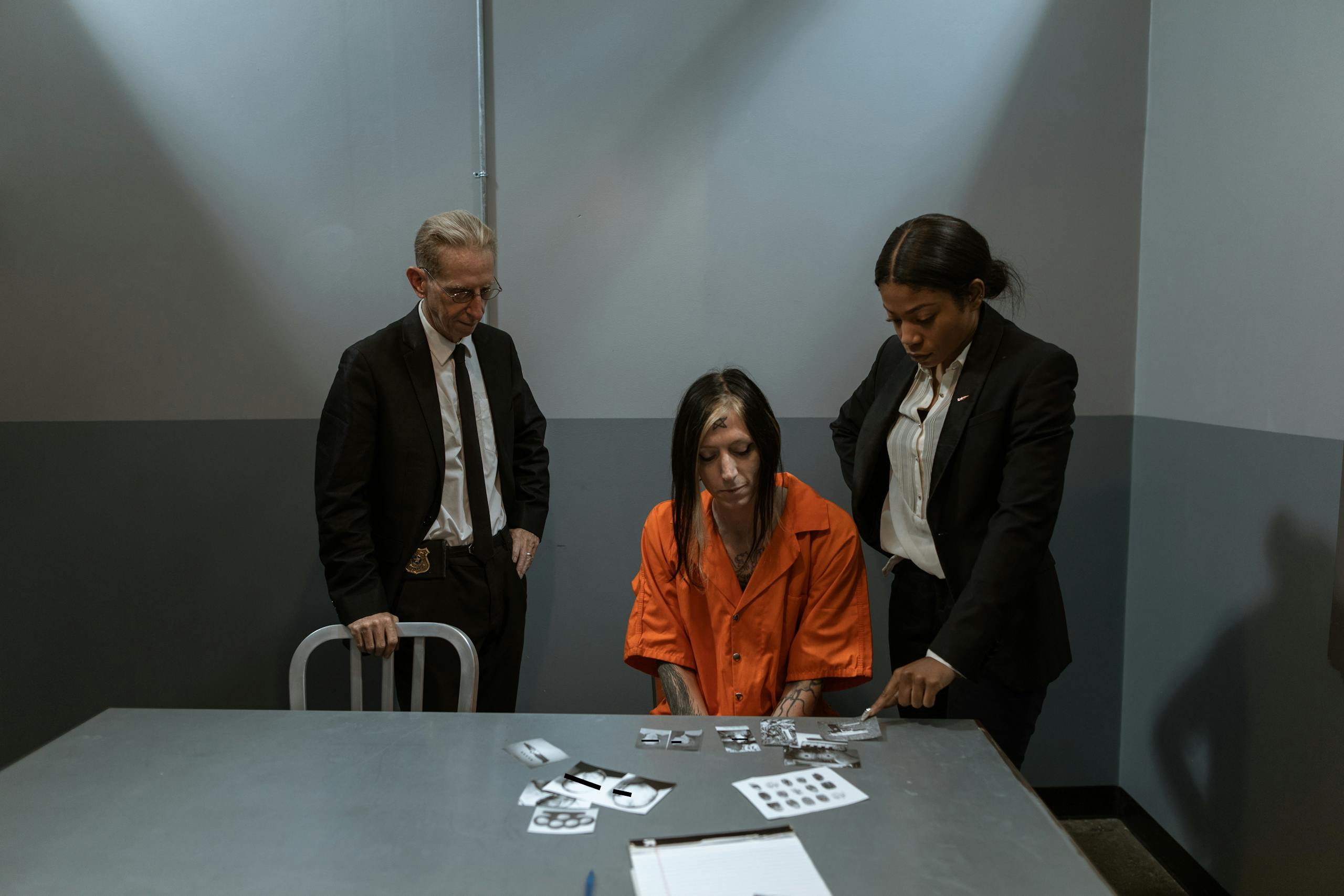
A new study from Virginia Commonwealth University (VCU) offers a detailed and surprisingly eye-opening look at how people perceive police custody during interrogations. Using virtual reality to simulate a homicide-related interrogation, researchers found that most people believe a suspect is not free to leave a police interrogation room after only a few minutes — even when the suspect has not been arrested, not told they must stay, and not read their Miranda rights. This discovery raises major questions about how courts judge whether an interrogation is truly voluntary.
The study was led by Hayley Cleary, a professor of criminal justice at VCU’s L. Douglas Wilder School of Government and Public Affairs. She worked with Lucy Guarnera, an assistant professor and forensic psychologist at the University of Virginia School of Medicine. Their project, called VISE (Virtual Interrogation Subjective Experience), used VR to immerse study participants directly into a 30-minute interrogation filmed in a real police department’s interrogation room. Participants wore VR headsets that placed them virtually next to the suspect during the session.
This experiment was built to explore one central idea: how soon does a person begin to feel “in custody” — not legally, but psychologically — once they’re inside an interrogation room?
How the Virtual Reality Interrogation Was Designed
To make the VR experience as realistic as possible, the researchers used a 360-degree camera inside an actual police interrogation room. They recruited two actors: VCU School of the Arts graduate Joel DeVaughn and Richmond-based actor Doug Blackburn. The interrogation was based closely on a real homicide case interview.
A total of 168 participants, all between 18 and 25 years old and without psychological disorders, watched the interrogation through the headset. The video was divided into three distinct phases:
- Rapport Building (3 minutes)
The officer engages calmly and casually with the suspect to set a conversational tone. - Maximization Phase (16 minutes)
This is the more stressful part. Police use assertive or pressure-focused tactics to push the suspect toward a confession, a technique commonly used in real interrogations. - Minimization Phase (11 minutes)
The officer softens their approach, offering explanations or justifications to encourage cooperation. This is another standard tactic meant to lower resistance.
Throughout these phases, the suspect’s custody status was deliberately never stated, and no explicit restrictions were shown. There were no arrests, no physical restraints, and no reading of rights.
What Participants Believed — And How Fast Their Perceptions Changed
The results were unexpectedly strong and extremely consistent.
- After only three minutes, more than half of the participants believed the suspect was not free to leave the room.
- By the end of the video, less than 20% of viewers thought the suspect might be allowed to leave.
- And more than 90% believed the suspect himself definitely did not feel free to walk out.
This means that most people interpret the interrogation room itself — the setting, tone, and power dynamic — as having custodial weight, even without traditional signs of custody like handcuffs or locked doors.
The research suggests that the interrogation environment alone creates a strong sense of lost autonomy, a key concept in understanding psychological pressure during questioning.
Why This Matters for Legal Cases
In the U.S. justice system, whether someone is legally in custody is extremely important. If a suspect is in custody, police must issue Miranda warnings, including the right to remain silent and the right to an attorney. If the suspect is not in custody, police usually argue they can ask questions freely, with no need to read rights.
But the decision about custody often depends on whether a “reasonable person” would feel free to leave the room.
Courts and law enforcement frequently point to things like:
- an open door
- a calm tone
- offering food or breaks
- explicitly saying “you are free to go”
But the new evidence suggests that none of these details matter much once someone is seated in that room. Participants felt that simply being in that environment — with a police officer questioning them — created a deep and immediate sense of not being allowed to leave.
This is especially important because many real suspects who are technically free to leave never attempt to do so, likely due to fear, confusion, or worry about consequences.
Which Groups Felt Even Less Free to Leave?
Two groups in the study showed even stronger reactions:
- Participants with educational difficulties
- Black participants who reported feeling vulnerable to racial stereotyping by police
Members of both groups were even more likely to believe the suspect remained in custody at all times.
This adds a layer of insight into how background experiences and systemic bias can intensify perceptions of power imbalance.
The “Actor-Observer Effect” in Interrogations
The researchers highlight a psychological concept called the actor-observer effect. In courtroom settings, judges and juries act as “observers,” interpreting a suspect’s behavior from the outside. They often assume a suspect understands their rights and feels free to leave unless told otherwise.
But the “actor” — the person being questioned — experiences fear, uncertainty, power pressure, and the intimidating environment. Their perception is very different from the legal interpretation.
This gap can lead to misjudgments about whether someone’s confession or statements were voluntary.
The Growing Use of VR in Criminal Justice Research
This study is part of a growing trend of using VR to study real-world legal situations. Because VR allows precise control over the environment while still giving participants a deeply immersive view, researchers can evaluate reactions with a level of realism that isn’t possible through written case studies.
The VISE project aims to continue expanding the use of VR in interrogation research. The team plans to explore:
- Different interrogation strategies
- Physiological stress responses (like heart rate and skin conductance)
- How suspects perceive time, pressure, and control
- How different demographics respond to interrogation environments
The goal is to help courts and policymakers understand custody in a more realistic, psychologically informed way.
Why Police Interrogation Rooms Feel So Intimidating
Apart from what the study found, there are several well-known reasons interrogation rooms create a strong psychological power imbalance:
The Physical Setup
Interrogation rooms are deliberately sparse: a table, a few chairs, no windows, and strong lighting. This isolates the suspect and increases vulnerability.
The Role of Authority
Police officers represent legal authority. Even calm questioning can feel high-stakes because suspects know answers can affect their freedom.
The Unknown Outcome
People often fear worsening their situation by leaving, even if told they can. They do not want to appear uncooperative.
The Pressure of Accusation
Being questioned about wrongdoing — especially something serious like homicide — triggers stress, fight-or-flight instincts, and fear of being judged or misunderstood.
These elements combine to create a situation that most people would never interpret as voluntary.
What This Study Means for the Future
This new VR-based research adds significant evidence that the legal definition of custody may not match psychological reality. Courts routinely assume suspects understand they can leave — but this study shows that the vast majority of people quickly feel the opposite.
As a result, legal experts may need to reconsider when Miranda rights should apply. The findings could play an important role in debates about interrogation reform, voluntary statements, and the fairness of criminal procedures.
Research Paper Link
Almost no one feels free to leave an interrogation room: Findings from a virtual reality study of custody perceptions in police interrogations
https://doi.org/10.1037/lhb0000631