NASA’s Wideband Technology Demo Shows Space Missions Can Seamlessly Roam Between Networks
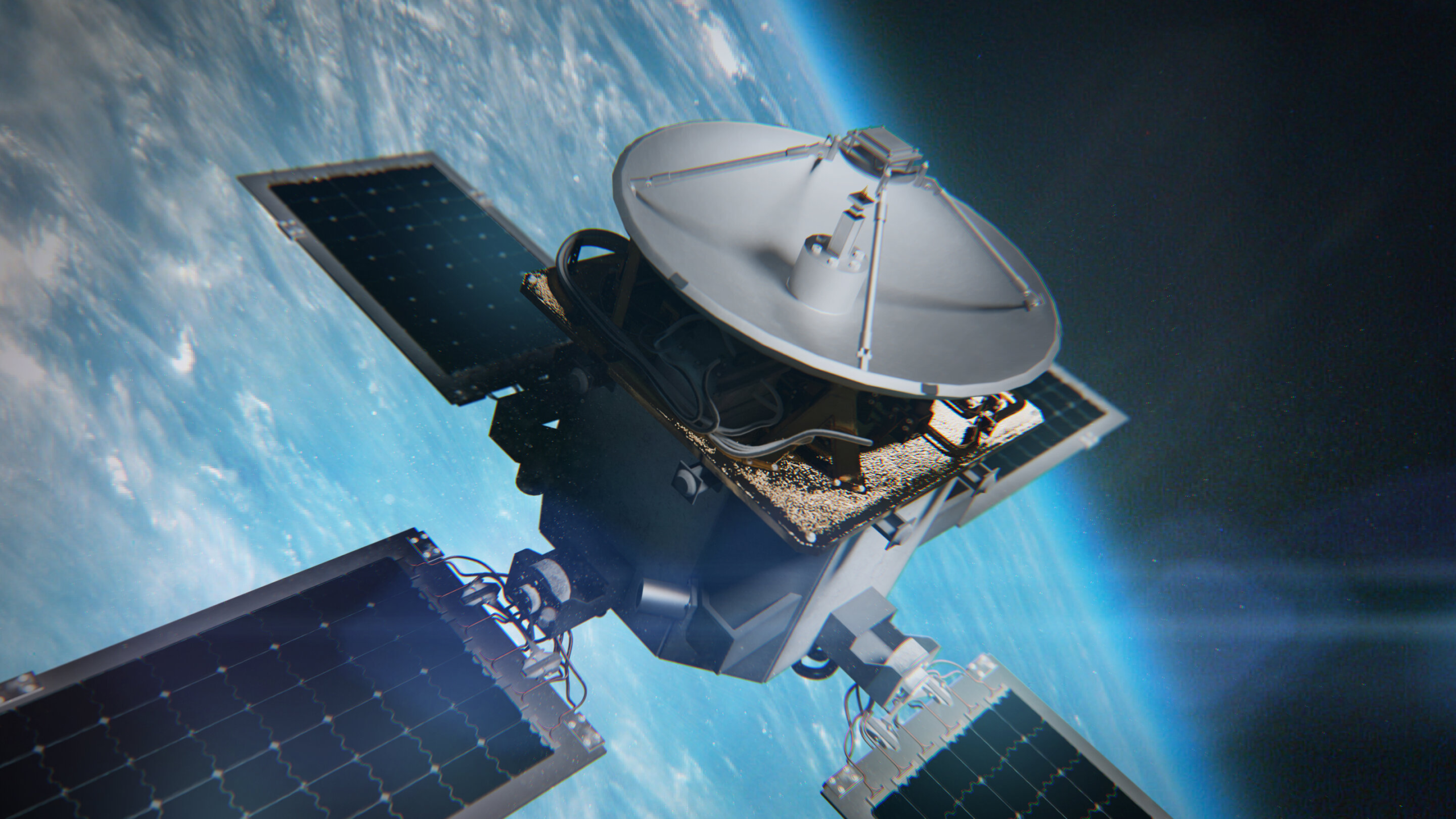
NASA has taken a major step toward the future of space communications with a successful technology demonstration that proves spacecraft no longer need to rely on a single communications network. Much like how modern smartphones automatically switch between cellular providers to stay connected, NASA’s new wideband communications technology allows space missions to seamlessly move between government and commercial satellite networks without losing critical data links.
At the center of this breakthrough is the Polylingual Experimental Terminal, better known as PExT. Developed under NASA’s Space Communications and Navigation (SCaN) Program, PExT is designed to solve one of the most persistent challenges in spaceflight: ensuring continuous, reliable communications as missions become more complex and increasingly dependent on data.
Why Space Communications Matter More Than Ever
Every NASA mission depends on uninterrupted communication to function safely and effectively. Spacecraft must constantly exchange data with Earth to receive commands, report their health status, and send back scientific observations. Even brief communication gaps can delay operations or compromise mission objectives.
Historically, NASA missions have depended heavily on dedicated government-owned networks, especially the agency’s Tracking and Data Relay Satellite System (TDRS). While TDRS has served NASA well for decades, the space communications landscape is changing rapidly. Commercial satellite providers are now operating advanced networks with higher data rates, global coverage, and new capabilities that did not exist when older government systems were designed.
PExT is NASA’s answer to this evolving environment.
What Makes PExT Different
The Polylingual Experimental Terminal is a compact wideband communications terminal capable of operating across a broad range of frequencies. Specifically, it works in the Ka-band, a high-frequency range commonly used by both NASA missions and commercial satellite operators. This wideband capability allows the terminal to “speak multiple languages,” meaning it can communicate with different satellite networks without requiring specialized hardware for each one.
This flexibility unlocks a powerful new capability: interoperability. With PExT, a spacecraft can switch between NASA-owned systems and commercial networks as needed, maintaining continuous connectivity even if one network experiences disruptions or limitations.
Launch and In-Orbit Testing
The PExT demonstration launched into low Earth orbit on July 23, flying aboard the BARD mission built by York Space Systems. The wideband terminal itself was designed by the Johns Hopkins Applied Physics Laboratory (APL), which has extensive experience developing advanced spaceflight hardware.
After launch, NASA conducted a series of initial checkouts to confirm that both the BARD spacecraft and the PExT payload were functioning as expected. Once these early tests were completed, the mission moved into full demonstration mode.
During this phase, PExT successfully connected with multiple networks, including:
- NASA’s TDRS fleet
- Commercial satellite systems operated by SES Space & Defense
- Commercial networks operated by Viasat
Across these demonstrations, the terminal handled a wide range of mission-critical tasks. These included real-time spacecraft tracking, transmission of command data, navigation support, and high-rate data delivery back to Earth. Importantly, the tests showed that the terminal could move between networks smoothly, without interrupting ongoing operations.
A Shift Toward Commercial Partnerships
One of the most significant implications of the PExT demonstration is what it means for NASA’s long-term strategy. The agency has been steadily moving toward a model where it purchases communications services from commercial providers, rather than building and maintaining all infrastructure itself.
Wideband terminals play a key role in this shift. Because they are software-configurable and not locked to a single network, missions equipped with this technology can adopt new commercial services even after launch. As commercial providers upgrade their satellites and ground systems, spacecraft can benefit from those improvements without requiring hardware changes.
This approach also strengthens resilience. If one provider experiences an outage or technical issue, a mission can switch to another network, preserving data flow and reducing risk.
Extended Mission and Future Tests
Due to the success of the initial demonstrations, NASA has extended the PExT mission by an additional 12 months. This extended phase will allow engineers to explore even more advanced use cases and refine operational concepts.
One major addition is a series of direct-to-Earth communications tests planned with support from the Swedish Space Corporation. These tests, scheduled to begin in early 2026, will demonstrate how wideband terminals can communicate directly with ground stations, further expanding mission flexibility.
The overall PExT demonstration is now expected to continue through April 2027, providing NASA with years of valuable data on performance, reliability, and operational integration.
Preparing for the Moon, Mars, and Beyond
While the current demonstrations are focused on low Earth orbit, the implications extend far beyond it. NASA is actively preparing for long-duration missions to the Moon and Mars, where communications delays, limited infrastructure, and high data demands present unique challenges.
Interoperable, wideband communications systems could play a crucial role in these future missions. By enabling spacecraft to connect with a mix of government and commercial assets, NASA can build more robust and adaptable communications architectures that scale with mission needs.
By 2031, NASA plans to rely heavily on commercial satellite relay services for science missions in low Earth orbit. PExT is helping lay the technical and operational foundation for that transition.
Understanding Wideband Technology in Space
Wideband technology differs from traditional narrowband systems by supporting higher data rates and greater frequency flexibility. In practical terms, this means more data can be sent faster, and systems can adapt to changing conditions more easily.
For space missions, wideband terminals enable:
- Higher-resolution scientific data return
- More frequent health and status updates
- Improved support for autonomous and crewed operations
- Better integration with evolving commercial networks
As space becomes more crowded and mission timelines grow more demanding, these capabilities are becoming essential rather than optional.
A Turning Point for Space Communications
The success of the Polylingual Experimental Terminal marks a clear turning point. For the first time, NASA has demonstrated that spacecraft can operate in a network-agnostic way, dynamically selecting the best available communications path much like everyday consumer devices do on Earth.
This shift opens the door to a future where space missions are more resilient, more cost-effective, and more technologically agile. It also reinforces the growing role of commercial partners in supporting exploration and science beyond Earth.
As testing continues and lessons are applied to upcoming missions, wideband, interoperable communications are poised to become a standard feature of NASA spacecraft—not an experimental add-on, but a core capability.
Research reference:
https://www.nasa.gov/humans-in-space/commercial-space/nasas-wideband-technology-demo-proves-space-missions-are-free-to-roam/