How Policy, People, and Power Come Together to Shape the Future of the Electric Grid
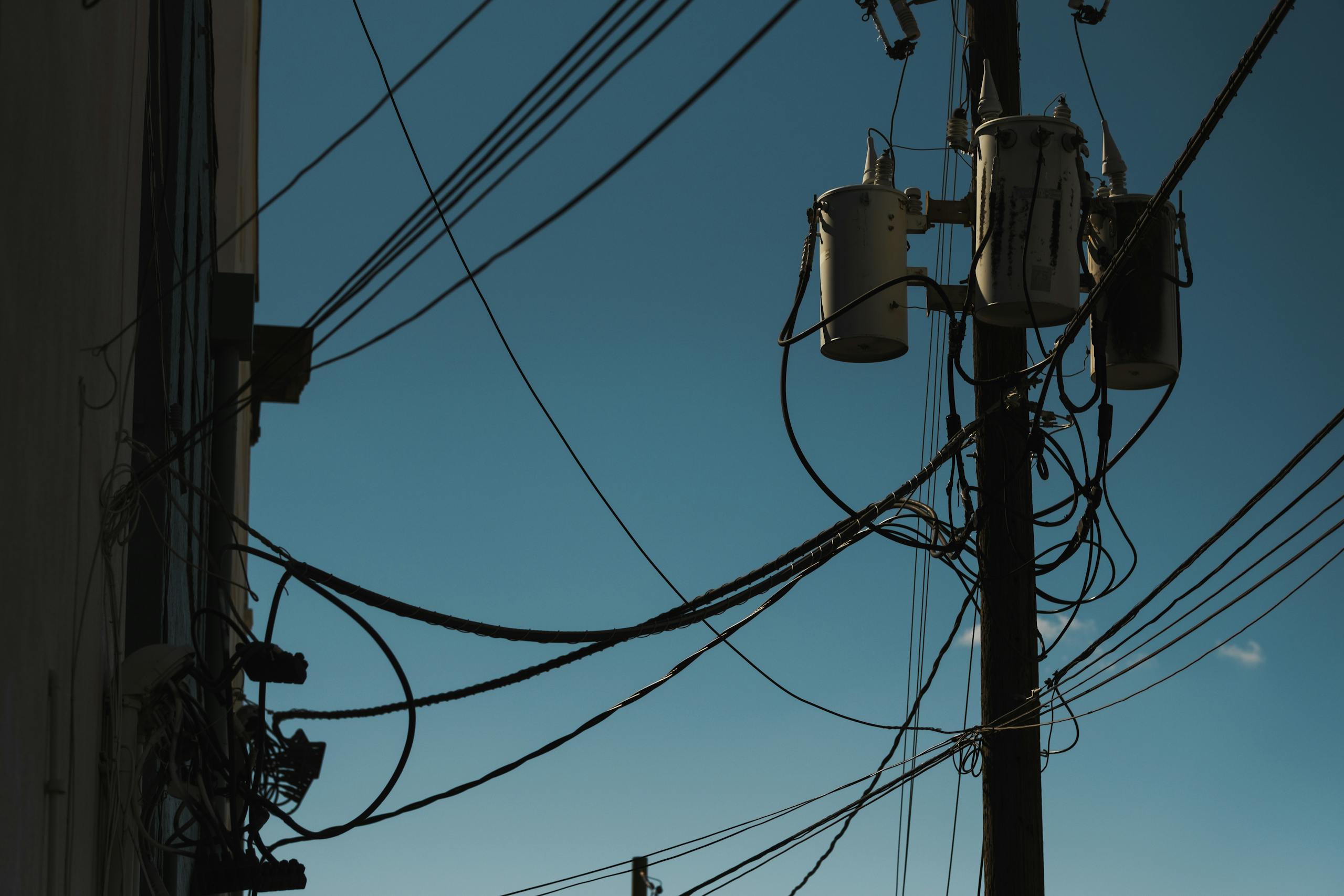
When conversations turn to the future of the electric grid, they often zoom in on individual technologies. Solar panels, wind turbines, batteries, nuclear reactors, and long transmission lines usually dominate the discussion. While all of these components matter, focusing on them in isolation can miss the bigger picture. A recent study led by Anton Rozhkov, an urban systems researcher at NYU Tandon School of Engineering, argues that the grid’s future is not just about hardware. It is about how policy, human behavior, and power systems interact over time to shape long-term outcomes.
Published in PLOS Complex Systems, the research takes a fresh approach by treating the electricity system as a complex, evolving organism. Instead of trying to predict precise numbers for future electricity generation or consumption, the study looks at broader trends and system behavior under different long-term scenarios. The goal is to understand how the grid’s direction changes depending on the choices societies make today.
Looking at the Grid as a Complex System
At the heart of Rozhkov’s work is the idea that energy systems behave like complex systems rather than simple machines. In complex systems, outcomes emerge from interactions between many elements, including technology, regulations, market structures, and human decisions. Small changes in one area can ripple through the entire system over time.
Rather than producing a single forecast, the study explores trajectories. It asks questions like whether emissions trend up or down, how fast decentralization happens, and how steep the changes are under different assumptions. This approach avoids the trap of false precision and instead focuses on understanding the direction and speed of change, which is often more useful for long-term planning.
Why Northern Illinois Was Chosen
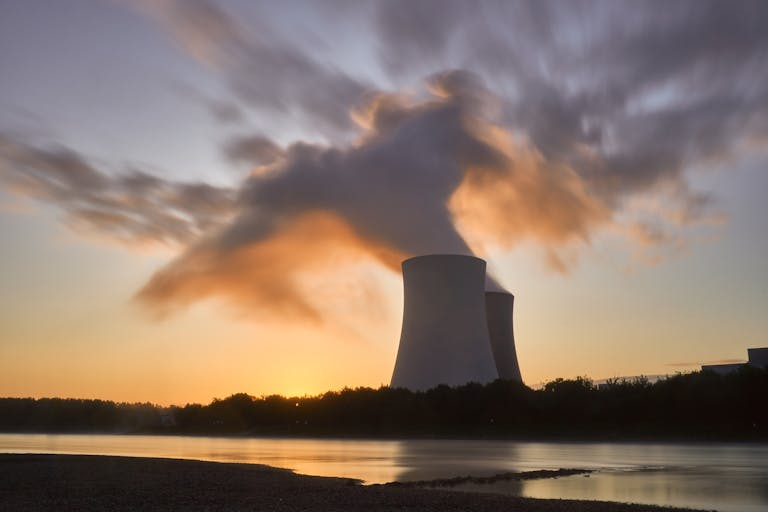
The model focuses on the electricity system of Northern Illinois, specifically the service territory of Commonwealth Edison (ComEd). This region offers a particularly interesting case study because Illinois has a distinctive energy mix. Unlike many U.S. states, Illinois relies heavily on nuclear power, which already provides a large share of low-carbon electricity.
This makes the state’s transition to a cleaner energy system more complicated than a straightforward swap from fossil fuels to renewables. Nuclear power changes the baseline and forces policymakers and utilities to think differently about how renewables, storage, and demand-side changes fit into the system.
How the Model Works
Rozhkov uses a system dynamics framework, a modeling method designed to capture feedback loops and interactions over long periods. The model includes both electricity generation and electricity demand, reflecting how supply and consumption influence each other.
The simulations run across a 50-year horizon, allowing long-term patterns to emerge. Instead of assuming a fixed future, the model explores how different choices and conditions push the system along different paths.
Five Broad Scenarios for the Future
From the baseline model of Northern Illinois, the study examines five broad scenarios. Some of these focus primarily on technology, while others emphasize policy or changes in how people live and consume energy.
One set of scenarios looks at futures dominated by renewable energy, both with and without large-scale battery storage. These scenarios explore what happens when renewables become the backbone of the grid and how storage affects reliability and costs.
Another scenario aligns with Illinois’s Climate and Equitable Jobs Act, which sets a goal of achieving economy-wide climate neutrality by 2040. This policy-driven scenario examines how strong regulatory targets influence emissions, costs, and system structure.
Other scenarios explore behavioral and urban development changes, such as denser cities and widespread adoption of distributed energy resources. These include rooftop solar panels, neighborhood-scale generation, and local energy sharing.
What the Model Reveals About Decentralization
One of the most striking findings emerges when decentralized energy production becomes widespread. In scenarios where households and communities generate their own electricity and can sell excess power back to the grid, demand for centralized generation steadily declines.
This shift has major implications for utilities and markets. It suggests that utilities will need to produce and manage energy differently in the future, and that electricity markets must adapt to a world where consumers are also producers. In Illinois’s deregulated electricity market, this transition is already partially enabled, as customers are allowed to sell surplus electricity back to the grid.
The Central Role of Policy
A key concept running through the study is what Rozhkov calls a policy-driven transition. Policy is not a physical part of the grid, but it acts as a powerful force that shapes decisions across the system. Incentives, tax credits, regulations, and market rules can all push households and businesses toward cleaner energy choices.
The study highlights how policy can overcome natural disadvantages. For example, some northeastern U.S. states have relatively limited sunlight, yet strong solar incentives have made rooftop installations financially attractive. In these cases, policy can tip people from hesitation into action, accelerating adoption even when conditions are not ideal.
People as Active Participants in the Grid
Another important theme is the changing role of people in the energy system. As distributed energy becomes more common, the traditional line between consumer and producer starts to blur. Households, buildings, and districts increasingly act as active participants, not just passive users.
Beyond cost savings, decentralization can also improve resilience. During outages or extreme weather events, communities with local generation and storage can maintain power even when the main grid fails. This resilience aspect adds another layer of value to decentralized systems.
No Single Solution Is Enough
One of the clearest conclusions of the research is that no single lever can drive a successful energy transition on its own. Technology alone cannot deliver the desired outcomes. Policy without supportive technology falls short. Changes in behavior need both technological options and regulatory support to take hold.
The scenarios that perform best combine strong policy frameworks, technological change, and shifts in behavior and urban design. The transition emerges from the interaction of all these elements, not from any one in isolation.
Why This Research Matters Beyond Illinois
Although the model was built for Northern Illinois, it is designed to be adaptable. With sufficient data, the same framework could be applied to other regions, from dense urban areas like New York City to energy-heavy states like Texas.
This opens the door to comparing regions with very different regulatory environments and natural conditions. Future research could help answer whether policy or geography plays a larger role in driving renewable adoption and decentralization.
Additional Context: Why Complex Systems Thinking Matters for Energy
Energy systems are becoming more complex as renewables, storage, electric vehicles, and smart technologies spread. Traditional planning methods, which often assume stable demand and centralized control, struggle to keep up with this complexity.
System dynamics modeling offers a way to explore long-term consequences without pretending to predict exact outcomes. It helps policymakers and planners see how feedback loops, delays, and unintended consequences might shape the grid over decades.
Additional Context: The Rise of Distributed Energy
Distributed energy resources are already reshaping electricity markets worldwide. Rooftop solar, community solar projects, microgrids, and battery storage are giving consumers more control and changing how value flows through the system.
As these technologies spread, questions about equity, access, and market design become increasingly important. Policies that encourage adoption while ensuring fairness will play a major role in determining who benefits from the energy transition.
What Comes Next
Rozhkov’s next research steps include comparing states with contrasting policies, examining whether regulations or natural conditions are the main drivers of renewable adoption, and digging deeper into the behavioral factors that influence why people choose to adopt distributed energy systems.
Taken together, the study offers a clear message: the future of the electric grid will be shaped not just by wires and generators, but by the choices societies make, the policies they adopt, and the ways people engage with energy in their daily lives.
Research paper:
https://journals.plos.org/complexsystems/article?id=10.1371/journal.pcsy.0000083