Mental Health Therapy – A Detailed Guide
I used to think therapy was something people only turned to when things were really falling apart. You know—crisis mode. But over time, I’ve realized that’s a pretty limited view. Mental health therapy is less about “fixing what’s broken” and more about understanding yourself better. It’s like having a dedicated space where you can unpack your thoughts without judgment.
In today’s fast-paced world, stress, anxiety, and burnout are almost normalized. That’s exactly why therapy matters more than ever. Whether someone is dealing with major life transitions, relationship struggles, or just a constant sense of overwhelm, therapy offers tools to navigate it all. And honestly, you don’t need a “big problem” to benefit—sometimes curiosity about your own mind is reason enough to start.
Types of Mental Health Therapy
When I first looked into therapy, I was surprised by how many different approaches exist. It’s not a one-size-fits-all situation at all. Each type has its own style, goals, and methods, which means finding the right fit can make a huge difference.
Cognitive Behavioral Therapy (CBT)
If there’s one type you’ll hear about the most, it’s CBT—and for good reason. It’s practical, structured, and focused on the present. The idea is simple: your thoughts, feelings, and behaviors are all connected. Change one, and you can influence the others.
For example, imagine someone who constantly thinks, “I’m terrible at my job.” That thought can lead to anxiety, which might cause them to avoid challenges, which then reinforces the belief. CBT helps break that cycle by questioning those thoughts and replacing them with more realistic ones.
I’ve seen people use CBT techniques like journaling or thought tracking to catch negative patterns in real time. It’s not about pretending everything is great—it’s about challenging thoughts that aren’t actually helping you.
Psychodynamic Therapy
This one digs deeper—literally. Psychodynamic therapy is all about exploring how your past influences your present. Think childhood experiences, early relationships, and even unconscious patterns.
At first, it might sound a bit abstract, but here’s a relatable example: someone who struggles with trust in relationships might, through therapy, realize it connects back to inconsistent caregiving growing up. That awareness alone can be powerful.
What I find interesting about this approach is that it’s less about quick fixes and more about long-term insight. You start to notice patterns like, “Why do I always react this way?” And once you see it, you can start to change it.
Humanistic Therapy
This approach feels more… personal. Humanistic therapy focuses on growth, self-acceptance, and becoming the best version of yourself.
Instead of analyzing you, the therapist creates a supportive space where you can explore who you are and what you want. It’s very centered on empathy and genuine connection.
For example, someone feeling stuck in life—maybe in a career they don’t love—might use humanistic therapy to reconnect with their values and passions. It’s less about diagnosing a problem and more about asking, “What does a fulfilling life look like for you?”
I think this type really resonates with people who want to feel heard rather than “treated.”
Dialectical Behavior Therapy (DBT)
DBT is often used for people dealing with intense emotions, but honestly, its tools can help almost anyone. It combines acceptance and change—two things that don’t always come naturally together.
One of the core ideas is learning to sit with difficult emotions without letting them take over. Skills like mindfulness, distress tolerance, and emotional regulation are central here.
Picture someone who tends to react impulsively during conflicts—maybe sending texts they regret later. DBT teaches techniques to pause, regulate emotions, and respond more thoughtfully.
What stands out to me is how practical it is. You’re not just talking—you’re learning real-life skills you can use immediately.
Group Therapy
This one can feel intimidating at first—I mean, opening up in front of strangers isn’t exactly easy. But group therapy has something unique: shared experience.
Hearing others talk about similar struggles can be incredibly validating. It reminds you that you’re not alone in what you’re feeling.
For instance, someone dealing with social anxiety might join a group and realize others have the same fears. Over time, just participating in the group becomes part of the healing process.
There’s a kind of support here that’s hard to replicate one-on-one. People often learn not just from the therapist, but from each other.
Online / Teletherapy
This is probably the most accessible option today, especially in the U.S. With busy schedules and long commutes, being able to attend therapy from home is a game changer.
Platforms like BetterHelp or Talkspace have made it easier than ever to connect with licensed therapists. And while some people worry it’s less effective, studies show that online therapy can be just as impactful as in-person sessions for many issues.
I’ve noticed that for people who feel anxious about stepping into a therapist’s office, this can be a great starting point. It lowers the barrier and makes the whole experience feel more approachable.
What really stands out across all these approaches is this: there’s no single “right” way to do therapy. It’s about finding what clicks for you, your personality, and your goals. And sometimes, that takes a bit of trial and error—and that’s completely okay.
How Therapy Works: What to Expect
If you’ve never been to therapy before, it can feel a little mysterious. I remember wondering, “Do I just sit there and talk about my childhood for an hour?” The reality is a lot more practical—and honestly, more human—than that.
The First Session: Getting to Know You
The first session is usually more like a conversation than anything else. Your therapist will ask questions about your background, what’s been going on in your life, and what brought you there in the first place. It’s not an interrogation—it’s more like laying the groundwork so they can understand your world.
For example, if someone comes in feeling constantly anxious, the therapist might ask about work, relationships, sleep habits, and even physical health. All of these pieces matter because mental health isn’t isolated—it’s connected to everything.
And here’s something I didn’t realize at first: you’re also evaluating the therapist. Do you feel comfortable? Do they listen well? That connection matters more than people think.
What Regular Sessions Feel Like
Most therapy sessions last around 45 to 60 minutes, and they usually happen once a week. But what actually happens during that time can vary a lot depending on the therapist and the approach.
Sometimes, you’ll talk through something that happened during your week—maybe a stressful meeting or an argument with a partner. Other times, the therapist might guide you through an exercise, like identifying thought patterns or practicing a coping strategy.
Let’s say you had a tough interaction at work where your boss criticized your project. A therapist might help you break it down:
- What did you feel in that moment?
- What thoughts ran through your mind?
- How did you respond?
This kind of reflection helps you see patterns you might not notice on your own. It’s like zooming out on your own life.
The Role of the Therapist vs. You
One thing that surprised me is that therapy isn’t about the therapist giving advice all the time. It’s much more collaborative.
Think of the therapist as a guide rather than a fixer. They’re trained to ask the right questions, challenge unhelpful patterns, and offer tools—but you’re the one doing the real work.
For example, if someone struggles with procrastination, the therapist won’t just say, “Stop procrastinating.” Instead, they might explore:
- What emotions come up when you start a task
- Whether fear of failure is involved
- How to break tasks into manageable steps
Over time, you start building skills that you can actually apply outside the session. And that’s the goal—therapy should help you function better in your everyday life, not just inside that room.
Progress Isn’t Always Linear
This is a big one. A lot of people expect therapy to feel like steady improvement week after week. But that’s not how it usually works.
Some sessions feel incredibly productive—you walk out thinking, “Wow, that really helped.” Other times, it might feel like you’re going in circles or even getting worse. That can be frustrating, but it’s actually part of the process.
Imagine someone working through grief. One week, they might feel more at peace. The next week, a memory hits them hard and they feel overwhelmed again. That doesn’t mean therapy isn’t working—it means they’re actually engaging with their emotions instead of avoiding them.
Building Trust Takes Time
Opening up about personal thoughts and experiences isn’t easy, especially with someone you’ve just met. That’s why trust is such a big part of therapy.
At first, you might hold back a little—and that’s completely normal. Over time, as you feel more comfortable, you start sharing more honestly. And that’s when therapy tends to become more impactful.
I’ve heard people say that the moment they stopped “editing” themselves in therapy was when things really started to change. Honesty creates progress.
Tools and Techniques You Can Actually Use
One of the most valuable parts of therapy is the practical tools you pick up along the way. These aren’t just theoretical ideas—they’re things you can use in real life.
For example:
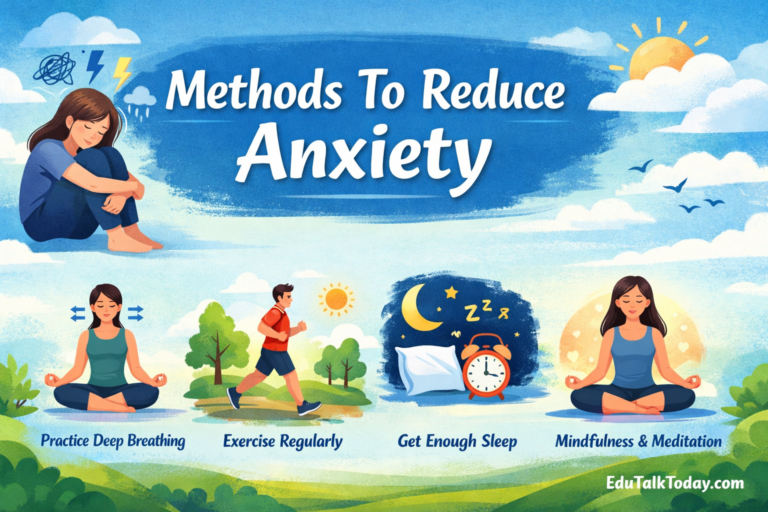
- Breathing techniques to manage anxiety in the moment
- Reframing negative thoughts when they pop up
- Setting boundaries in relationships
- Journaling prompts to process emotions
Let’s say someone feels overwhelmed before presentations. A therapist might teach grounding techniques or help them reframe thoughts like, “I’m going to mess this up” into something more balanced.
Over time, these tools become second nature. And that’s when you realize therapy isn’t just something you attend—it’s something you carry with you.
Benefits and Challenges of Therapy
Therapy gets talked about a lot these days, but I think it’s important to be honest about both sides—the good and the not-so-easy parts. Because while it can be incredibly helpful, it’s not some magical fix that works overnight.
The Real Benefits of Therapy
Let’s start with what therapy does well—because when it works, it really works.
Better Emotional Awareness
One of the biggest shifts people experience is simply understanding their emotions better. Instead of feeling overwhelmed or confused, you start to recognize what you’re feeling and why.
For example, someone might think they’re just “angry all the time,” but through therapy, they realize that anger is actually covering up stress or feeling unappreciated. That kind of insight can completely change how you respond.
Healthier Coping Mechanisms
We all cope with stress in different ways, but not all coping strategies are helpful. Therapy helps replace harmful habits with healthier ones.
Instead of shutting down during conflict, someone might learn to communicate more clearly. Instead of avoiding stress, they might learn how to face it in manageable ways.
And these changes don’t just stay in therapy—they show up in everyday life.
Improved Relationships
This one surprised me at first, but it makes sense. When you understand yourself better, your relationships tend to improve too.
You start setting clearer boundaries, communicating more honestly, and reacting less impulsively. For example, instead of snapping during an argument, you might pause and express what you’re actually feeling.
Better self-awareness leads to better connections.
Support During Tough Times
Sometimes, life throws things at you that are just hard to handle alone—loss, major transitions, burnout. Therapy provides a consistent, supportive space to process those experiences.
And having someone who listens without judgment? That alone can be incredibly powerful.
The Challenges People Don’t Always Talk About
Now let’s talk about the other side—because therapy isn’t always easy or convenient.
Finding the Right Therapist
This can be one of the biggest hurdles. Not every therapist will be the right fit, and sometimes it takes a few tries to find someone you connect with.
It’s a bit like dating, honestly. You might meet someone who’s qualified but doesn’t quite “get” you. And that’s okay—it doesn’t mean therapy won’t work, it just means you haven’t found your match yet.
Cost and Accessibility
In the U.S., therapy can be expensive, especially without insurance. Even with coverage, options might be limited.
Online therapy has made things more accessible, but cost is still a barrier for many people. It’s something that’s improving, but not as quickly as it should.
Emotional Discomfort
This is probably the part people underestimate the most. Therapy often involves talking about things you’ve avoided for a long time.
And that can be uncomfortable. You might leave a session feeling emotionally drained or unsettled. But here’s the thing—that discomfort is often where the growth happens.
Think of it like exercising a muscle you haven’t used in a while. It’s not always pleasant, but it’s necessary for progress.
Time and Commitment
Therapy isn’t a quick fix. It requires time, consistency, and effort. Skipping sessions or not engaging fully can slow down progress.
For example, someone working on anxiety might need months of consistent sessions to see lasting change. That kind of commitment can be tough, especially with busy schedules.
A Realistic Perspective
I think the most helpful way to look at therapy is this: it’s a process, not a solution you “complete.”
There will be moments where it feels incredibly helpful, and others where it feels slow or even frustrating. But over time, those small shifts add up.
You start reacting differently. Thinking differently. Feeling differently.
And one day, you might notice that something that used to overwhelm you… doesn’t hit the same way anymore. And that’s when it clicks—therapy isn’t about becoming a completely different person.
It’s about becoming a more aware, more capable version of yourself.
Before You Leave
If there’s one thing I’ve learned, it’s that therapy isn’t just for when things go wrong—it’s for understanding yourself on a deeper level. You don’t need to wait for a breaking point to start.
Whether you’re curious, struggling, or somewhere in between, exploring therapy is a step toward better self-awareness and healthier ways of navigating life. And honestly, that’s something most of us could use a little more of.