Weight Loss Plateaus and How to Break Through Them
I remember the first time my weight just… stopped moving. I was doing everything “right”—eating cleaner, working out consistently—and yet the scale wouldn’t budge for weeks. It felt frustrating, almost unfair. If you’ve been there, you know exactly what I mean.
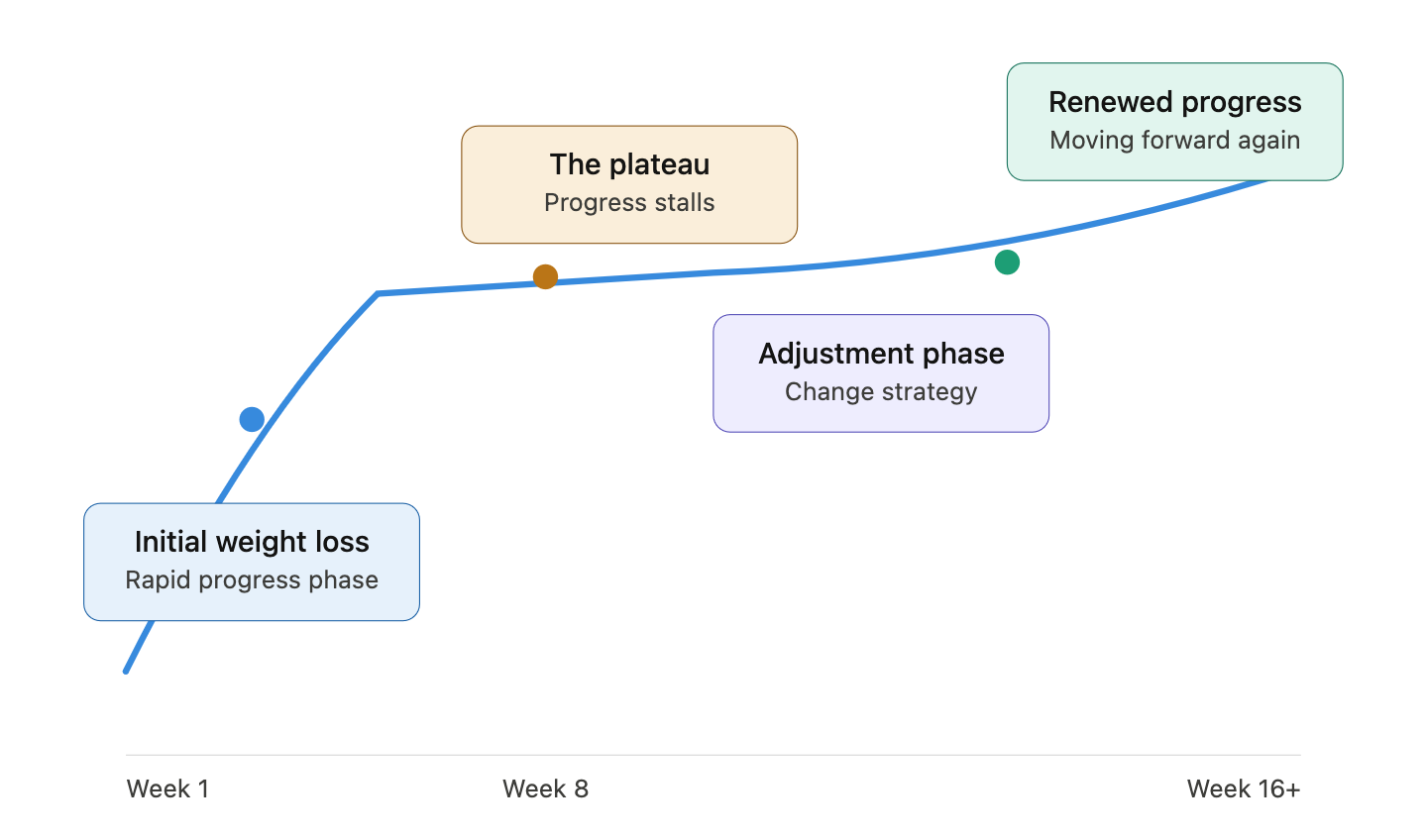
The truth is, weight loss plateaus are incredibly normal, and they don’t mean you’ve failed or that your body is “broken.” In fact, your body is actually doing what it’s designed to do—protect you. Once I understood that, things started to click.
Instead of seeing a plateau as a dead end, I began to look at it as a signal to adjust my approach. And that shift in mindset made all the difference. Let’s dig into why plateaus happen in the first place, because once you understand the “why,” breaking through becomes a whole lot easier.
Why Weight Loss Plateaus Happen
Your Body Adapts Faster Than You Think
One of the biggest surprises for me was realizing how quickly the body adapts. When you first start losing weight, especially if you’ve made big changes, your body responds pretty quickly. But over time, it gets used to your new routine.
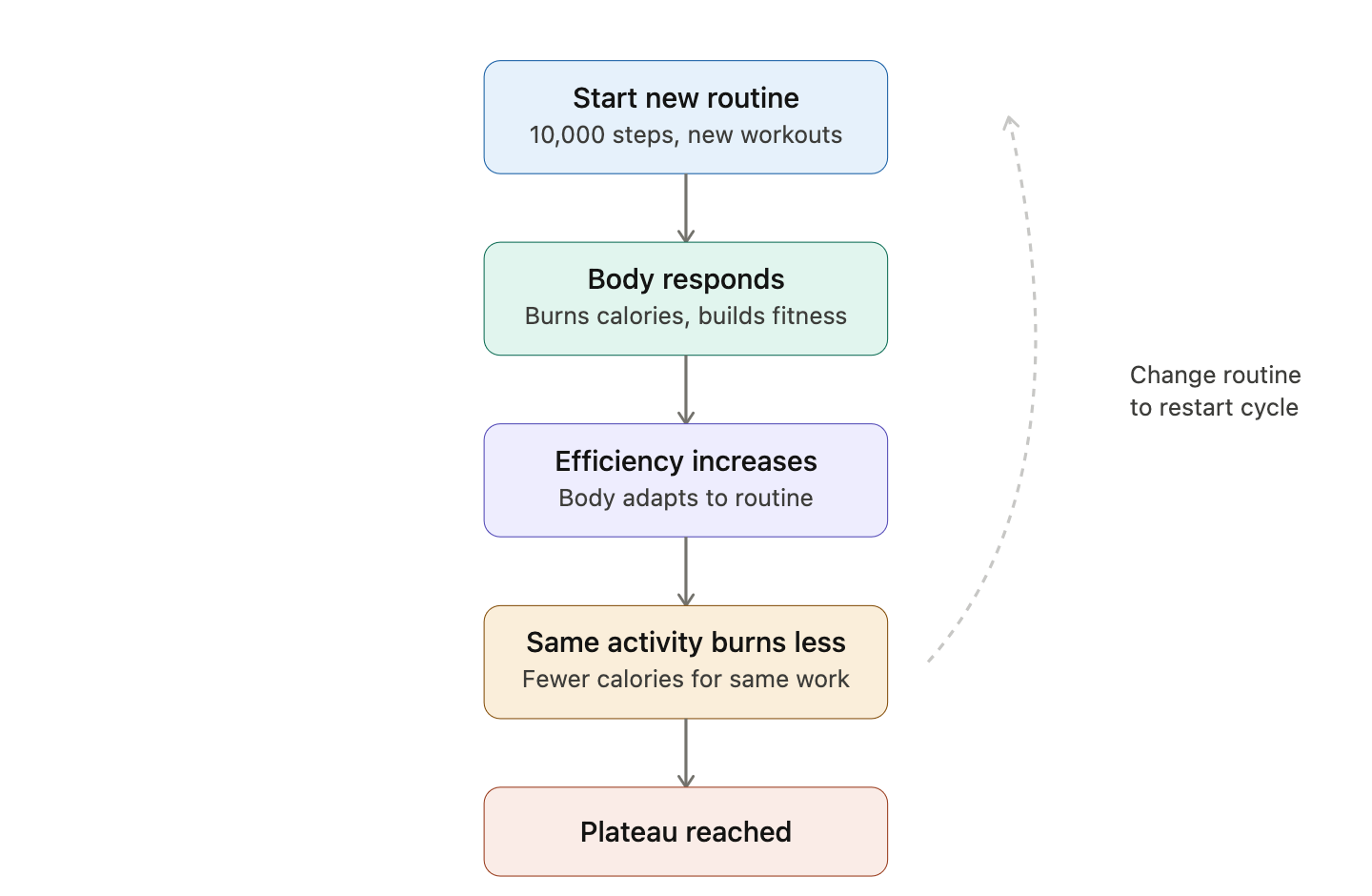
Think about it like this: when you start walking 10,000 steps a day, it feels like a challenge at first. But after a few weeks, it becomes your new normal. Your body becomes more efficient, which means it burns fewer calories doing the same activity.
This is called metabolic adaptation, and it’s a big reason why progress slows down. Your body isn’t trying to sabotage you—it’s just trying to conserve energy.
You Burn Fewer Calories as You Lose Weight
Here’s something that doesn’t get talked about enough: a smaller body requires fewer calories.
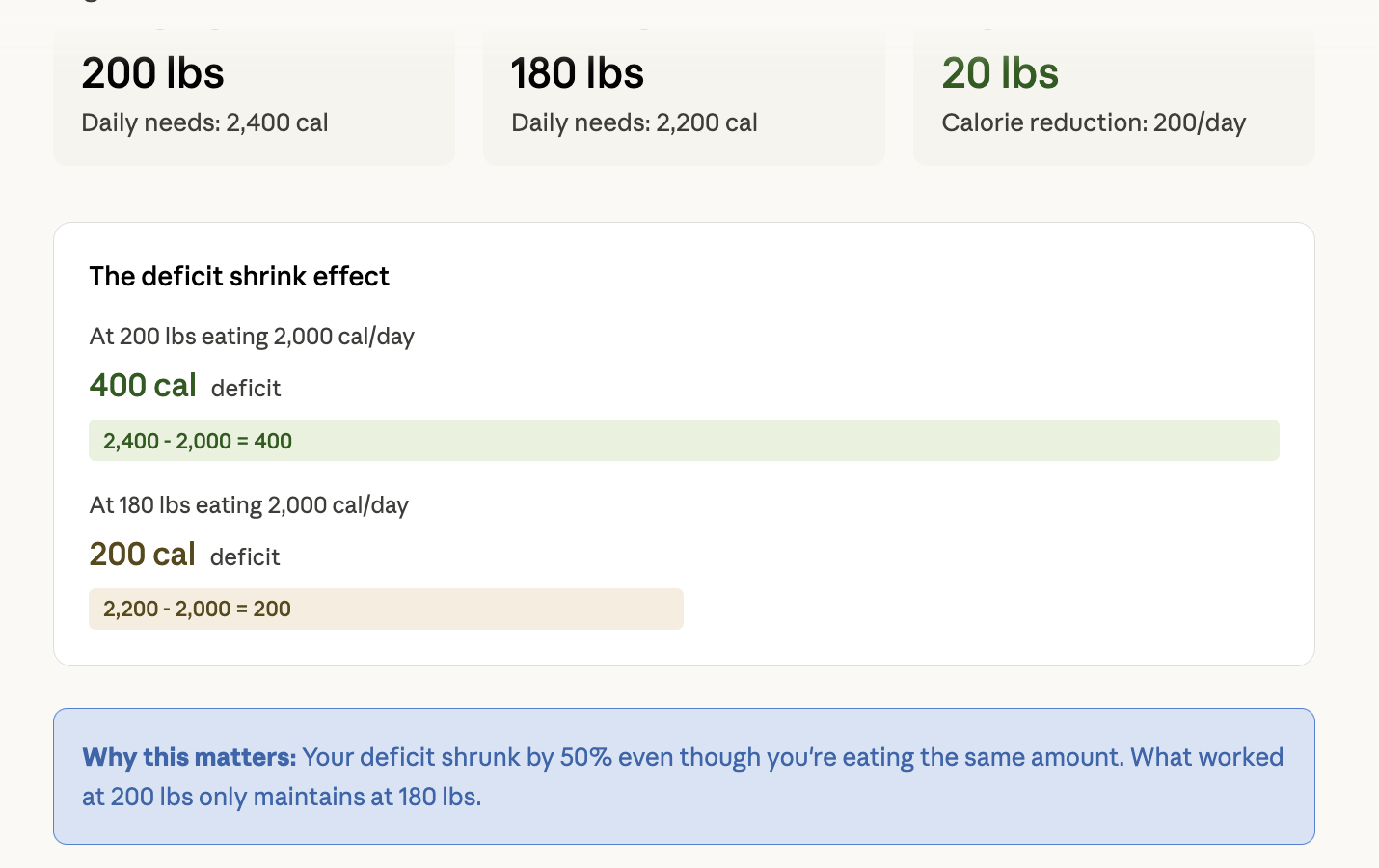
Let’s say you started at 200 pounds and were eating 2,000 calories a day to lose weight. After losing 20 pounds, your body simply doesn’t need as much energy to function. That same 2,000 calories might now be closer to maintenance instead of a deficit.
I’ve seen this happen so often. A friend of mine kept eating the exact same way after losing weight and couldn’t figure out why progress stalled. Once she slightly adjusted her intake, things started moving again.
It’s not about eating less drastically—it’s about realigning your intake with your current body.
Muscle Loss Can Slow Things Down
When you lose weight, you’re not just losing fat. You can also lose muscle, especially if you’re not doing resistance training or eating enough protein.
This matters because muscle is metabolically active, meaning it helps you burn more calories even at rest. Losing muscle can lower your overall calorie burn, making it harder to keep losing weight.
I learned this the hard way. I used to focus only on cardio, thinking more sweat meant more fat loss. But once I added strength training and increased my protein, I noticed my body composition improved—even when the scale didn’t move much.
So if you’re stuck, it’s worth asking: am I supporting my muscle, or slowly losing it?
Hormones Play a Bigger Role Than You Think
This part can feel a little frustrating, but it’s important. Your body uses hormones to regulate hunger, fullness, and energy balance.
When you lose weight, hormones like leptin (which signals fullness) tend to decrease, while ghrelin (which triggers hunger) can increase. In simple terms, your body starts nudging you to eat more and conserve energy.
Ever notice how cravings seem to spike during a plateau? That’s not just a lack of willpower—it’s biology.
For example, during one of my plateaus, I suddenly felt hungrier than usual, even though my habits hadn’t changed. Understanding that this was a hormonal response helped me handle it better instead of getting discouraged.
Lifestyle Factors Quietly Add Up
Sometimes, it’s not the big things—it’s the small, overlooked habits.
Stress, sleep, and daily routines all play a role in weight loss. Chronic stress can increase cortisol, which may encourage fat storage, especially around the midsection. Poor sleep can mess with hunger hormones and reduce your energy for workouts.
I’ve noticed that during busy or stressful weeks, even when my diet stays the same, my progress slows down. It’s like my body is saying, “Hey, something’s off.”
And then there’s routine. Doing the same workouts, eating the same meals, and following the same schedule can lead to stagnation. Your body gets comfortable—and comfort isn’t where change happens.
That’s why plateaus aren’t just about calories or workouts. They’re often a combination of physical, hormonal, and lifestyle factors working together. Once you start looking at the bigger picture, it becomes much easier to figure out what needs to change.
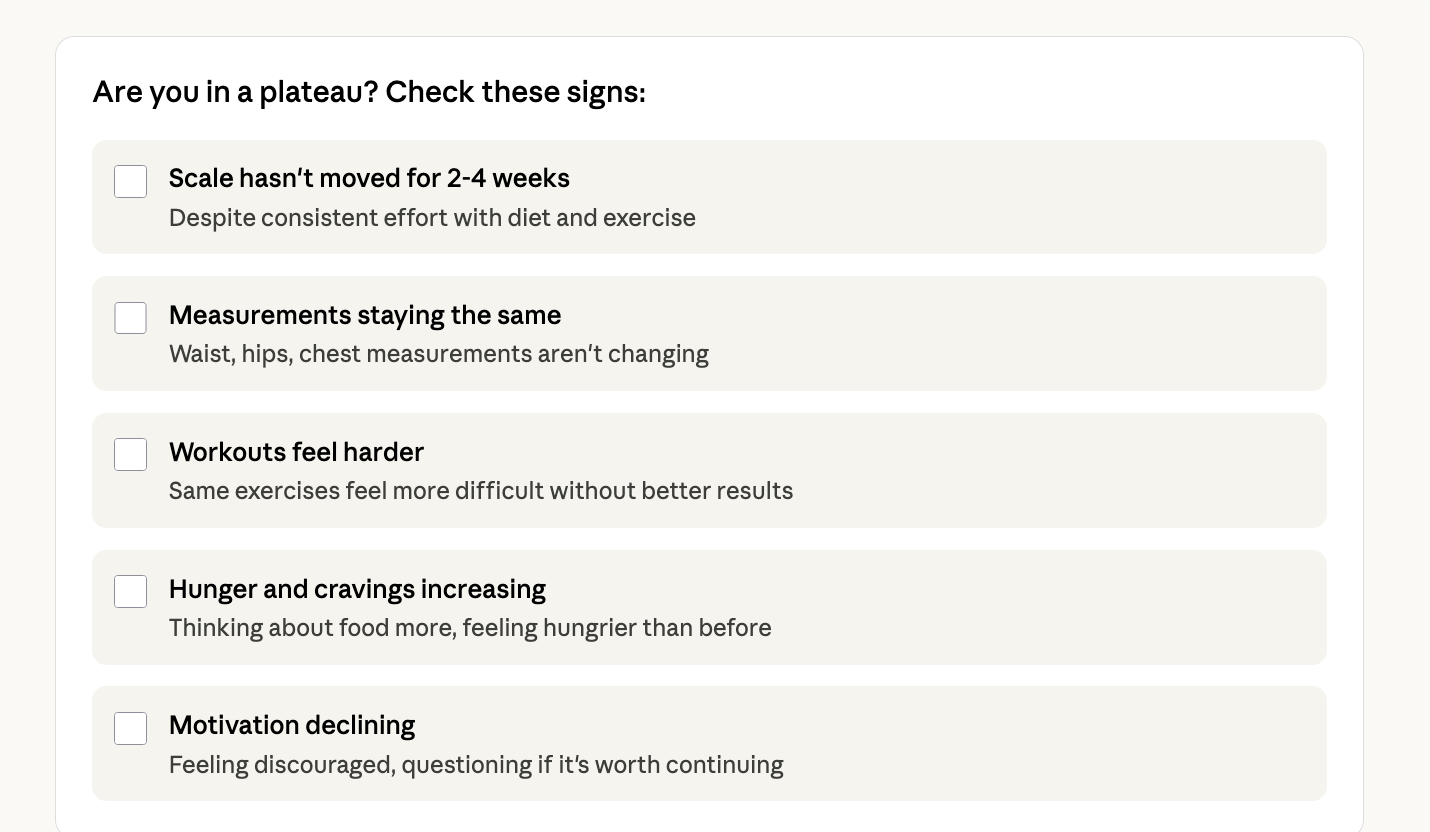
Signs You’re in a Plateau
The Scale Hasn’t Moved (Even Though You’re Trying)
This is usually the first red flag. You step on the scale week after week, expecting at least a small drop, and… nothing.
Now, let me be clear—weight fluctuations are normal. Your body can swing a few pounds up or down because of water retention, sodium intake, or even where you are in your sleep cycle. But if the scale hasn’t budged for two to four weeks despite consistent effort, that’s when you’re likely dealing with a plateau.
I’ve had weeks where I thought I was stuck, only to see a sudden drop later. But I’ve also had stretches where nothing changed for a month—that’s when I knew something deeper was going on.
Your Measurements Aren’t Changing Either
Sometimes people say, “Ignore the scale, focus on measurements,” which is great advice—until those stop changing too.
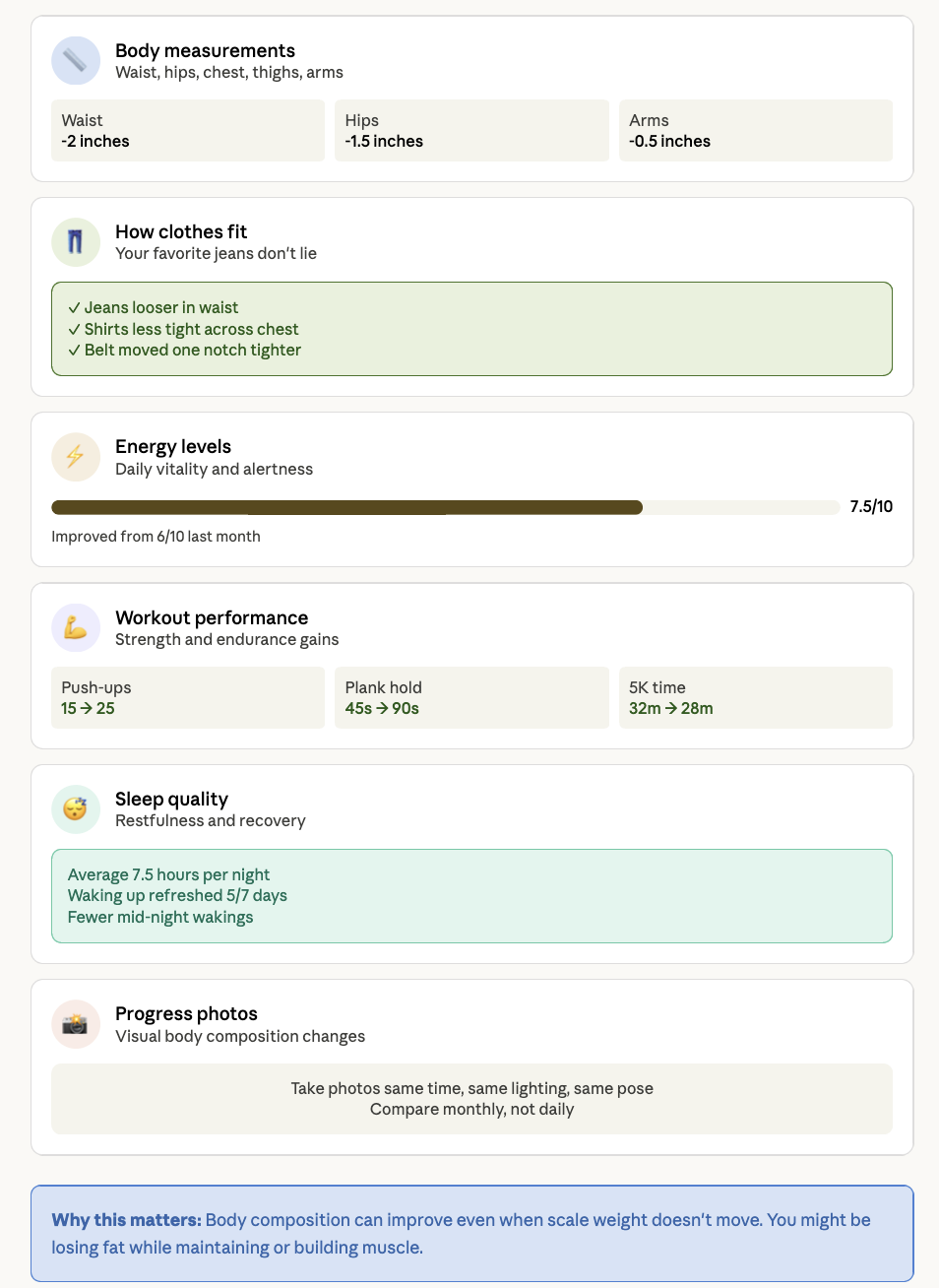
If your waist, hips, chest, and other measurements are staying the same, it’s a sign your body composition isn’t shifting much either.
For example, I once kept a pair of jeans as my “progress check.” During one plateau, those jeans fit exactly the same for weeks. No tighter, no looser. That’s when I realized I wasn’t just maintaining weight—I was maintaining everything.
Workouts Feel Harder Without Better Results
This one can feel especially discouraging. You’re pushing through workouts, maybe even harder than before, but you’re not seeing the payoff.
You might notice that your energy dips faster, or exercises that used to feel manageable suddenly feel tougher. That can happen when your body is in a prolonged calorie deficit or not recovering properly.
I remember hitting a phase where my runs felt sluggish, and my strength sessions felt heavier—even though I was doing the same routine. It wasn’t laziness. It was my body signaling fatigue.
Hunger and Cravings Start Creeping Up
This is a sneaky one. You might find yourself thinking about food more often or feeling hungrier than usual, even though your eating habits haven’t changed much.
As we talked about earlier, this often comes down to hormones. When your body senses prolonged weight loss, it may try to increase hunger signals to restore balance.
I’ve personally noticed this during plateaus—suddenly, snacks I used to ignore seemed way more appealing. It wasn’t about discipline slipping. It was my body adapting.
Your Motivation Takes a Hit
Let’s be honest—progress is motivating. Seeing results keeps you going. But when nothing changes, it’s easy to feel stuck or even question if it’s worth it.
You might start skipping workouts, being less mindful about food, or just feeling mentally drained. And honestly, that’s completely human.
During one of my plateaus, I remember thinking, “What’s the point if nothing’s changing?” That mental shift can be just as important to notice as physical signs.
Because here’s the thing: a plateau isn’t just physical—it’s emotional too. And recognizing that helps you respond with more awareness instead of frustration.
Practical Strategies to Break Through a Plateau
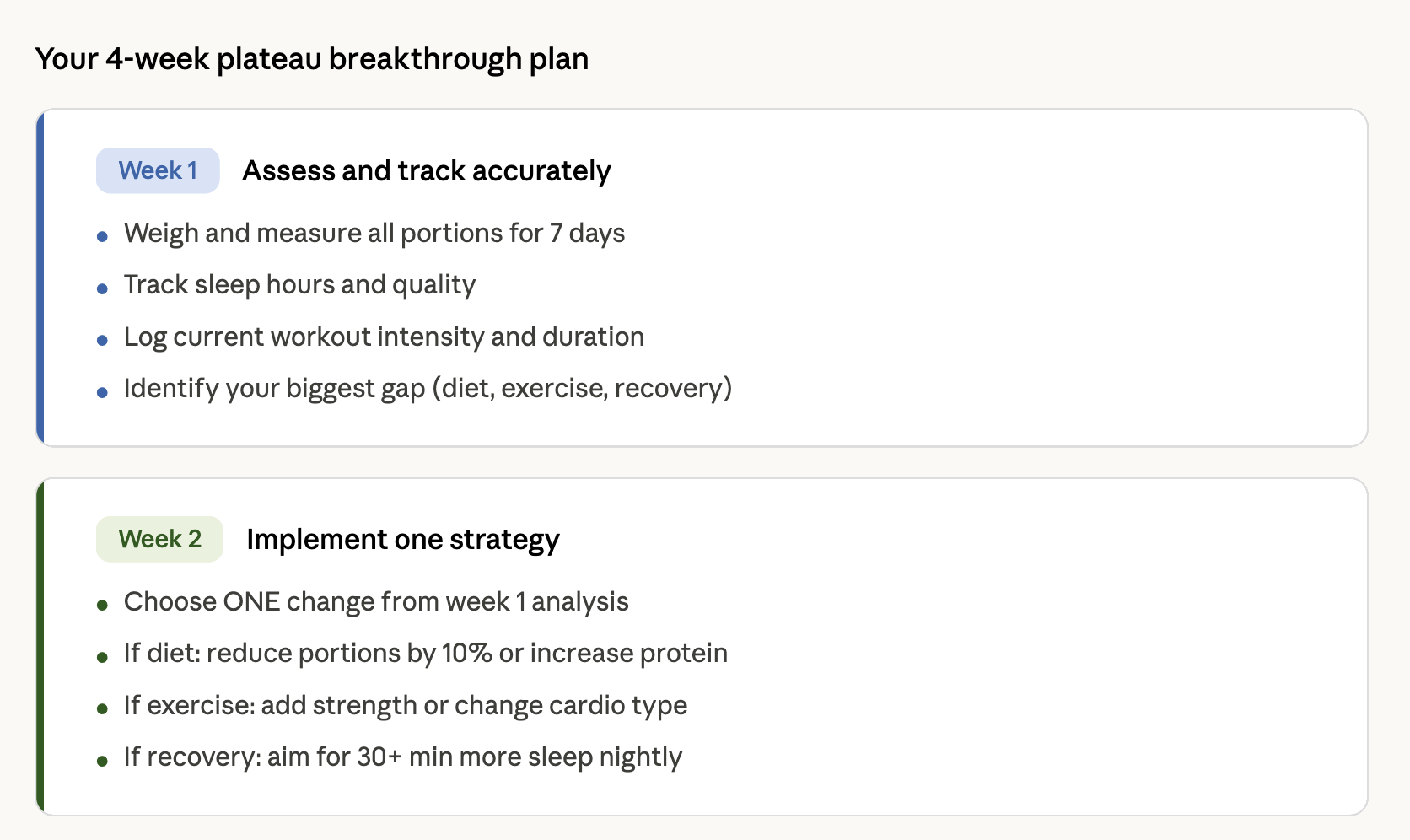
Revisit Your Calorie Intake (Without Going Extreme)
This is usually the first place I look. Not because I want to eat less, but because I want to eat smarter.
As your body changes, your calorie needs change too. That doesn’t mean slashing calories drastically—that often backfires. Instead, think about making small, intentional adjustments.
For example, if you’ve been eyeballing portions, try tracking more accurately for a week. I once realized my “healthy snacks” were adding up way more than I thought. Just tightening that up made a difference.
Prioritize Protein More Than You Think You Need
Protein is one of those things that seems simple, but it’s often underestimated. It helps preserve muscle, keeps you full, and supports recovery.
During one plateau, I increased my protein intake slightly—nothing dramatic—and it helped stabilize my hunger and improve my workouts.
If you’re not sure where to start, think about adding a solid protein source to every meal. It’s one of the easiest upgrades you can make.
Change Your Workout Stimulus
Doing the same workout over and over can lead to stagnation. Your body gets efficient, and efficiency means fewer calories burned and less challenge overall.
This doesn’t mean you need to overhaul everything. Sometimes, small tweaks work wonders.
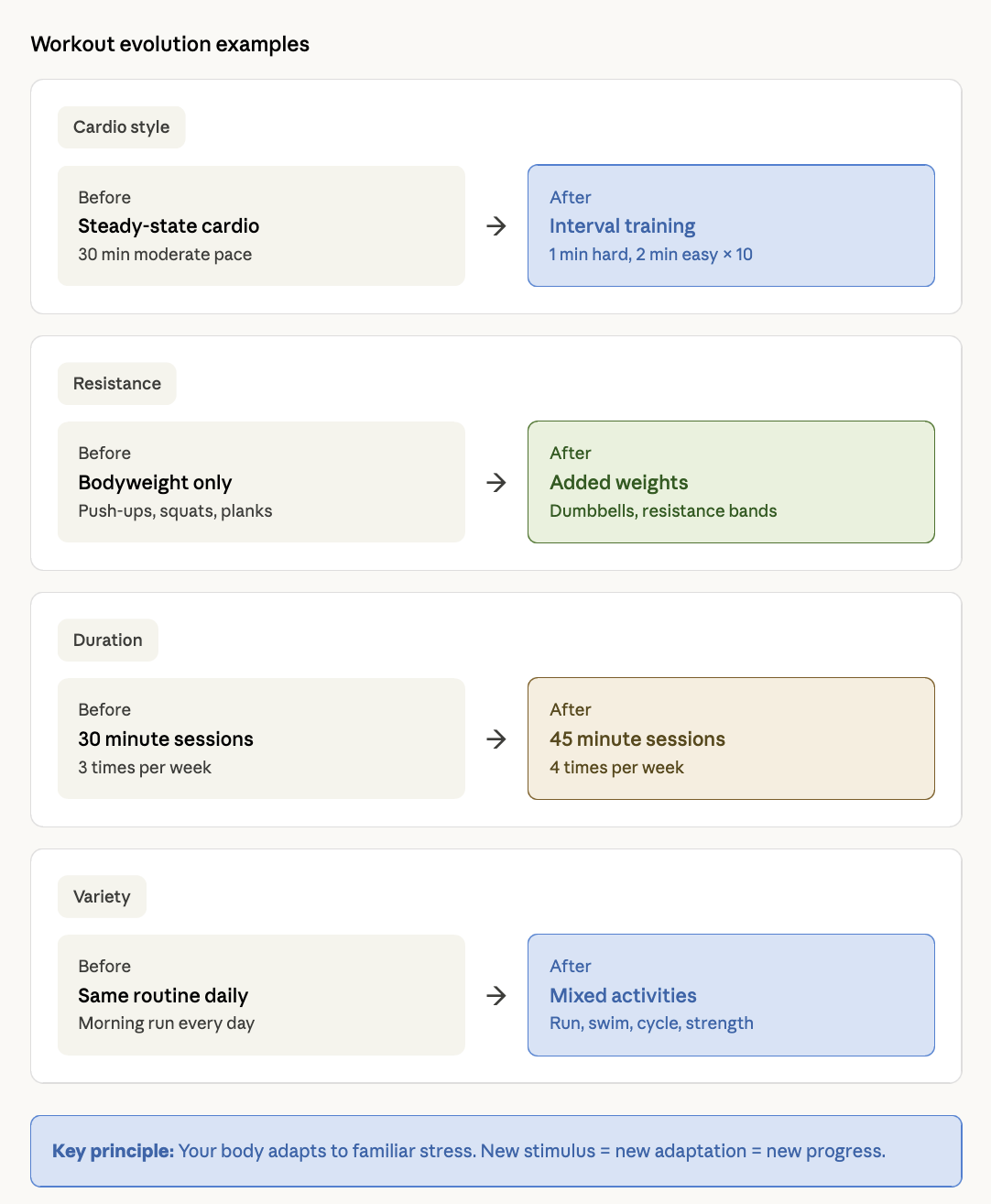
You could:
- Add strength training if you’ve been doing mostly cardio
- Increase weights or resistance
- Try interval training instead of steady-state cardio
- Change workout duration or intensity
I remember swapping out a few steady runs for interval sessions, and it shocked my system in a good way. New stimulus often leads to new results.
Don’t Underestimate Sleep and Recovery
This is the part most people skip—and I used to be one of them.
If you’re not sleeping well, your body is under stress. That affects hormones, recovery, and even how your body processes food.
There was a time when I was doing everything “right” except sleep. Once I fixed that—aiming for consistent, quality rest—my progress started moving again.
It’s not glamorous, but sleep is one of the most powerful tools you have.
Manage Stress (Even in Small Ways)
Stress doesn’t always feel obvious, but your body notices it.
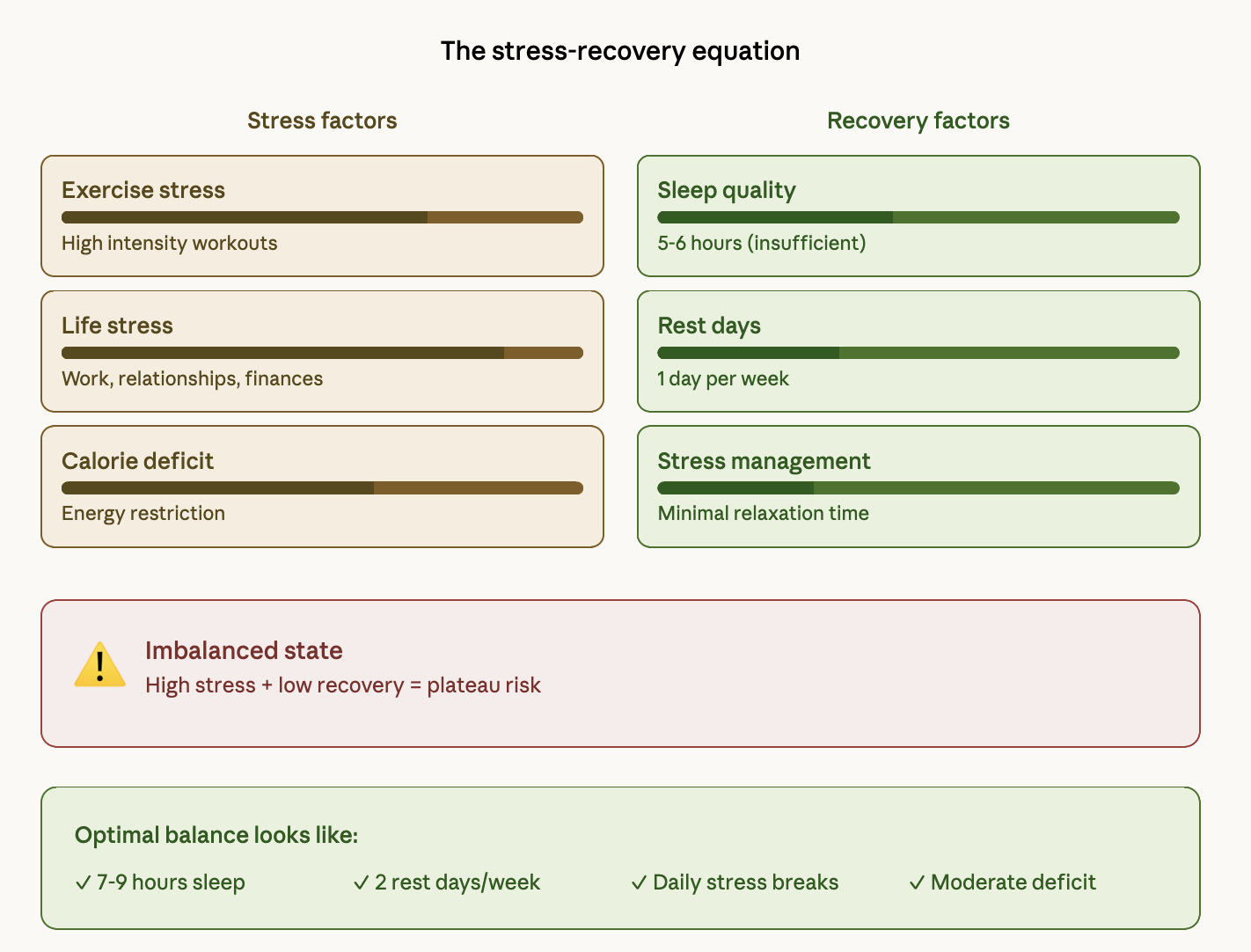
Chronic stress can keep your body in a state where it’s less willing to let go of fat. That doesn’t mean you need to eliminate stress completely—that’s not realistic.
But small things help:
- Taking short walks
- Practicing deep breathing
- Stepping away from screens
- Spending time doing something you enjoy
I’ve found that even a 10-minute break to reset can make a difference. It’s about creating moments where your body feels safe and relaxed.
Be More Consistent Than Perfect
This might sound simple, but it’s powerful. Plateaus often make us second-guess everything, leading to inconsistency.
Instead of jumping from one strategy to another, focus on showing up consistently. Consistency beats perfection every time.
I’ve had periods where I tried to “fix” a plateau by changing everything at once. It only made things more confusing. When I simplified and stayed consistent, progress eventually followed.
Consider Strategic Breaks or Refeeds
This might sound counterintuitive, but sometimes eating a bit more—intentionally—can help.
Refeed days or short diet breaks can give your body a signal that it’s not in a prolonged deficit. This may help regulate hormones and improve energy levels.
I’ve tried this during longer plateaus, and it helped me come back feeling more energized and focused. The key is to do it strategically, not as an excuse to go off track.
Before You Leave
If there’s one thing I want you to take away, it’s this: a plateau isn’t failure—it’s feedback. Your body is telling you it’s adapted, and now it’s time to adjust.
Instead of getting frustrated, try getting curious. What’s changed? What might your body need now?
Progress isn’t always linear, and honestly, that’s what makes it real.