How to Lose Weight Fast (+ While You Have a Busy Schedule)
If you’ve ever felt like getting in shape is only for people with tons of free time, you’re not alone. I used to think the same thing—like unless I had an hour for the gym and time to cook perfect meals, it just wasn’t going to happen. But here’s the truth I learned the hard way: you don’t need more time, you need a smarter approach.
Most of us are juggling work, errands, maybe family, and a never-ending to-do list. So yeah, the idea of “fast weight loss” can sound either unrealistic or downright unhealthy. But it doesn’t have to be. When you understand how your body actually works, you can start making small, strategic changes that fit into your day instead of taking it over. And those small changes? They add up faster than you think.
The Truth About Fast Weight Loss
Let’s clear something up right away. When people say “lose weight fast,” it often brings to mind extreme diets, cutting carbs completely, or doing two workouts a day. I’ve tried some of those things before, and honestly? They either burned me out or didn’t last.
What I’ve come to understand is that “fast” doesn’t mean extreme—it means efficient and consistent.
What “Fast” Actually Means
A healthy rate of weight loss is usually around 1–2 pounds per week. That might not sound exciting, but here’s the interesting part: if you stay consistent, that’s 8–10 pounds in a couple of months. And more importantly, it’s weight that stays off.
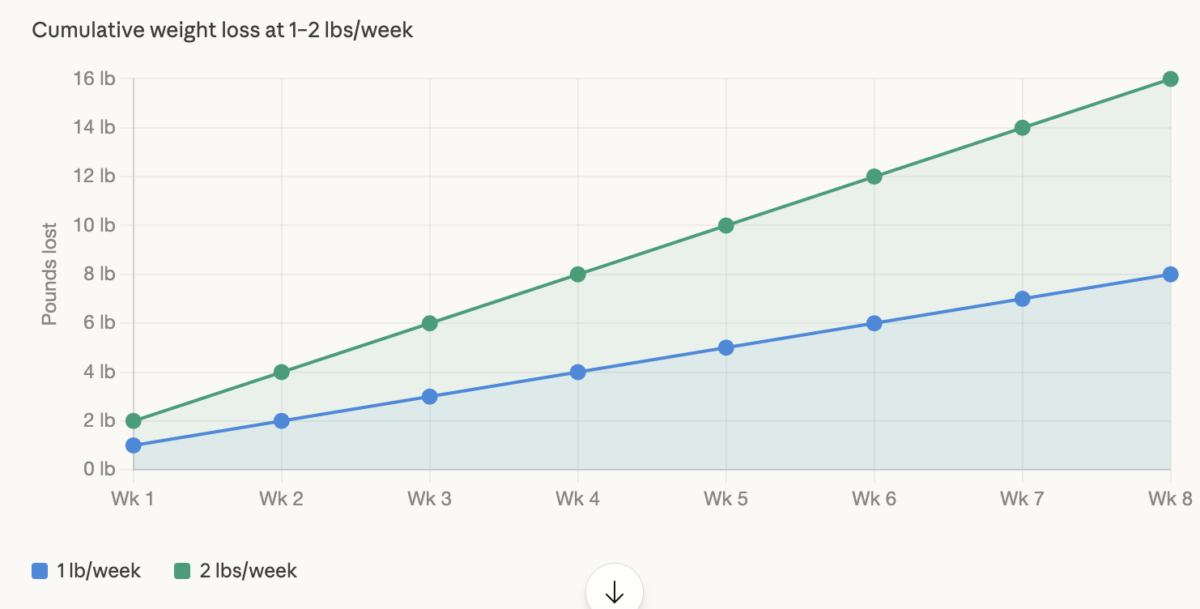
When people drop weight super quickly—like 10 pounds in a week—it’s often water weight or muscle loss, not fat. And that’s why it comes back just as fast. I remember cutting carbs aggressively once and dropping weight in days, only to gain it back the moment I ate normally again. It felt like failure, but really, it was just the wrong approach.
The Real Driver: Calorie Balance
At the core of weight loss is something surprisingly simple: calories in vs. calories out.
Your body uses energy (calories) for everything—walking, thinking, even sleeping. If you consistently eat more calories than you burn, you gain weight. If you eat slightly less than you burn, you lose weight.
That’s it. No magic.
But here’s where it gets practical. Let’s say your body needs around 2,200 calories a day to maintain your weight. If you eat around 1,800–2,000 calories consistently, you’re creating a small deficit. Over time, your body starts using stored fat for energy.
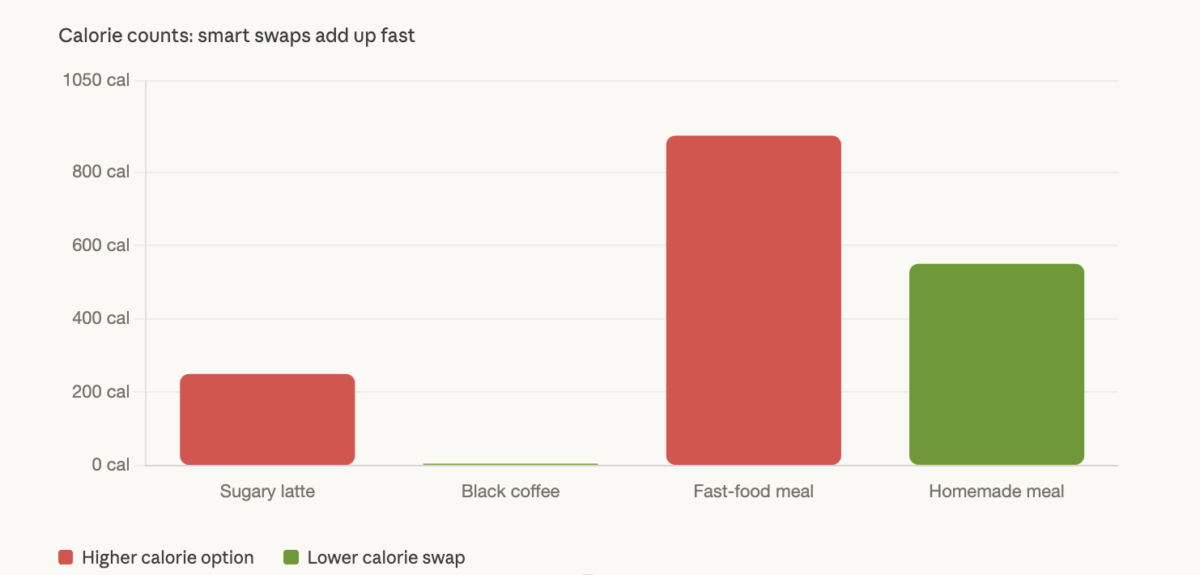
What surprised me was how small changes made a difference. Swapping a sugary latte for black coffee saved me around 200 calories. That alone, over a week, adds up more than you’d expect.
Why Consistency Beats Intensity
This is something I wish someone had told me earlier: doing something small every day beats doing something intense once in a while.
You don’t need to crush yourself with a 90-minute workout. In fact, if your schedule is packed, that’s probably not realistic anyway. But a 15-minute workout you actually stick to? That’s powerful.
Think about it like brushing your teeth. You don’t brush once a week for an hour—you do it daily for a few minutes. Weight loss works the same way. It’s about habits, not heroic effort.
I’ve had weeks where I only managed quick workouts and basic meals, and guess what? I still made progress. Not because it was perfect, but because it was consistent.
Metabolism and Daily Habits
A lot of people blame their metabolism, and I get it—it can feel like some people just have it easier. But here’s what I’ve learned: your daily habits influence your metabolism more than you think.
Things like:
- Moving throughout the day (not just workouts)
- Getting enough sleep
- Eating enough protein
All of these play a role in how your body burns energy.
For example, when I started prioritizing protein—things like eggs, chicken, Greek yogurt—I noticed I stayed full longer and snacked less. That alone helped reduce my calorie intake without feeling restricted.
And sleep? Huge. On days when I slept poorly, I craved junk food way more. It wasn’t about willpower—it was my body looking for quick energy.
Common Mistakes Busy People Make
When life gets hectic, it’s easy to fall into patterns that actually slow down weight loss—even if you’re trying to do the right thing.
Skipping Meals
It sounds logical: eat less, lose weight faster. But skipping meals often backfires. You end up starving later and overeating without even realizing it.
I’ve skipped lunch thinking I was being “disciplined,” only to demolish a huge dinner and snacks afterward. Your body doesn’t forget—it catches up.
Relying on Fast Food
When you’re busy, convenience wins. I get it. But most fast food is high in calories and low in nutrients, which means you’re still hungry soon after eating.
A quick example: a fast-food burger meal can easily hit 800–1,000 calories. Compare that to a simple homemade meal—grilled chicken, rice, and veggies—which might be 500–600 calories and way more filling.
Lack of Sleep
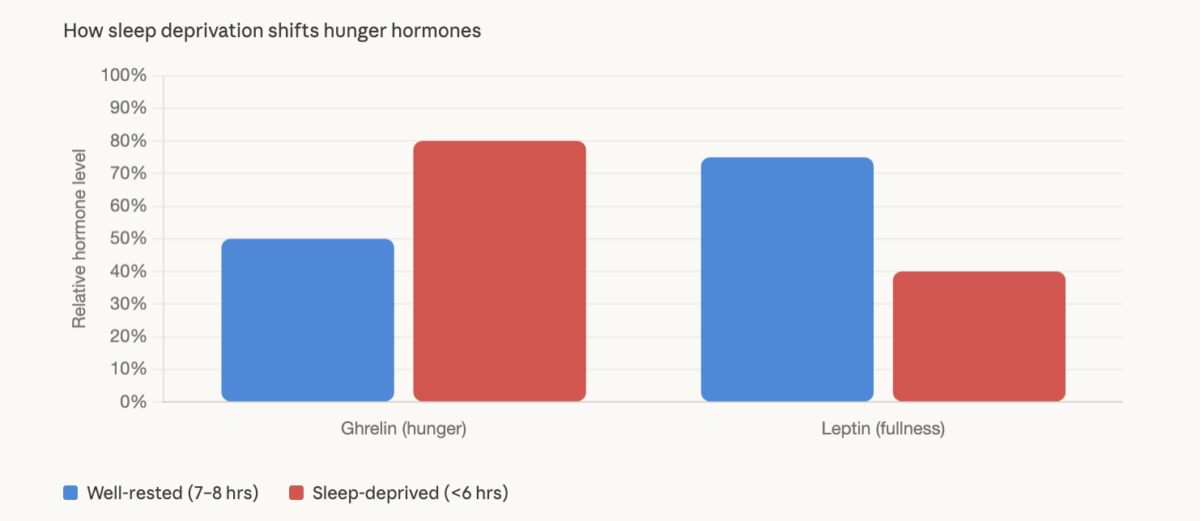
This one gets overlooked a lot. But sleep directly affects your hunger hormones.
When you don’t sleep enough, your body produces more ghrelin (the hunger hormone) and less leptin (the fullness hormone). Translation: you feel hungrier and less satisfied.
I’ve noticed that when I get 6–7 hours of solid sleep, everything feels easier—eating better, moving more, even staying motivated.
At the end of the day, fast weight loss isn’t about doing everything perfectly. It’s about understanding what actually works and applying it in a way that fits your life. And once you get that part right, things start to feel a lot more doable.
Practical Weight Loss Strategies for Busy Schedules
Let’s get real—most advice out there assumes you’ve got time to cook elaborate meals and spend an hour at the gym. But if your day looks anything like mine used to—back-to-back work, random errands, and barely enough time to breathe—you need strategies that actually fit into your life.
The good news? You don’t need more time—you need better systems.
Nutrition Hacks That Actually Work
Food is where most of your results come from. You can outwork a bad diet for a little while, but eventually, it catches up. The trick is making eating well feel easy, not like another chore.
- Meal prep just enough, not perfectly
You don’t need to prep every single meal for the week. Even prepping 2–3 meals ahead can save you from those “I’ll just order something” moments. I usually cook a batch of grilled chicken and rice—it’s basic, but it works. - Prioritize protein without overthinking it
Protein keeps you full and helps maintain muscle while losing fat. Think eggs for breakfast, chicken or tofu for lunch, maybe Greek yogurt as a snack. It’s less about perfection and more about consistency. - Keep “lazy healthy” options around
Not every meal needs to be Instagram-worthy. Pre-washed salad kits, rotisserie chicken, protein bars—these are lifesavers when you’re tired. I always keep a few backup options so I don’t default to junk food. - Watch your drinks more than your meals
This one surprised me. Sugary drinks can add hundreds of calories without making you feel full. Swapping soda or sweet coffee for water or black coffee can make a noticeable difference without changing your meals at all.
Time-Efficient Workouts That Fit Real Life
Let’s drop the idea that workouts have to be long to be effective. They don’t. In fact, short, focused workouts often work better for busy people because you actually stick to them.
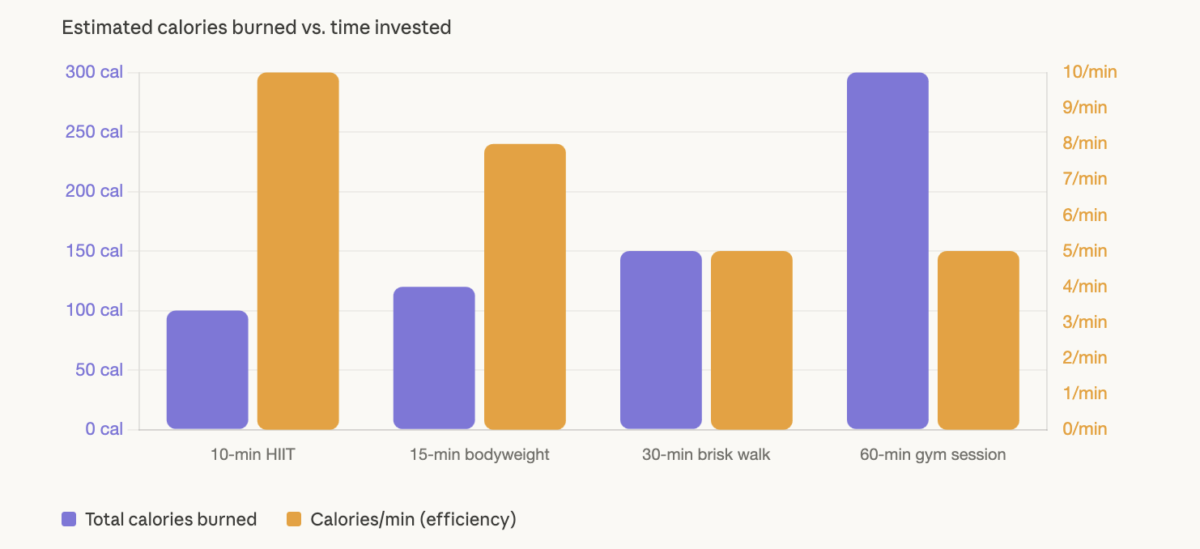
- Try 10–20 minute workouts
You can do a quick circuit at home—push-ups, squats, jumping jacks. No equipment needed. I’ve had weeks where this was all I did, and it still kept me on track. - Use HIIT when you’re short on time
High-Intensity Interval Training sounds fancy, but it’s basically short bursts of effort followed by rest. For example, 30 seconds of fast movement, 30 seconds of rest, repeated for 10–15 minutes. It’s efficient and gets your heart rate up quickly. - Turn daily movement into exercise
This is underrated. Walking while on calls, taking the stairs, parking farther away—these things add up. Your body doesn’t care if it’s “official exercise” or not—it all counts. - Lower the barrier to start
This one changed everything for me. Instead of thinking, “I need a full workout,” I tell myself, “Just start with 5 minutes.” Most of the time, once I start, I keep going. And even if I don’t, 5 minutes is still better than nothing.
Lifestyle Tweaks That Make a Big Difference
This is where things get interesting, because these are the habits people often ignore—but they quietly make everything else easier.
- Sleep like it actually matters (because it does)
I used to treat sleep like it was optional. But once I started prioritizing even an extra hour, my cravings dropped, my energy improved, and sticking to healthy habits felt way easier. Sleep isn’t a luxury—it’s a tool. - Stay hydrated without forcing it
Instead of chugging water randomly, I started keeping a bottle nearby at all times. Small sips throughout the day add up. Sometimes what feels like hunger is actually just dehydration. - Manage stress in small ways
You don’t need a full meditation routine. Even a few minutes of deep breathing or stepping away from your screen can help. Stress can lead to emotional eating, and I’ve definitely been there. - Track progress in a simple way
You don’t need complicated apps. Even noting your weight once a week or paying attention to how your clothes fit can keep you motivated. Progress isn’t always dramatic, but it’s there if you look for it.
Sample Daily Routine for Busy People
Here’s the thing—most people think they need a perfect routine to lose weight. You don’t. What you need is a flexible structure that works even on your busiest days.
This is a simple example of how your day could look. Not perfect, not rigid—just realistic.
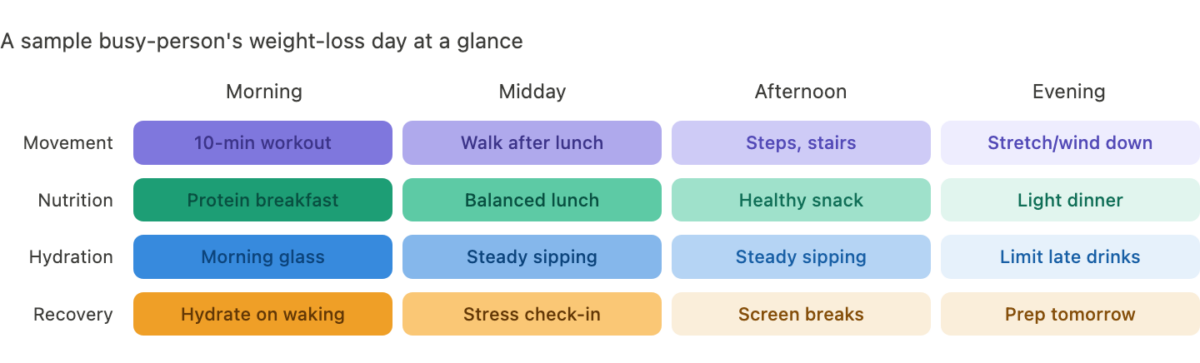
Morning: Start Simple, Not Extreme
Mornings can set the tone for your day, but that doesn’t mean you need a complicated routine.
- Quick, protein-focused breakfast
Something like eggs, a smoothie, or Greek yogurt. It takes minutes but keeps you full longer. I used to skip breakfast, but I’d end up starving by mid-morning and grabbing whatever was easiest. - A short burst of movement
Even 10 minutes of stretching or a quick workout can wake you up. Some days, I just do a few bodyweight exercises—it’s not fancy, but it gets me moving. - Hydrate early
A glass of water first thing in the morning helps more than you’d think. It’s a small habit, but it starts your day on the right note.
Midday: Stay Balanced, Not Perfect
This is where busy schedules usually hit hardest—meetings, work, errands. It’s easy to lose track of what you’re eating.
- Keep lunch simple and balanced
Think protein + carbs + veggies. A chicken bowl, a sandwich with lean protein, or even leftovers. You don’t need variety every day—consistency is more important. - Take a short walk if you can
Even 5–10 minutes after eating helps with digestion and keeps you active. I sometimes just walk around the block or even inside if I’m stuck indoors. - Avoid the energy crash cycle
Instead of reaching for sugary snacks, try something with protein or fiber. It keeps your energy stable and prevents overeating later.
Evening: Wind Down Without Overdoing It
Evenings can be tricky. You’re tired, maybe stressed, and it’s easy to overeat or skip healthy habits altogether.
- Keep dinner light but satisfying
You don’t need a huge meal. Something balanced and filling works best. I try to avoid eating out of boredom, which used to be a big habit for me. - Prep a little for tomorrow
Even 10 minutes of prepping snacks or meals can make the next day smoother. It’s like doing your future self a favor. - Limit mindless eating
This was a big one for me—snacking while watching TV without even realizing it. Being a little more aware goes a long way.
Throughout the Day: The Small Stuff Adds Up
This is where the magic really happens. It’s not one big action—it’s all the small ones combined.
- Drink water regularly
- Move whenever you can
- Listen to your hunger cues
- Stay flexible, not rigid
Some days won’t go as planned, and that’s okay. The goal isn’t perfection—it’s showing up consistently.
Before You Leave
If there’s one thing I’ve learned, it’s this: weight loss doesn’t have to take over your life to be effective. You don’t need extreme diets or endless workouts—you need a system that fits into your reality.
Start small. Stay consistent. And most importantly, be patient with yourself.