Daily Habits That Can Improve Mental Health and Help Your Brain Work Better
I used to think improving mental health meant doing something big—like taking a week off, going on a retreat, or completely changing my lifestyle. But over time, I realized it’s actually the small, repeatable things we do every day that shape how our brain functions. The way we start our morning, how we manage stress during the day, even how we wind down at night—it all adds up.
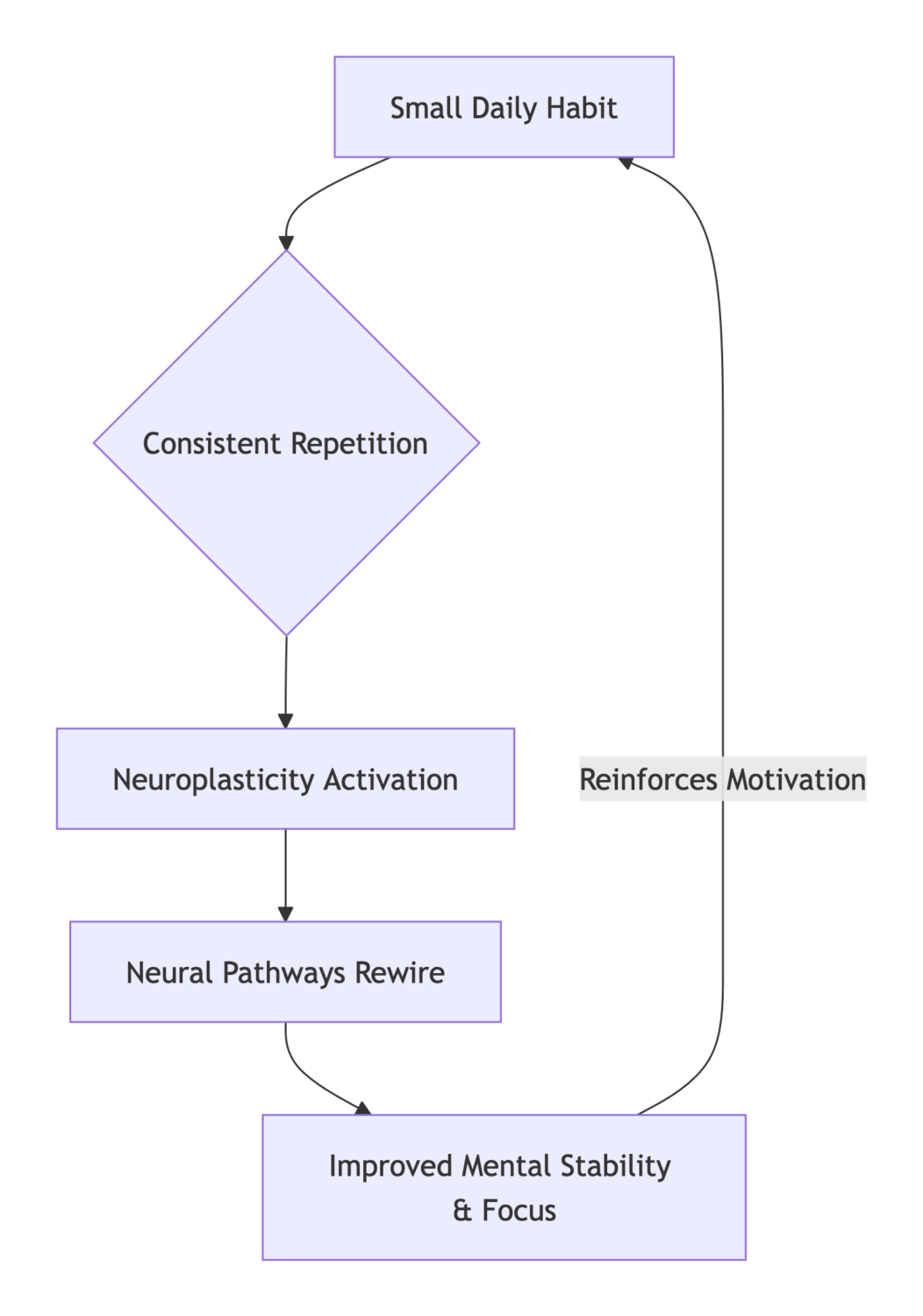
Here’s the interesting part: your brain is constantly adapting. Scientists call this neuroplasticity, but in simple terms, it means your daily habits literally rewire your brain. If your routine is chaotic, your mind feels scattered. If your routine is intentional, your mind starts to feel more stable and focused.
We’re all dealing with constant notifications, pressure, and mental overload. So instead of trying to fix everything overnight, I’ve found that building simple daily habits is the most realistic way to feel better and think clearer.
Morning Habits to Set a Positive Tone
Start Your Day at the Same Time (Yes, Even on Weekends)
I’ll be honest—I used to have wildly inconsistent mornings. Some days I’d wake up at 6, other days at 9:30, and I always felt off. Once I started waking up at roughly the same time every day, my energy felt more stable.
Your brain loves patterns. A consistent wake-up time helps regulate your circadian rhythm, which controls sleep, mood, and even cognitive performance. Think of it like setting your brain’s internal clock—it makes everything else run smoother.
Don’t Grab Your Phone Right Away
This one is tough, I know. I used to wake up and instantly scroll—emails, social media, news. Within five minutes, my brain was already overloaded.
Now I try to give myself at least 20–30 minutes before checking my phone. Why? Because the moment you dive into notifications, you’re reacting to everyone else’s priorities instead of your own.
Instead, I sit for a minute, stretch, or just exist quietly. It sounds simple, but it creates this sense of mental space before the noise of the day kicks in.
Try a Simple Mindfulness Practice
You don’t need to sit cross-legged for an hour to benefit from mindfulness. I started with just 5 minutes of deep breathing, and honestly, it changed more than I expected.
When you slow your breathing, you’re telling your nervous system that you’re safe. That reduces stress hormones like cortisol and helps your brain shift into a calmer state.
A simple way to try it:
- Breathe in for 4 seconds
- Hold for 4 seconds
- Breathe out for 6 seconds
Even doing this for a few minutes can make you feel more grounded. It’s like giving your brain a gentle reset before the day begins.
Get Some Sunlight Early
This one surprised me. I didn’t realize how powerful sunlight is for your brain until I made it a habit.
Getting natural light in the morning helps regulate your body clock and boosts serotonin—the chemical linked to mood and focus. I usually step outside with my coffee or take a short walk, even if it’s just 10 minutes.
On days when I skip this, I feel more sluggish. On days I do it, I feel noticeably more alert. It’s such a small habit, but it has a huge impact on energy and mental clarity.
Eat a Breakfast That Fuels Your Brain
I used to skip breakfast or grab something sugary, and by mid-morning, I’d crash hard. Now I try to eat something that actually supports my brain—protein, healthy fats, and some complex carbs.
For example:
- Eggs with whole-grain toast
- Greek yogurt with berries and nuts
- A smoothie with protein, spinach, and banana
Your brain needs steady fuel. When you eat better in the morning, you avoid those energy dips and stay more focused. It’s not about eating perfectly—it’s about giving your brain what it actually needs to function well.
Set a Few Clear Priorities
This might be the most underrated habit. Before I start my workday, I ask myself: what actually matters today?
Instead of writing a long to-do list, I pick 2–3 key things I want to accomplish. That’s it.
Why does this help? Because your brain gets overwhelmed when everything feels equally important. By narrowing your focus, you reduce decision fatigue and make it easier to take action.
It also feels really good to finish those priorities—it gives you a sense of progress and control.
Move Your Body (Even a Little Counts)
You don’t need a full workout first thing in the morning. Even light movement can wake up your brain.
Some easy options:
- A quick stretch routine
- A short walk around the block
- A few bodyweight exercises
Movement increases blood flow to your brain, which improves focus and mood. I’ve noticed that on days I move in the morning, I feel more energized and less anxious.
Think of it as turning your brain “on” physically, not just mentally.
When I started combining even a few of these habits, I noticed something subtle but powerful—I wasn’t starting my day in chaos anymore. Instead, I felt more in control, more focused, and honestly, a bit more optimistic. And that’s a pretty solid way to begin any day.
Midday Practices for Mental Clarity and Focus
By the time midday hits, I usually notice a shift. My energy dips a little, my focus starts to scatter, and suddenly even simple tasks feel heavier. If you’ve ever found yourself rereading the same sentence three times or zoning out during work, you’re not alone. Our brains aren’t designed to stay in peak focus mode all day.
What I’ve learned is that instead of fighting this dip, it’s better to work with your brain’s natural rhythm. Midday isn’t about pushing harder—it’s about resetting, refueling, and staying mentally sharp in a smarter way.
Take Breaks That Actually Refresh You
I used to think powering through without breaks made me more productive. In reality, it just made me slower and more frustrated.
Now I follow a simple pattern: work for a focused stretch, then step away briefly. Even 5–10 minutes can make a difference.
Here’s what actually helps during breaks:
- Stepping outside for fresh air
- Stretching or walking around
- Looking away from screens
What doesn’t help? Scrolling social media. I’ve tried that, and it usually leaves me feeling more drained, not less.
Your brain needs pauses to process information. Without them, it gets overloaded. Think of breaks as maintenance for your mental engine.
Stay Hydrated (It’s More Important Than You Think)
This one sounds basic, but it’s surprisingly powerful. I used to go hours without drinking water, and I didn’t connect it to how foggy I felt.
Even mild dehydration can affect attention, memory, and mood. When I started keeping a water bottle nearby and sipping consistently, I noticed fewer headaches and better focus.
A simple trick that works for me:
- Drink a glass of water before starting a new task
- Keep water visible so you don’t forget
It’s not complicated, but it’s one of those habits where small effort = big payoff.
Move Your Body to Reset Your Mind
Around midday, my brain often feels stuck. That’s usually my cue to move.
You don’t need a full workout—just a few minutes of movement can reset your mental state. I sometimes take a quick walk, do a few stretches, or even just stand up and move around.
Movement increases blood flow to the brain, which helps with focus, creativity, and mood. It’s like hitting a refresh button.

I’ve had moments where I was stuck on a problem, stepped away for a short walk, and came back with a clear solution. That’s not a coincidence—your brain works better when your body moves.
Avoid the Multitasking Trap
For a long time, I thought multitasking made me efficient. Answering emails while working on a project, checking messages in between—it felt productive.
But here’s the truth: multitasking actually reduces efficiency. Every time you switch tasks, your brain has to refocus, and that takes energy.
Now I try to do one thing at a time, even if it feels slower at first. The result? I finish tasks faster and with fewer mistakes.
If this feels hard, start small:
- Close extra tabs
- Silence notifications
- Focus on one task for a set time
Your brain performs best when it’s fully engaged. Multitasking just spreads your attention too thin.
Eat for Energy, Not Just Convenience
Midday meals can either support your brain or completely derail your focus. I’ve had lunches that left me energized—and others that made me want to nap immediately.
Heavy, processed meals tend to cause energy crashes. On the other hand, balanced meals help keep your energy steady.
Some brain-friendly options:
- Lean protein with vegetables and whole grains
- A salad with healthy fats like avocado or nuts
- Simple meals that aren’t overly heavy
It’s not about eating perfectly—it’s about noticing how food affects you. When I started paying attention, I realized that what I eat directly impacts how I think and feel.
Take a Moment to Reset Mentally
Midday is also a great time to check in with yourself. I sometimes pause and ask: how am I feeling right now?
If I’m stressed, I take a few deep breaths. If I’m overwhelmed, I simplify what I’m working on.
You can try something like:
- Writing down one thing that’s going well
- Taking 3–5 slow, deep breaths
- Stepping away for a quiet moment
These small resets help prevent stress from building up. Instead of carrying tension into the rest of the day, you release it.
When I started adding these midday habits, I noticed a big shift. I wasn’t burning out by afternoon anymore. Instead, I felt more steady, more focused, and honestly, more in control of my day.
Evening Habits to Recharge Your Mind
Evenings used to be my “collapse time.” I’d scroll endlessly, snack mindlessly, and then wonder why I couldn’t sleep well. Over time, I realized that how I spend my evenings has a huge impact on both my mental health and how my next day feels.
Your brain doesn’t just switch off at night—it needs the right conditions to wind down. A good evening routine helps your mind process the day, release stress, and prepare for real rest.
Reduce Screen Time Before Bed
This is probably the hardest habit, but also one of the most important. I used to scroll on my phone right until I fell asleep, and my sleep quality suffered.
Screens emit blue light, which interferes with melatonin—the hormone that helps you sleep. But beyond that, the content itself keeps your brain active.
Now I try to put my phone away at least 30–60 minutes before bed. Instead, I do something calmer like reading or just sitting quietly.
It’s not about being perfect—it’s about giving your brain a signal that it’s time to slow down.
Reflect on Your Day (Without Overthinking)
I used to either ignore my day completely or overanalyze everything. Neither helped.
Now I take a few minutes to reflect in a simple way:
- What went well today?
- What did I learn?
- Is there anything I want to do differently tomorrow?
Sometimes I write it down, sometimes I just think about it.
This habit helps your brain process experiences and reduces mental clutter. It’s like closing open tabs in your mind.
Try a Relaxation Practice
Even if your day wasn’t stressful, your body can still carry tension. That’s why I like adding some form of relaxation at night.
A few options that work well:
- Deep breathing exercises
- Light stretching or yoga
- Listening to calming music
You don’t need anything fancy. The goal is to shift your body into a relaxed state so your brain can follow.
I’ve noticed that when I do this, I fall asleep faster and wake up feeling more refreshed.
Stick to a Consistent Sleep Schedule
This one changed everything for me. Going to bed and waking up at roughly the same time each day helps regulate your body clock.
When your sleep schedule is all over the place, your brain struggles to know when to rest and when to be alert.
Even on weekends, I try not to shift my schedule too much. It makes mornings easier and improves overall energy.
Consistency might sound boring, but it’s incredibly powerful for mental clarity and emotional stability.
Create a Simple Night Routine
Your brain responds well to cues. When you repeat the same steps each night, it starts to recognize that sleep is coming.
My routine is pretty simple:
- Dim the lights
- Wash up
- Read for a bit
- Go to bed
It doesn’t have to be complicated. What matters is that it’s consistent.
Over time, your brain starts associating these actions with rest, making it easier to wind down naturally.
Be Mindful of Late-Night Eating and Caffeine
I didn’t realize how much late-night habits affected my sleep until I paid attention. Heavy meals or caffeine too late in the day can disrupt your ability to fall asleep.
Now I try to:
- Avoid caffeine in the late afternoon or evening
- Keep late-night snacks light if I’m hungry
It’s not about strict rules—it’s about noticing patterns. When I eat lighter at night, I sleep better. It’s that simple.
When I started taking my evenings seriously, everything improved—my sleep, my mood, even how I handled stress the next day. It’s like giving your brain the recovery time it actually needs.
Before You Leave
If there’s one thing I’ve learned, it’s this: you don’t need to overhaul your entire life to feel better. Start small. Pick one or two habits that resonate with you and try them consistently.
Your brain is always adapting, which means even the smallest changes can lead to real, lasting improvements over time.