How to Stay Positive and Motivated During Your Fitness Journey?
I’ll be honest—staying positive and motivated during a fitness journey isn’t always easy. I’ve had days where I felt unstoppable, and others where just putting on my sneakers felt like a chore. If you’ve ever started strong and then slowly lost momentum, you’re definitely not alone. The truth is, motivation isn’t something you “have” all the time—it’s something you build, protect, and sometimes even fake a little until it becomes real again.
What I’ve learned over time is that fitness isn’t just about your body—it’s deeply tied to your mindset. The way you think about your progress, your setbacks, and even your daily habits plays a huge role in whether you stick with it or give up halfway.
Let’s talk about how to keep that positive energy going, even when things get tough.
Build a Strong “Why” That Actually Means Something to You
Go Beyond Surface-Level Goals
When I first started working out, my goal was simple: “I want to look better.” Sounds fine, right? But honestly, that wasn’t enough to keep me going when things got hard. It felt vague, and on bad days, it didn’t push me off the couch.
What changed everything for me was digging deeper. I started asking myself, “Why do I really want this?” And the answers got more meaningful:
- I wanted more energy throughout the day
- I didn’t want to feel out of breath climbing stairs
- I wanted to feel confident in my own skin
That shift made a huge difference. Because now, my motivation wasn’t just about appearance—it was about how I felt every day.
Make It Personal and Emotional
Here’s the thing: your “why” needs to hit you emotionally. It should be something that makes you pause and think, “Yeah, this matters.”
For example, one of my friends started working out after becoming a parent. Their motivation wasn’t about abs—it was about being able to run around with their kid without getting tired. That kind of reason sticks. It’s real, and it shows up even when motivation is low.
So take a moment and really think about it. Not what social media says you should want—but what you actually care about.
Focus on Progress, Not Perfection
Stop Chasing the “Perfect” Routine
I used to think I needed the perfect workout plan, the perfect diet, the perfect schedule. If I missed one workout, I felt like I had ruined everything. And honestly? That mindset held me back more than anything else.
Because fitness isn’t perfect. Life isn’t perfect.
There will be days when you’re tired, busy, or just not feeling it. And that’s okay.
What matters is consistency, not perfection.
Celebrate Small Wins (They Add Up More Than You Think)
One thing that really helped me stay positive was learning to notice the small wins:
- Choosing a home-cooked meal instead of takeout
- Finishing a workout even when I didn’t feel like starting
- Lifting slightly heavier weights than last week
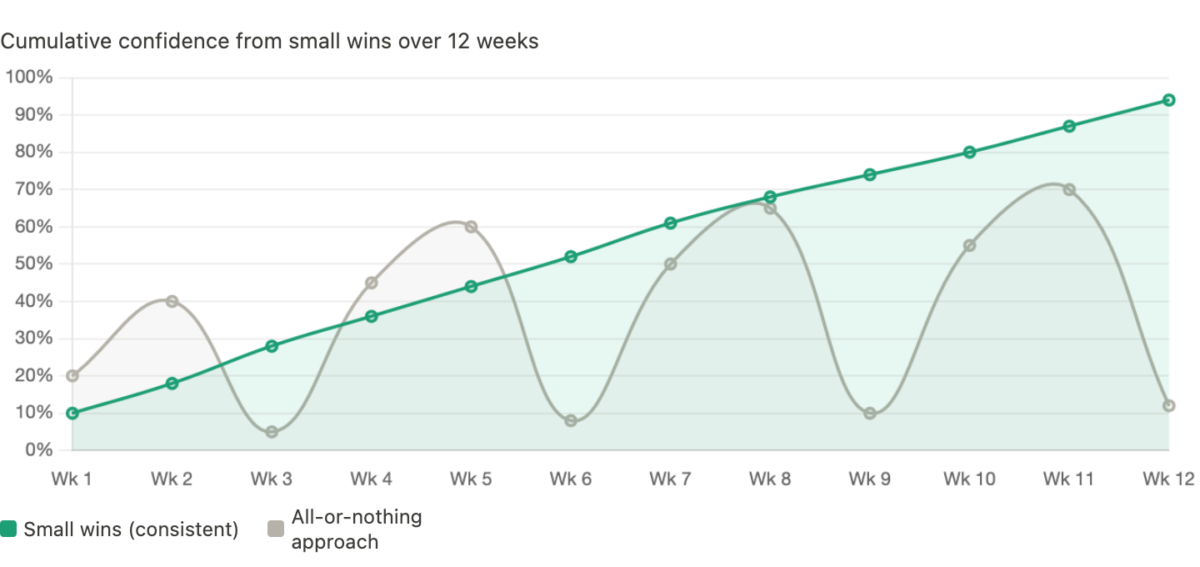
These might seem minor, but over time, they build confidence. And confidence fuels motivation.
I remember the first time I noticed I wasn’t as sore after a workout as I used to be. It wasn’t dramatic, but it was progress. And it made me think, “Okay, something’s working.”
Progress is often quiet—but it’s powerful.
Create a Routine That Fits Your Life (Not Someone Else’s)
Be Realistic About Your Schedule
We’ve all seen those “5 AM workout” routines online. And hey, if that works for you, great. But for me? I tried it—and I hated it.
I’m not a morning person. Forcing myself into that routine just made me miserable and less consistent.
So I switched things up. I started working out in the evening when I actually had energy. And guess what? I stuck with it.
The lesson here is simple: your fitness routine should work for your life—not the other way around.
Remove Friction Wherever You Can
This is something I didn’t realize at first, but it makes a huge difference. The easier you make it to start, the more likely you are to follow through.
Here are a few things that helped me:
- Keeping my workout clothes ready the night before
- Choosing a gym close to home (less excuses to skip)
- Having a simple workout plan so I don’t waste time deciding
It sounds small, but these little tweaks reduce the mental effort it takes to get started.
And honestly, starting is usually the hardest part.
Learn to Navigate Setbacks Without Losing Momentum
Accept That Bad Days Are Part of the Process
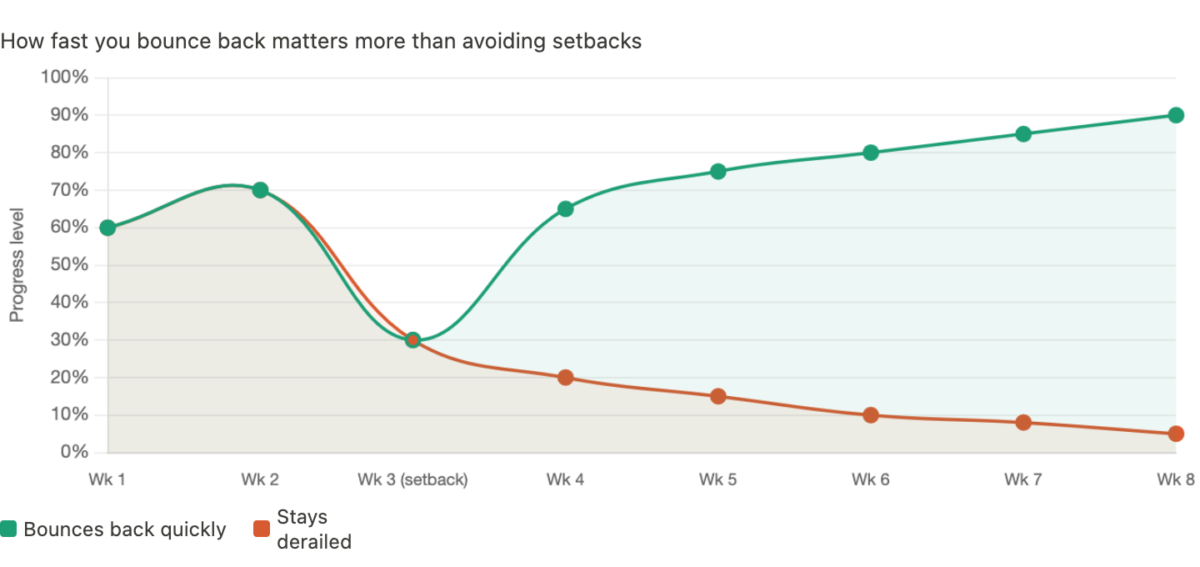
There was a time when one bad week would completely derail me. I’d skip a few workouts, feel guilty, and then just… stop altogether.
Now, I see it differently.
Bad days happen. Busy weeks happen. Life gets messy.
But one missed workout doesn’t erase all your progress. Even a rough week doesn’t undo everything you’ve built.
The key is to bounce back quickly, not perfectly.
Reframe Negative Thoughts
This one took some practice, but it’s incredibly powerful. Instead of thinking:
- “I skipped my workout, I’m so lazy”
Try shifting it to:
- “Okay, I missed today—but I can get back on track tomorrow”
That small change in language makes a big difference. It turns guilt into action.
I’ve noticed that when I’m kinder to myself, I’m actually more consistent. Weird, right? But it works.
Use Setbacks as Feedback
Instead of seeing setbacks as failures, try looking at them as information.
For example, if you keep skipping workouts because you’re too tired in the evening, maybe it’s not about motivation—it’s about timing. Maybe mornings or lunchtime would work better.
Or if you’re constantly sore and exhausted, maybe your workouts are too intense.
Setbacks can teach you what needs to change.
Surround Yourself with Positive Influences
Choose Your Environment Carefully
This might not seem obvious at first, but your environment plays a huge role in your mindset.
If you’re constantly surrounded by negativity—people who complain about working out, or who dismiss your efforts—it can slowly wear you down.
On the other hand, being around people who support your goals can be incredibly motivating.
That doesn’t mean you need a whole new friend group. Sometimes, it’s as simple as:
- Following fitness creators who inspire you
- Joining a local gym where people are encouraging
- Working out with a friend who shares your goals
Feed Your Mind the Right Content
I’ve noticed that what I consume daily—whether it’s podcasts, videos, or even social media—affects how I feel about my fitness journey.
When I fill my feed with positive, realistic content, I feel more motivated and less pressured.
But when I compare myself to unrealistic standards, it drains my energy.
So I’ve become more intentional about it. I ask myself, “Does this make me feel encouraged or discouraged?”
If it’s the latter, I move on.
Stay Motivated by Making Fitness Enjoyable
Stop Forcing Yourself to Do Workouts You Hate
Let me say this upfront—if you hate your workouts, you’re not going to stick with them. I learned this the hard way.
There was a phase where I forced myself to run because everyone said it was “the best way to lose weight.” But I dreaded every single run. I’d make excuses, skip days, and feel guilty about it. It became this negative cycle.
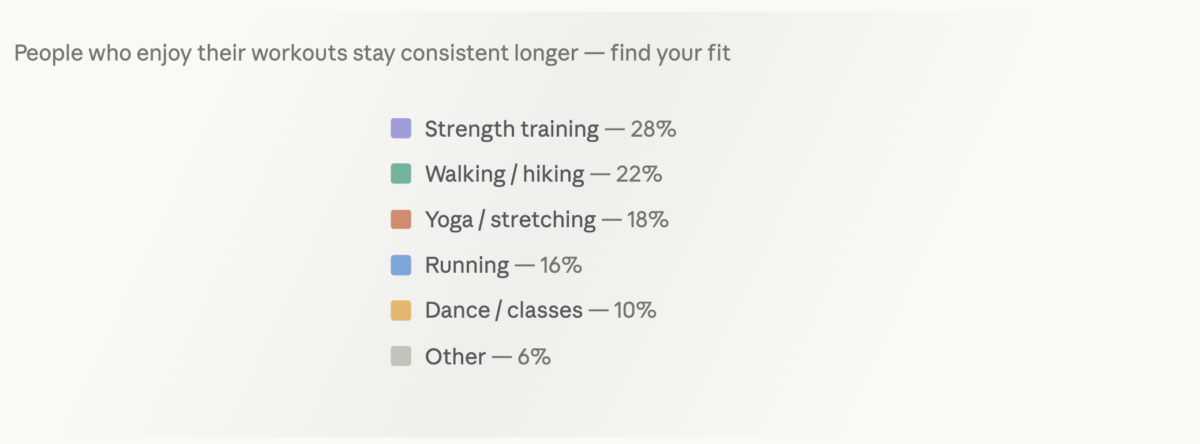
Then one day, I switched things up and tried strength training. And surprisingly, I enjoyed it. I liked tracking my progress, feeling stronger, and actually looking forward to my workouts.
That’s when it clicked for me: fitness doesn’t have to look one specific way.
If you love dancing, try a dance workout. If you enjoy being outdoors, go for hikes or bike rides. If the gym isn’t your thing, home workouts are totally valid.
The goal is simple—find something you actually look forward to.
Experiment Until Something Clicks
You don’t have to get it right immediately. Think of your fitness journey like trial and error.
For example, I’ve tried:
- Yoga (great for flexibility, but I needed more intensity)
- HIIT workouts (effective, but sometimes too exhausting)
- Strength training (finally found my sweet spot)
Each phase taught me something about what I liked and what I didn’t.
And honestly, it’s okay to change your routine over time. What works for you now might not work six months later—and that’s completely normal.
Use Goals the Right Way (Without Letting Them Stress You Out)
Set Flexible Goals Instead of Rigid Ones
Goals are great—but only if they help you, not pressure you.
I used to set very strict goals like, “I need to lose 10 pounds in two months.” And if I didn’t hit that exact number, I felt like I failed.
Now, I take a different approach. I set goals like:
- “Work out at least 3 times a week”
- “Improve my endurance over time”
- “Feel stronger in my daily activities”
These are process-based goals, and they’re way more sustainable.
Because here’s the truth—you can’t always control the outcome, but you can control your effort.
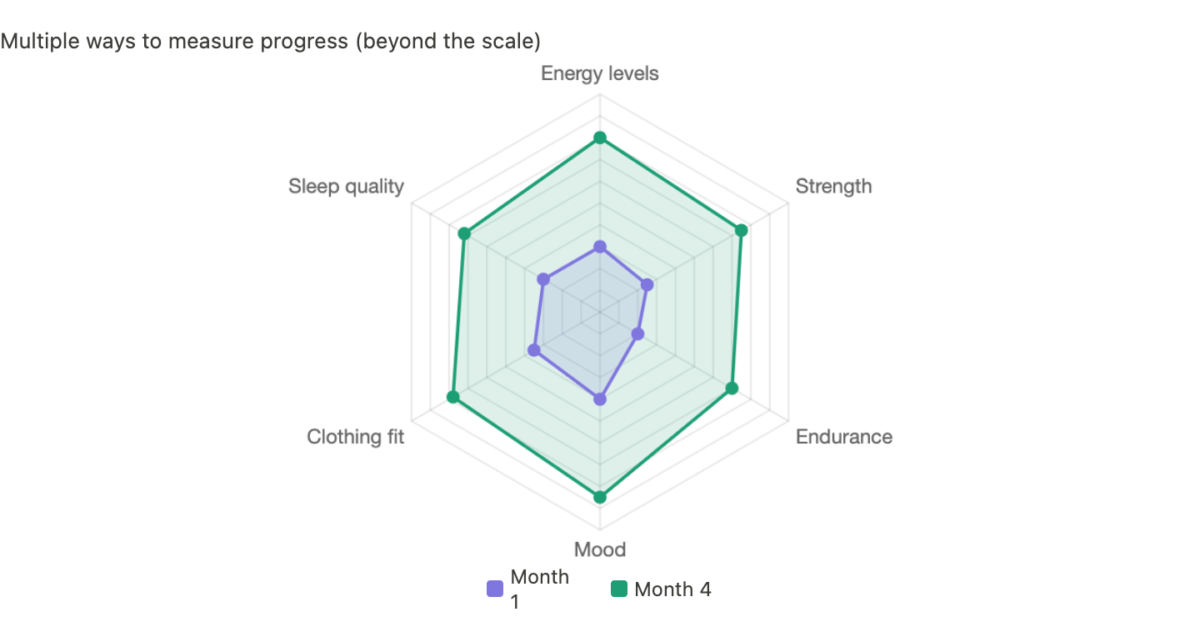
Track Progress in More Than One Way
One mistake I made early on was relying only on the scale. If the number didn’t change, I’d feel discouraged—even if I was actually making progress.
Now, I look at multiple indicators:
- How my clothes fit
- My energy levels throughout the day
- How much weight I can lift or how long I can exercise
- My overall mood and confidence
I remember a time when the scale barely moved for weeks, but I noticed I could do more push-ups than before. That was real progress.
Don’t let one number define your journey.
Reward Yourself (In Healthy Ways)
This might sound simple, but rewarding yourself can keep things fun and motivating.
For example:
- Buying new workout clothes after sticking to a routine
- Treating yourself to a massage or recovery day
- Taking a day off guilt-free after a consistent week
Notice how none of these rewards undo your progress.
Celebrate your effort—it deserves recognition.
Build Discipline So You Don’t Rely Only on Motivation
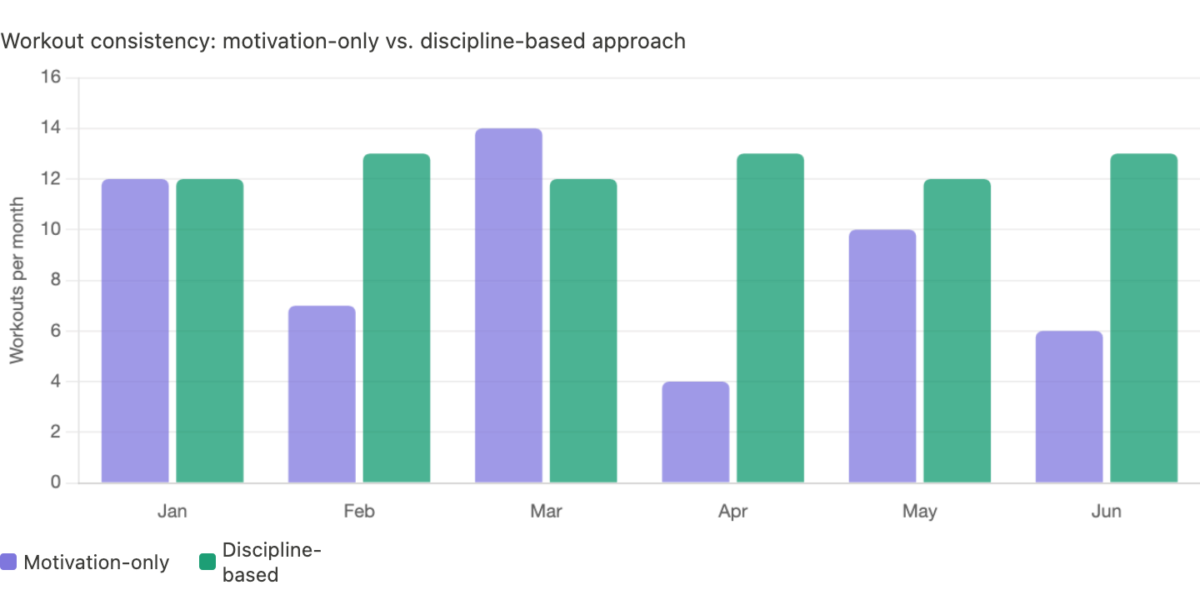
Understand That Motivation Comes and Goes
This is probably one of the biggest lessons I’ve learned.
There are days when you feel pumped and ready to go. But there are also days when you feel tired, lazy, or just not in the mood.
And that’s normal.
The problem is, if you rely only on motivation, you’ll be inconsistent. Because motivation is unpredictable.
That’s where discipline comes in.
Discipline is what keeps you going when motivation disappears.
Create Non-Negotiable Habits
One thing that helped me build discipline was treating workouts like appointments.
Instead of asking, “Do I feel like working out today?” I started thinking, “This is just something I do.”
For example:
- Monday, Wednesday, Friday = workout days
- Sunday = meal prep and planning
It removed the decision-making process, which made it easier to stay consistent.
Start Small (Seriously, Smaller Than You Think)
If you’re struggling to stay consistent, try lowering the bar.
I’ve had days where I told myself, “Just do 10 minutes.” And once I started, I often ended up doing more.
But even if I didn’t, 10 minutes was still better than nothing.
This approach builds momentum. And over time, those small efforts add up.
Protect Your Mental Energy Along the Way
Avoid Constant Comparison
This one’s tough, especially with social media.
It’s so easy to look at someone else’s progress and feel like you’re falling behind. I’ve done it too—scrolling through perfectly edited fitness posts and thinking, “Why don’t I look like that yet?”
But here’s the reality: you’re seeing someone else’s highlight reel, not their full journey.
Everyone has a different starting point, different genetics, and different lifestyles.
Instead of comparing, try this:
- Compare yourself to where you were a few months ago
- Focus on your own improvements, no matter how small
That shift in perspective can protect your confidence.
Take Breaks Without Feeling Guilty
Rest days are not a sign of weakness—they’re part of the process.
There was a time when I felt guilty for taking a day off. I thought I had to push myself every single day to see results.
But over time, I realized that rest actually helps you perform better. It gives your body time to recover and grow stronger.
Now, I plan my rest days intentionally. And instead of feeling guilty, I see them as productive.
Check In With Yourself Regularly
Every now and then, I like to pause and ask myself:
- “Am I enjoying this?”
- “Does this routine still work for me?”
- “What can I adjust to make things better?”
This helps me stay connected to my goals and avoid burnout.
Because fitness isn’t just about pushing harder—it’s also about being aware and making smart adjustments.
Keep Your Journey Fresh and Exciting
Change Things Up When You Feel Stuck
Doing the same routine over and over can get boring. And boredom is a motivation killer.
Whenever I start feeling stuck, I switch things up:
- Trying a new workout style
- Changing my playlist (this one makes a bigger difference than you’d think)
- Setting a short-term challenge for myself
For example, I once challenged myself to do push-ups every day for two weeks. It was simple, but it gave me something new to focus on.
Small changes can bring back excitement.
Learn Something New Along the Way
One of the best ways to stay engaged is to keep learning.
When I started understanding things like proper form, muscle groups, and recovery techniques, fitness became more interesting. It wasn’t just “working out” anymore—it felt like a skill I was developing.
You could:
- Watch tutorials to improve your technique
- Read about nutrition and how it affects your performance
- Try new exercises you’ve never done before
The more you learn, the more invested you become.
Find Moments to Enjoy the Process
At the end of the day, your fitness journey shouldn’t feel like a punishment.
Sometimes, I pause during a workout and just appreciate the moment—feeling stronger, moving better, and knowing I’m doing something good for myself.
It might sound small, but these moments matter.
They remind you why you started.
Stay Consistent Even When Life Gets Busy
Adapt Instead of Quitting
Life doesn’t slow down just because you’re on a fitness journey. Work gets hectic, family responsibilities pop up, and sometimes you just don’t have the time you thought you would.
In the past, I’d use that as an excuse to stop completely. If I couldn’t follow my routine perfectly, I’d just give up.
But now, I’ve learned to adapt.
If I don’t have time for a full workout, I’ll do a quick 15–20 minute session at home. If I can’t make it to the gym, I’ll go for a brisk walk or do bodyweight exercises.
Something is always better than nothing.
Plan Ahead for Busy Days
One thing that’s helped me stay consistent is planning ahead.
For example:
- If I know I have a busy week, I schedule shorter workouts
- I prep meals in advance so I’m not relying on fast food
- I keep a simple backup workout ready for days when I’m short on time
This way, I don’t have to rely on willpower alone.
Be Flexible Without Losing Focus
Flexibility doesn’t mean giving up—it means adjusting.
There have been weeks where I couldn’t follow my routine perfectly, but I still showed up in some way. And that kept me on track.
Consistency isn’t about doing everything perfectly—it’s about not stopping.
Build a Support System That Keeps You Going
Share Your Goals With Someone You Trust
When I started sharing my fitness goals with a close friend, it made a big difference.
Not because they were constantly checking on me—but because I felt accountable. I didn’t want to quit halfway and say, “Yeah, I just gave up.”
Sometimes, just knowing that someone else is aware of your goals can keep you going.
Work Out With Others (If That Motivates You)
For some people, working out alone is fine. But for others, having a workout partner can make things more fun and consistent.
I’ve had phases where I worked out with a friend, and it felt less like a chore and more like something to look forward to.
Plus, there’s a bit of healthy pressure—you’re less likely to cancel when someone else is counting on you.
Join Communities That Inspire You
You don’t need to do this alone.
There are so many online and offline communities where people share their journeys, struggles, and wins. Being part of that can remind you that you’re not the only one figuring things out.
And sometimes, seeing someone else push through a tough phase can inspire you to do the same.
Build a Long-Term Mindset (Not a Short-Term Fix)
Stop Looking for Quick Results
This one’s huge.
When I first started, I wanted fast results. I’d check the mirror constantly, hoping to see changes overnight. And when that didn’t happen, I’d feel frustrated.
But real, lasting change takes time.
Fitness is a long-term investment, not a quick fix.
Once I accepted that, everything felt less stressful. I stopped rushing and started focusing on building habits.
Think About Who You’re Becoming
Instead of just focusing on what I wanted to achieve, I started thinking about the kind of person I wanted to become.
Someone who:
- Takes care of their health
- Stays active regularly
- Makes mindful choices
That shift changed my perspective. It wasn’t just about hitting a goal—it was about building a lifestyle.
Stay Patient With Yourself
Progress isn’t always linear. There will be ups and downs, fast phases and slow phases.
And that’s okay.
What matters is that you keep going.
Patience is what turns effort into results.
Before You Leave
If there’s one thing I’ve learned, it’s this: staying positive and motivated during your fitness journey isn’t about feeling excited all the time. It’s about showing up, adjusting when needed, and being kind to yourself along the way.
You don’t have to be perfect. You just have to keep going.
And trust me—every small step you take is moving you forward, even if it doesn’t feel like it yet.