What Is Workout Burnout and How To Manage It?
I used to think burnout only happened at work—tight deadlines, long meetings, that kind of thing. But then I hit a phase where even the thought of going to the gym made me feel drained. Not physically tired, just… done. That’s when I realized workout burnout is very real, and honestly, it sneaks up on you.
At first, everything feels great. You’re motivated, consistent, maybe even a little obsessed in a good way. But over time, if you keep pushing without listening to your body, that excitement can flip into exhaustion. Workouts start feeling like a chore instead of something you enjoy.
And the tricky part? A lot of us don’t recognize it right away. We just assume we need to “push harder.” But sometimes, the smarter move is actually to pause and understand what’s going on.
What Is Workout Burnout?
Understanding the Difference Between Fatigue and Burnout
Let’s clear something up first. Feeling tired after a tough workout is normal. That’s part of the process. But burnout is a completely different experience.
When I was just fatigued, I’d take a rest day and bounce back. But burnout? That felt deeper. It wasn’t just my muscles—it was my mindset. I didn’t want to go back, even after resting.

Fatigue is temporary. Burnout lingers.
Think of it like this: if fatigue is your body asking for a break, burnout is your body and mind waving a red flag saying, “Something’s off here.”
How Overtraining Plays a Role
One of the biggest causes of burnout is something called overtraining. And no, it’s not just for elite athletes.
I’ve seen this happen a lot—especially with people who get really into fitness. You start working out five, six, even seven days a week. You’re chasing progress, maybe trying to lose weight fast or build muscle quickly. It feels productive… until it doesn’t.
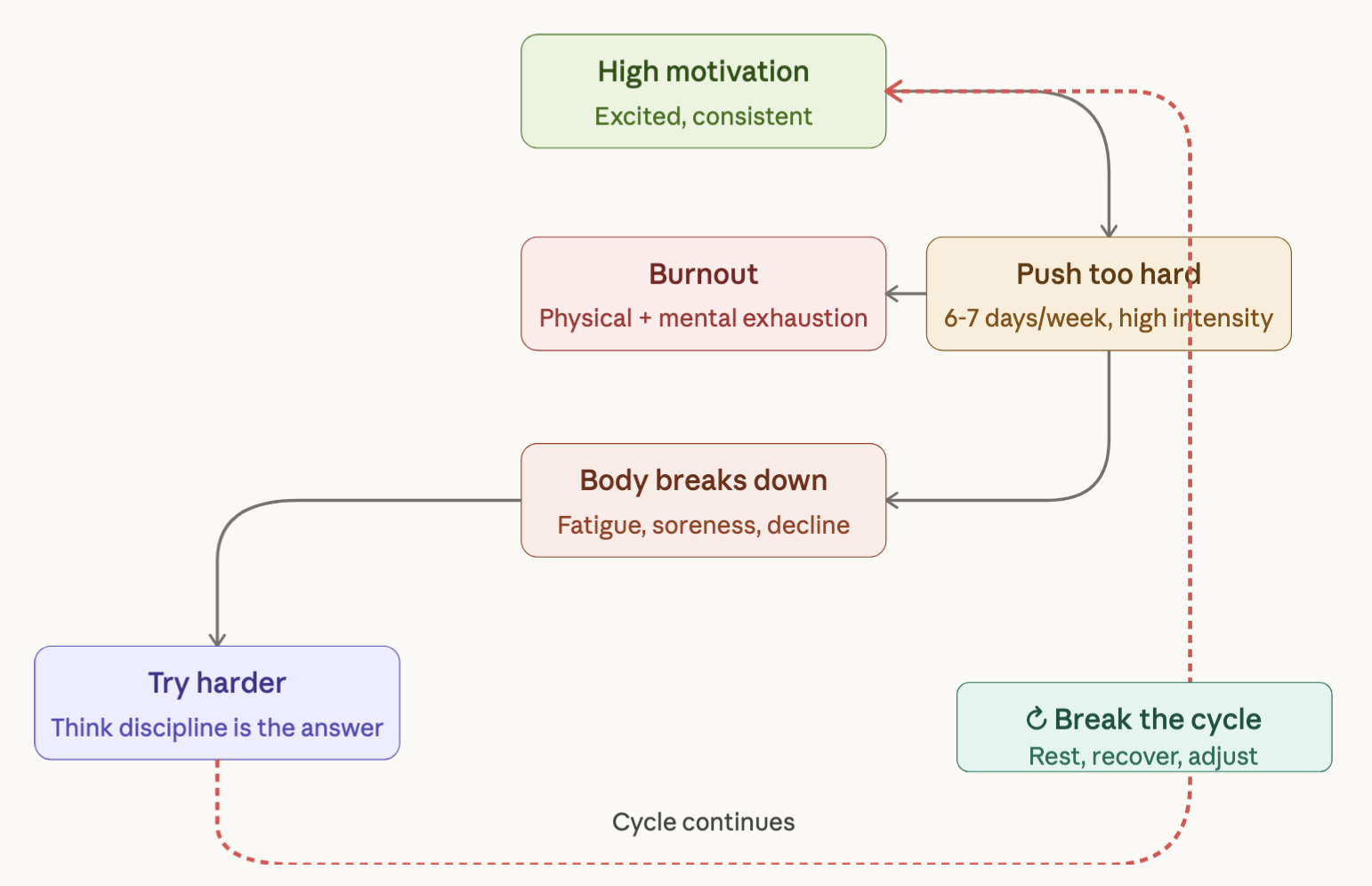
Your body actually needs recovery to get stronger. Without it, you’re just breaking yourself down over and over.
For example, I once tried doing high-intensity workouts every single day because I thought consistency meant never missing a session. After a couple of weeks, my performance dropped. I was lifting lighter, running slower, and feeling more tired than ever.
That’s classic overtraining. And if you ignore it long enough, it often turns into burnout.
The Mental Side No One Talks About Enough
Here’s the part I didn’t expect: burnout isn’t just physical. In fact, the mental side can hit even harder.
You start losing motivation. Workouts feel repetitive. Instead of thinking, “I get to work out,” it turns into “I have to work out.”
That shift matters more than people realize.
I remember a time when I’d sit in my car outside the gym for 10 minutes, trying to convince myself to go in. Nothing about my routine had changed—but my mindset had. That’s burnout creeping in.
When exercise becomes an obligation instead of a choice, something’s out of balance.
And social media doesn’t help. You see people grinding every day, posting intense workouts, and it creates this pressure to keep up. But what you don’t see is their recovery, their rest days, or even their struggles.
Why Recovery, Sleep, and Nutrition Matter More Than You Think
If there’s one thing I wish I understood earlier, it’s this: progress doesn’t happen during the workout—it happens during recovery.
Your muscles repair when you rest. Your energy resets when you sleep. Your performance improves when you fuel your body properly.
But when you skip those things? That’s when burnout starts building.
Let’s say you’re sleeping five hours a night, eating whatever’s convenient, and still pushing hard in the gym. It might work for a short time. But eventually, your body pushes back.
You feel sluggish. Your workouts feel harder. And mentally, you’re just not in it anymore.
I’ve personally noticed that when I prioritize sleep—even just getting 7–8 hours consistently—my workouts feel completely different. More energy, better focus, and honestly, more enjoyment.
Burnout often isn’t about doing too little—it’s about doing too much without enough support.
It Can Happen to Anyone
One of the biggest misconceptions is that burnout only happens to hardcore athletes. Not true.
I’ve seen beginners burn out because they go all-in too quickly—strict routines, intense workouts, no flexibility. And I’ve seen experienced lifters burn out because they never change their routine or give themselves a break.
It’s not about your fitness level. It’s about balance.
If your routine doesn’t leave room for rest, enjoyment, or flexibility, burnout becomes a real possibility.
And the frustrating part? It doesn’t mean you’re not disciplined. Sometimes, it actually means you’re too disciplined—pushing through when your body is clearly asking for something different.
The more I’ve learned about workout burnout, the more I’ve realized it’s not a sign of weakness. It’s actually your body trying to protect you. And once you start listening to it, everything about your fitness journey starts to feel a lot more sustainable—and honestly, a lot more enjoyable too.
Signs You Might Be Experiencing Workout Burnout
I’ll be honest—when I first experienced workout burnout, I didn’t recognize it. I just thought I was being lazy or “losing discipline.” But looking back, the signs were all there. The tricky part is that burnout doesn’t hit you all at once—it builds quietly over time.
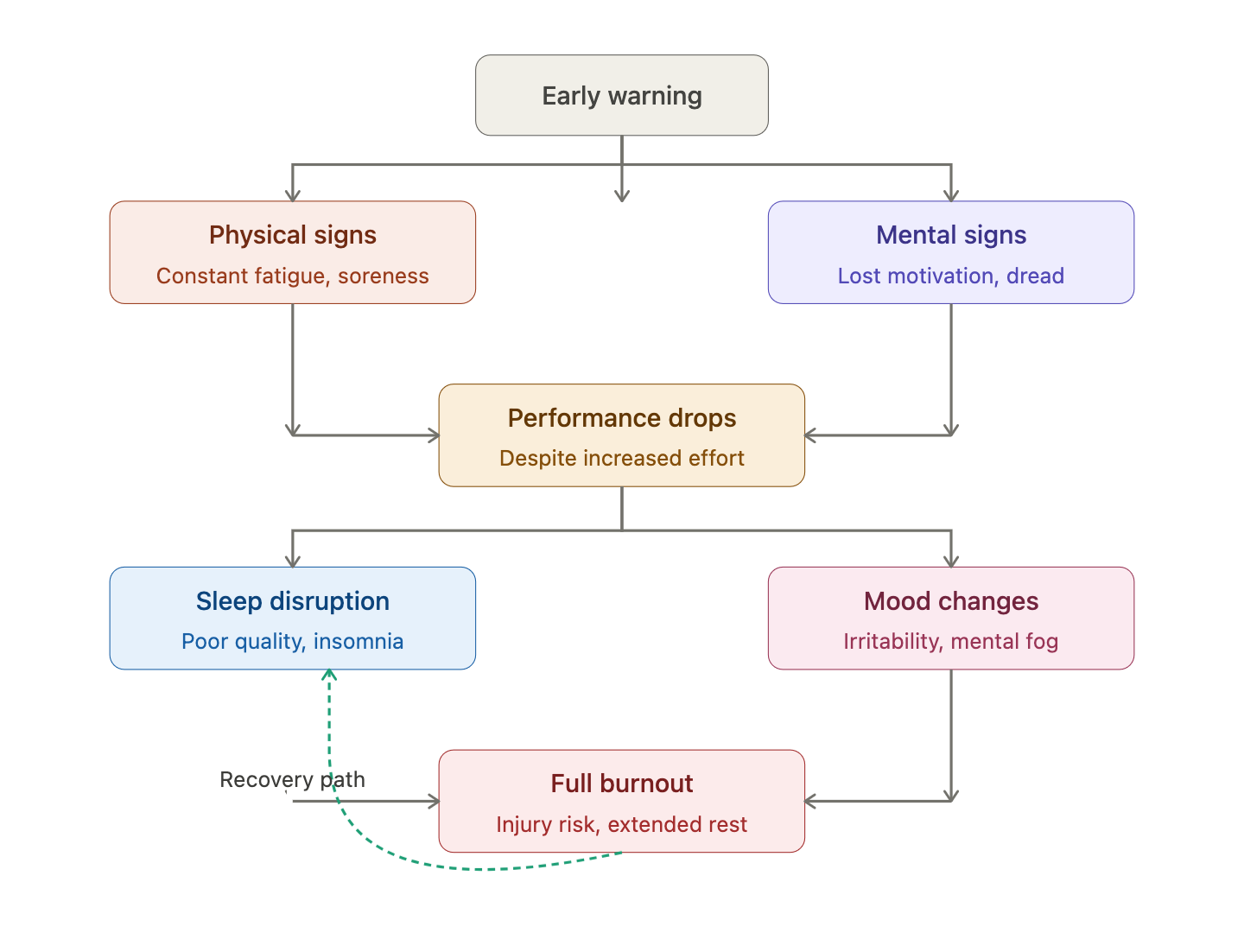
Let’s walk through some of the most common signs. If a few of these sound familiar, it might be time to pause and reassess.
You’re Always Tired (Even After Rest)
This one is huge. Not just the usual “I had a tough workout yesterday” kind of tired. I’m talking about that constant, lingering fatigue that doesn’t go away.
I remember getting a full night’s sleep and still waking up feeling drained. My body felt heavy, and even simple workouts felt like a struggle. That’s when I realized something deeper was going on.
If rest days aren’t helping you feel refreshed, your body might be overworked—not undertrained.
Your Performance Is Dropping
This one can be frustrating, especially if you’re putting in more effort than ever.
You’re showing up consistently, maybe even pushing harder, but your numbers are going down. You’re lifting lighter weights, running slower, or struggling to finish workouts that used to feel manageable.
I’ve been there—adding more sets, more intensity, thinking it would fix things. It didn’t. It made it worse.
When your performance declines despite increased effort, that’s a strong signal your body needs recovery, not more pressure.
You’ve Lost Your Motivation
This might be the most obvious sign, but also the easiest to ignore.
There was a time when I actually looked forward to working out. It felt energizing, almost like a mental reset. But during burnout, that excitement disappeared.
Instead, I’d think, “Do I really have to go today?”
And it’s not just occasional lack of motivation—we all have off days. This is different. It’s a consistent lack of interest, even in workouts you used to enjoy.
You Feel Irritable or Mentally Drained
This one surprised me the most.
I didn’t connect my mood to my workouts at first, but I noticed I was getting annoyed more easily. Small things would bother me. I felt mentally foggy and just… off.
What I later learned is that overtraining can actually affect your hormones and stress levels, which directly impacts your mood.
So if you’re feeling more irritable than usual or mentally exhausted, your workout routine might be playing a role.
You’re Not Sleeping Well
You’d think working out more would make you sleep better, right? Not always.
During burnout, I actually had trouble falling asleep—even though I was physically exhausted. And when I did sleep, it didn’t feel restorative.
That’s because too much stress on the body can disrupt your sleep cycle. Your nervous system stays “on,” making it harder to fully relax.
And of course, poor sleep just makes everything worse. It becomes a cycle that’s hard to break.
You’re Always Sore or Getting Injured
A little soreness is normal. But constant soreness isn’t a badge of honor—it’s a warning sign.
If your muscles never feel fully recovered, or you’re dealing with frequent minor injuries, your body is likely not getting enough time to repair.
I once ignored a nagging knee pain because I didn’t want to skip leg day. That turned into a bigger issue that forced me to take weeks off.
Lesson learned: short-term rest is better than long-term setbacks.
You Dread Your Workouts
This one hits differently.
When you start dreading something that used to make you feel good, it’s worth paying attention.
I used to enjoy the process—the sweat, the challenge, the progress. But during burnout, I’d feel a sense of resistance before even starting.
It wasn’t just laziness. It was mental exhaustion.
Your relationship with fitness matters just as much as your results.
You’ve Hit a Plateau Despite Doing More
Plateaus happen, sure. But burnout-related plateaus feel different.
You’re increasing your effort—longer workouts, more intensity—but nothing is changing. No strength gains, no visible progress, just frustration.
That’s because your body isn’t in a state to improve—it’s in a state of stress.
And no matter how hard you push, progress doesn’t come from stress alone. It comes from recovery and adaptation.
A Quick Reality Check
If you’re noticing several of these signs at once, it’s not something to brush off.
I’ve learned that burnout isn’t a failure—it’s feedback. Your body is telling you that something in your routine needs adjusting.
And the sooner you listen, the easier it is to bounce back.
How To Manage and Recover From Workout Burnout
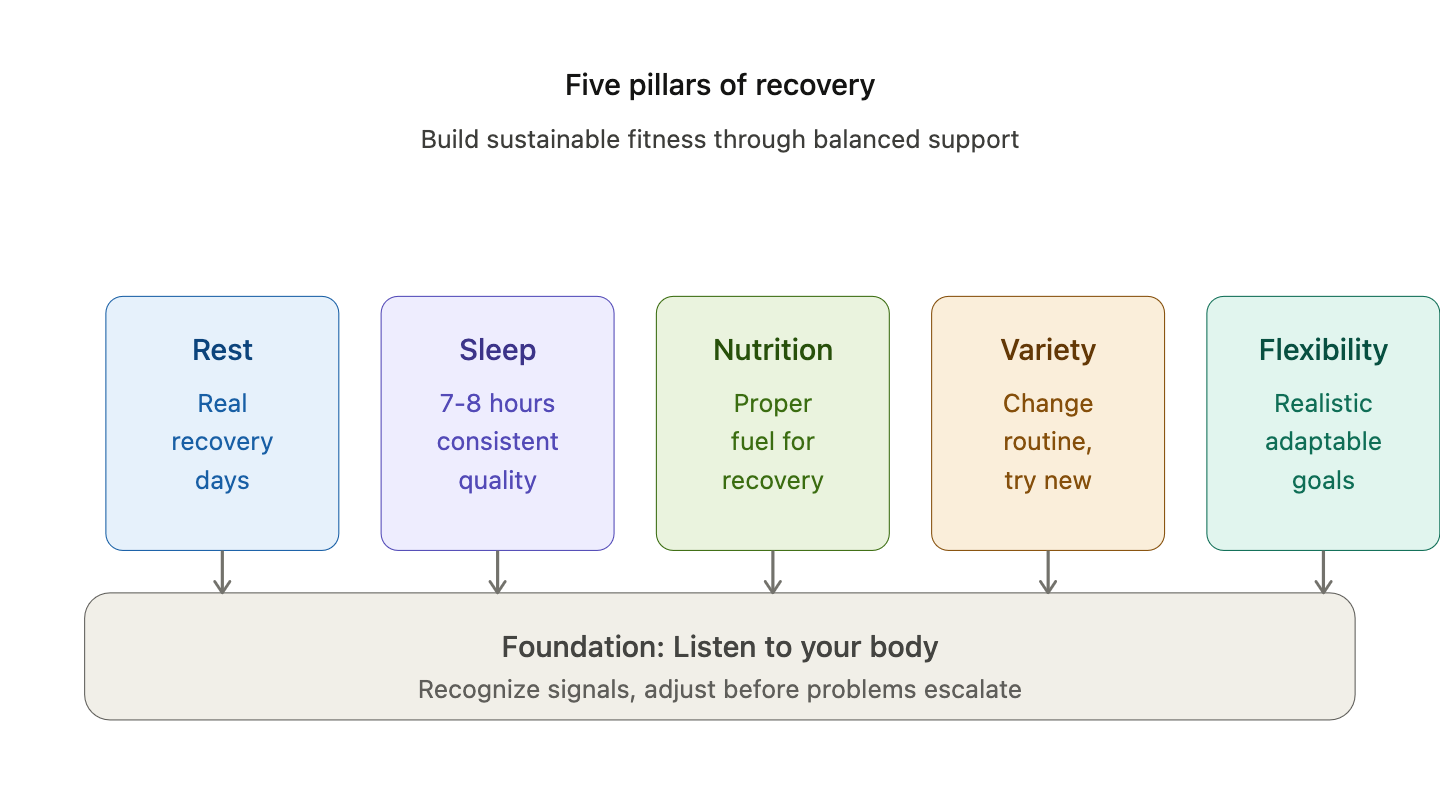
Here’s the good news—burnout isn’t permanent. You don’t have to give up fitness or start over from scratch.
In fact, some of the biggest improvements I’ve made in my fitness journey came after I learned how to recover properly. Sometimes stepping back is exactly what helps you move forward.
Take Real, Intentional Rest
Let’s start with the one most people resist: rest.
And I don’t mean half-rest, where you still sneak in a “light” workout. I mean actual rest days where your body gets a break.
When I first tried this, I felt guilty. Like I was losing progress. But after a few days, I noticed something surprising—I felt stronger, more energized, and more motivated to return.
Rest isn’t laziness. It’s part of the process.
Reduce Intensity Instead of Quitting Completely
If the idea of stopping completely stresses you out, you don’t have to.
You can still move your body—just in a gentler way.
For example, instead of intense HIIT workouts, try walking, yoga, or light strength training. I’ve personally swapped out heavy sessions for simple walks, and honestly, it felt refreshing.
Sometimes your body doesn’t need less movement—it needs different movement.
Prioritize Sleep Like It Actually Matters (Because It Does)
I used to underestimate sleep. Now I treat it like a non-negotiable.
Getting consistent, quality sleep has probably made the biggest difference in how I feel during workouts.
When you sleep well:
- Your muscles recover faster
- Your energy levels improve
- Your mood stabilizes
And let’s be real—everything feels harder when you’re sleep-deprived.
Try setting a regular bedtime, reducing screen time before sleep, and creating a routine that helps you wind down.
Fuel Your Body Properly
You can’t expect your body to perform well if it’s running on empty.
I’ve made the mistake of under-eating while trying to stay “lean,” and it backfired. Low energy, poor workouts, and eventually burnout.
Food is not the enemy—it’s fuel.
Make sure you’re getting enough protein, carbs, and healthy fats. And don’t skip meals, especially if you’re training regularly.
Even something as simple as eating a balanced meal before and after workouts can make a noticeable difference.
Change Your Routine to Break the Monotony
Doing the same workout over and over can get boring—fast.
And boredom is a big contributor to burnout.
I remember feeling stuck in a routine that felt robotic. Once I started trying new things—different exercises, new classes, even outdoor workouts—it completely changed my mindset.
Variety keeps things interesting and mentally engaging.
You don’t have to overhaul everything. Even small changes can make your workouts feel fresh again.
Set More Flexible, Realistic Goals
This one took me a while to figure out.
I used to set very rigid goals—work out six days a week, hit specific numbers, never miss a session. And when I couldn’t keep up, it felt like failure.
Now, I focus on flexibility.
Instead of saying, “I have to work out every day,” I think, “I’ll aim for consistency, but I’ll adjust when needed.”
Fitness should fit into your life—not take it over.
Start Listening to Your Body (Seriously)
We hear this advice all the time, but it’s easy to ignore.
Your body gives you signals—fatigue, soreness, lack of motivation. The problem is, we often override them in the name of discipline.
But real discipline isn’t about pushing through everything. It’s about knowing when to push and when to pull back.
I’ve learned to ask myself simple questions:
- Do I feel energized or drained?
- Am I excited to train or forcing it?
Those answers usually tell me exactly what I need to do.
Rebuild Your Relationship With Fitness
At the end of the day, fitness shouldn’t feel like punishment.
If it does, something needs to change.
For me, that meant shifting my mindset. Instead of focusing only on results, I started paying attention to how workouts made me feel.
And when I found activities I genuinely enjoyed, everything became easier.
The goal isn’t just to stay fit—it’s to enjoy the process of getting there.
Before You Leave
If there’s one thing I hope you take away from this, it’s this: burnout doesn’t mean you’ve failed—it means your body is asking for a better approach.
Fitness isn’t about going all-in all the time. It’s about finding a rhythm that you can sustain—not just for a few weeks, but for years.
And sometimes, the strongest thing you can do… is slow down.