5 Methods To Reduce Anxiety
Anxiety is one of those things we all deal with at some point, but it doesn’t always feel “normal” when you’re in the middle of it. I’ve had days where my mind just wouldn’t stop racing—thinking about things that hadn’t even happened yet. And the worst part? My body reacted like those thoughts were real. Tight chest, restless sleep, that constant edge of worry.
Here’s what I’ve learned: anxiety isn’t just in your head—it’s a full-body experience. And while we can’t always eliminate it, we can absolutely learn how to manage it better.
The good news is, you don’t need complicated systems or drastic life changes. Small, practical shifts can genuinely calm your mind and body. In this article, I’m going to walk you through a few simple methods that actually work—things you can start trying today without overhauling your entire routine.
Understanding the Root of Anxiety
Why Your Brain Keeps Overreacting
One thing that changed everything for me was realizing that anxiety isn’t random. It’s not your brain “breaking.” It’s actually your brain trying to protect you—but sometimes it goes a little overboard.
Think of it like this: your brain is wired to detect threats. Back in the day, that meant survival—like noticing a wild animal nearby. But today? That same system gets triggered by things like deadlines, awkward conversations, or even a message left on “seen.”
I remember once losing sleep over a simple email I had to send. My mind kept going, “What if they think it’s wrong? What if I mess up?” In reality, it was a low-stakes situation. But my brain treated it like a high-risk scenario, and my body followed along.
That’s the tricky part—your brain doesn’t always distinguish between real danger and imagined outcomes. So it prepares you for the worst, even when there’s no immediate threat.
How Lifestyle Quietly Fuels Anxiety
Here’s something I wish I understood earlier: your daily habits can either calm your anxiety or quietly make it worse.
Let’s talk about sleep. On days when I’ve slept poorly, I notice everything feels heavier. Small problems feel bigger. My patience drops. That’s not just in your head—lack of sleep actually makes your brain more reactive.
Then there’s caffeine. I love coffee, but I’ve had moments where I drank too much and suddenly felt jittery, anxious, and on edge. It took me a while to connect the dots. Sometimes what feels like “random anxiety” is just your body overstimulated.
And don’t even get me started on screen time. Scrolling endlessly, especially before bed, keeps your brain in a constant state of input. It never really gets a chance to slow down.
So if you’ve ever thought, “Why am I anxious for no reason?”—there’s often a reason. It’s just not always obvious.
The Mind-Body Connection You Can’t Ignore
One of the biggest realizations for me was this: anxiety doesn’t stay in your thoughts—it shows up in your body too.
You might notice:
- A racing heart
- Tight shoulders or jaw
- Shallow breathing
- That uneasy feeling in your stomach
I used to think I had to “think my way out” of anxiety. But that rarely worked. Why? Because once your body is activated, logic alone doesn’t calm it down.
For example, you might tell yourself, “Everything is fine,” but your body is still in fight-or-flight mode. It’s like trying to convince a fire alarm there’s no fire—it’s already ringing.
This is why physical techniques like breathing or movement work so well (we’ll get into those later). They help calm the body first, which then signals the brain to relax.
Why Awareness Is More Powerful Than You Think
Before you can reduce anxiety, you need to understand it. And I don’t mean overanalyzing every thought—I mean gently noticing patterns.
Start asking yourself simple questions:
- When do I feel most anxious?
- What was I doing right before it started?
- How does it show up in my body?
I once realized that my anxiety spiked every Sunday evening. It wasn’t random—it was tied to anticipating the week ahead. Once I saw that pattern, I could actually do something about it, like planning my Monday earlier or giving myself a proper break on Sundays.
That’s the power of awareness. It turns anxiety from something vague and overwhelming into something you can actually understand and manage.
And honestly, that shift alone can feel like a huge relief.
5 Practical Methods to Reduce Anxiety
Deep Breathing That Actually Works
I used to roll my eyes at breathing exercises. It sounded too simple to make any real difference. But once I actually tried it consistently, I realized something important: your breath is one of the fastest ways to tell your body, “Hey, we’re safe.”
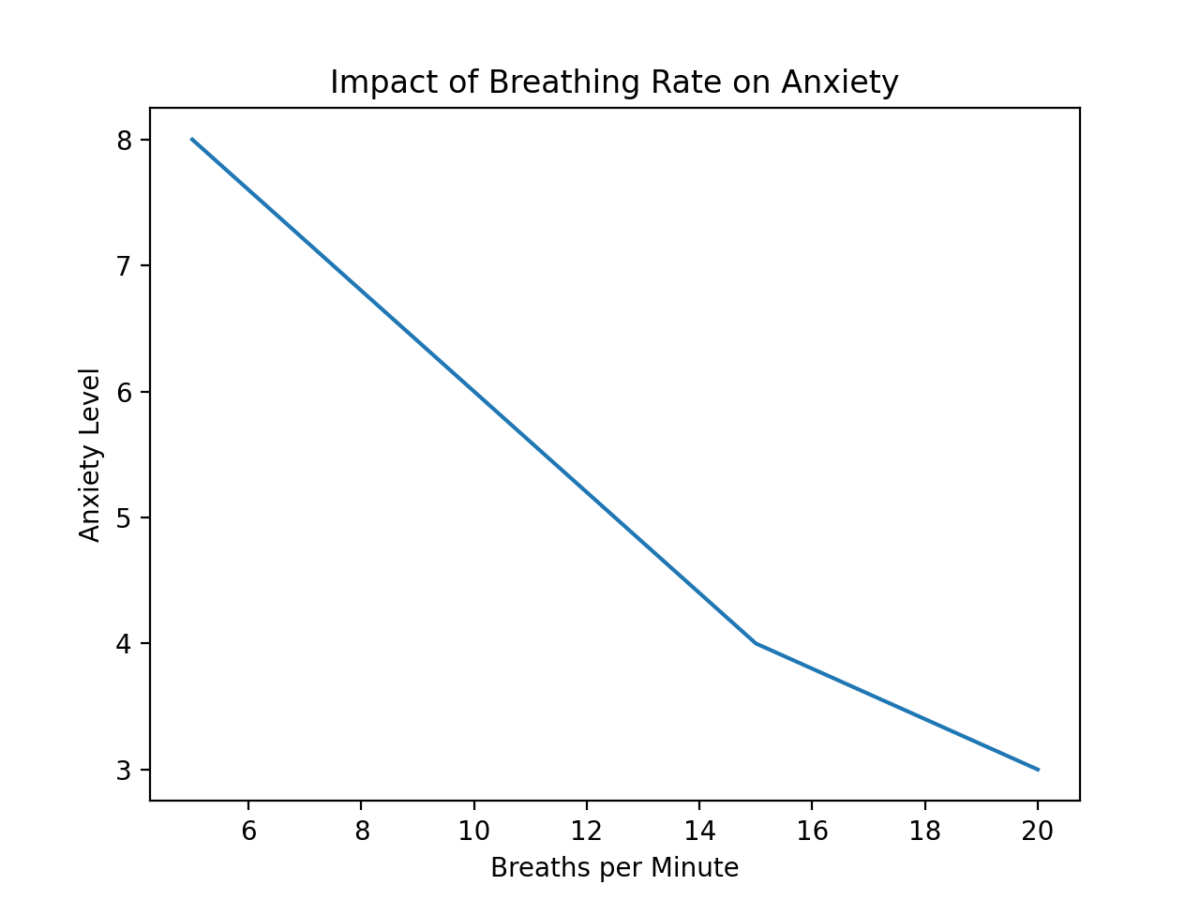
When anxiety hits, your breathing becomes shallow and quick. That signals your brain to stay alert, almost like you’re in danger. But when you slow your breath down, especially your exhale, it does the opposite—it tells your nervous system to calm down.
A technique I keep coming back to is the 4-7-8 method. You inhale for 4 seconds, hold for 7, and exhale slowly for 8. The long exhale is key here. It’s like pressing a reset button.
I remember trying this before a stressful presentation. My hands were cold, heart racing. But after just a few cycles, I felt a noticeable shift. Not magically calm—but more in control, which is often enough.
Moving Your Body (Even When You Don’t Feel Like It)
Let’s be honest—when you’re anxious, the last thing you want to do is exercise. But weirdly, that’s exactly when it helps the most.
You don’t need a gym or a perfect routine. Movement works because it burns off that excess nervous energy your body builds up during anxiety.
There have been days when I felt stuck in my head, overthinking everything. Going for a simple 15-minute walk didn’t solve my problems, but it changed my state. My thoughts slowed down, my breathing evened out, and things felt a little less overwhelming.
Even something as small as stretching, dancing to music, or doing a few push-ups can help. The goal isn’t performance—it’s release.
Think of it this way: your body needs an outlet for the stress it’s holding onto.
Cutting Back on Hidden Triggers
This one took me longer to figure out. Sometimes anxiety isn’t just about thoughts—it’s about what you’re feeding your body and mind.
Caffeine is a big one. I still enjoy coffee, but I’ve learned my limits. Too much, especially on an empty stomach, makes me feel jittery in a way that’s almost identical to anxiety.
Then there’s constant information overload. News, social media, endless notifications—it all adds up. You might not notice it immediately, but your brain is constantly processing and reacting.
I once spent an entire evening scrolling through stressful news updates, and later wondered why I couldn’t relax. That wasn’t a coincidence.
Try experimenting:
- Swap one cup of coffee for water or herbal tea
- Take short breaks from screens
- Avoid heavy content before bedtime
These small changes can create a surprising amount of mental space.
Practicing Mindfulness Without Overcomplicating It
Mindfulness sounds fancy, but it’s actually very simple. It just means bringing your attention back to the present moment.
The reason this works is because anxiety almost always lives in the future—“What if this happens?” or “What if that goes wrong?”
I’ve found that even a few minutes of mindfulness can interrupt that loop. For example, I sometimes sit quietly and just notice:
- What I can hear
- What I can feel (like my feet on the ground)
- My natural breathing
No pressure to “do it perfectly.” Just observing.
One time, I tried this during a particularly stressful day. My mind kept drifting, and I thought I was doing it wrong. But then I realized—coming back to the present again and again is the practice.
It’s not about stopping thoughts. It’s about not getting carried away by them.
Talking It Out Instead of Holding It In
This one is simple, but not always easy. When you’re anxious, your instinct might be to withdraw. But keeping everything inside often makes it louder.
I’ve had moments where I built things up in my head, only to talk to someone and realize I was overcomplicating it. Just saying things out loud can bring clarity.
It doesn’t have to be a deep, serious conversation every time. Even casually saying, “Hey, I’ve been feeling a bit overwhelmed lately,” can open the door.
And if you don’t have someone readily available, journaling can help too. Writing things down gets them out of your head and onto something tangible.
The point is: you don’t have to carry everything alone.
Building Long-Term Habits for Anxiety Control
Why Consistency Beats Intensity
One mistake I used to make was going all-in when I felt overwhelmed. I’d try to fix everything at once—wake up early, meditate, exercise, eat perfectly. And it worked… for about three days.
Then I’d fall off, feel worse, and think I failed.
What I’ve learned since is this: anxiety responds better to consistency than to bursts of effort. Small habits, repeated daily, create a sense of stability your mind can rely on.
It’s less about doing everything and more about doing something regularly.
Creating a Sleep Routine That Supports You
Sleep is one of the most underrated tools for managing anxiety. And I say that as someone who used to ignore it completely.
When your sleep is off, everything feels harder. Your thoughts are louder, your patience is lower, and your ability to cope drops.
I started small—just going to bed at roughly the same time each night. No drastic changes. Over time, I noticed that my mornings felt calmer.
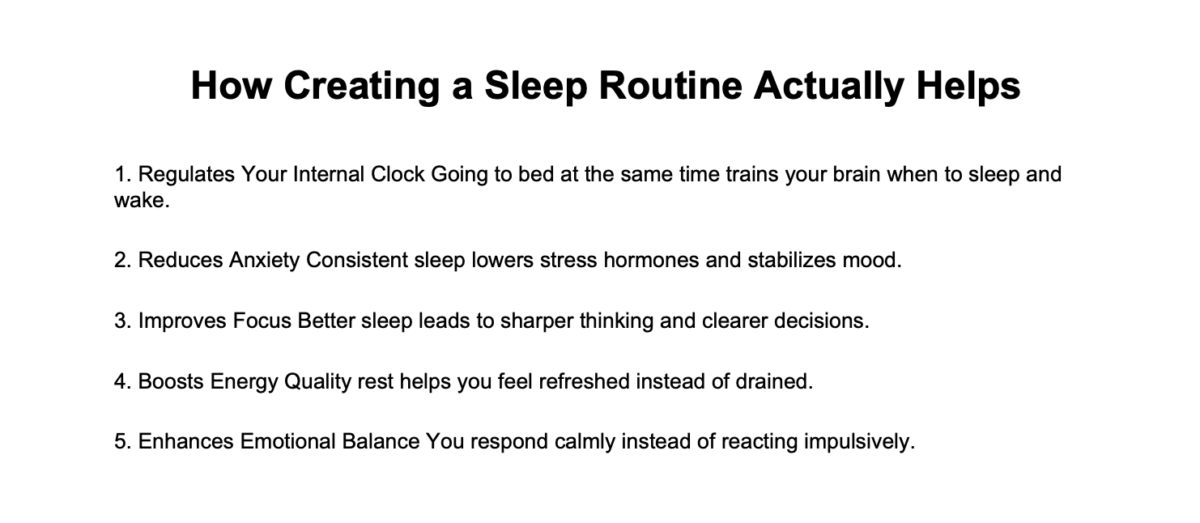
You don’t need a perfect routine. But a few things help:
- Dim lights before bed
- Avoid screens at least 20–30 minutes before sleeping
- Keep a consistent sleep and wake time
It sounds basic, but your brain thrives on predictability.
Journaling to Untangle Your Thoughts
If your mind feels cluttered, journaling can be surprisingly powerful. Think of it as a way to “empty out” your thoughts.
I used to keep everything in my head, which made things feel overwhelming. But once I started writing things down, I could actually see what was bothering me.
Sometimes I’d realize, “Oh, this isn’t as big as I thought.” Other times, it helped me identify patterns.
You don’t need a fancy format. Just write:
- What’s on your mind
- What you’re worried about
- How you’re feeling
The act itself creates clarity. It’s like giving your thoughts somewhere else to live besides your head.
Setting Realistic Goals (And Being Okay With Imperfection)
Anxiety often comes from pressure—especially the kind we put on ourselves.
I’ve had phases where I expected too much from myself in too little time. And when I couldn’t keep up, the anxiety only grew.
That’s why setting realistic goals matters. Not what you “should” do—but what you can actually manage.
For example, instead of saying, “I’ll be productive all day,” try:
- “I’ll focus on one important task”
- “I’ll take breaks when I need them”
It might seem small, but reducing internal pressure creates mental space.
And honestly, being kinder to yourself is one of the most underrated ways to reduce anxiety.
Making Space for Breaks Without Guilt
This one is huge. We often treat rest like a reward instead of a necessity.
But your brain isn’t designed to stay “on” all the time. Without breaks, stress builds up—and eventually shows up as anxiety.
I used to feel guilty stepping away from work. But I’ve noticed that when I actually take short breaks, I come back clearer and more focused.
Even 5–10 minutes can help:
- Step outside
- Stretch your body
- Listen to music
The key is to fully disconnect during that time, even briefly.
You’re not being lazy—you’re resetting.
Before You Leave
If there’s one thing I hope you take away from all this, it’s that anxiety isn’t something you have to fight all at once. It’s something you can gently learn to manage, step by step.
You don’t need to try everything at once. Start with one small change—maybe a breathing exercise, a short walk, or just paying attention to your patterns.
Over time, those small shifts add up. And before you know it, things that once felt overwhelming start to feel a little more manageable.
And that’s a pretty good place to be.