Calorie Counting For Weight Loss (Pros and Cons)
If you’ve ever tried to lose weight, chances are someone told you to “just count your calories.” I used to think that sounded overly simplistic—like, could it really be that straightforward? But the more I looked into it (and experimented myself), the more I realized there’s a solid logic behind it, even if it’s not the full picture.
At its core, calorie counting is about awareness. It forces you to actually look at what you’re eating instead of guessing. And trust me, we’re usually way off when we guess. That “small” handful of snacks or that “light” lunch can easily add up.
Still, it’s not a magic fix. Some people thrive on it, while others feel trapped by the numbers. That’s why it’s worth understanding both sides before diving in—because what works for one person might not work for another.
How Calorie Counting Works
Understanding Calories as Energy
Let’s start with the basics. A calorie is just a unit of energy. Your body needs energy to do everything—from breathing and thinking to walking your dog or hitting the gym. Every food you eat provides a certain number of calories, and your body uses those calories to function.
Here’s where it gets interesting: your body doesn’t care if those calories come from a salad or a slice of pizza—it still counts them as energy. But how your body processes and uses that energy can differ a lot depending on the source. We’ll come back to that later.
The Caloric Deficit Explained
This is the foundation of weight loss. If you take away one thing from this entire topic, it’s this: you lose weight when you consistently burn more calories than you consume. That’s called a caloric deficit.
Let’s say your body needs about 2,200 calories a day to maintain your current weight. If you start eating around 1,800 calories daily, you’re creating a 400-calorie deficit. Over time, that adds up, and your body starts using stored fat for energy.
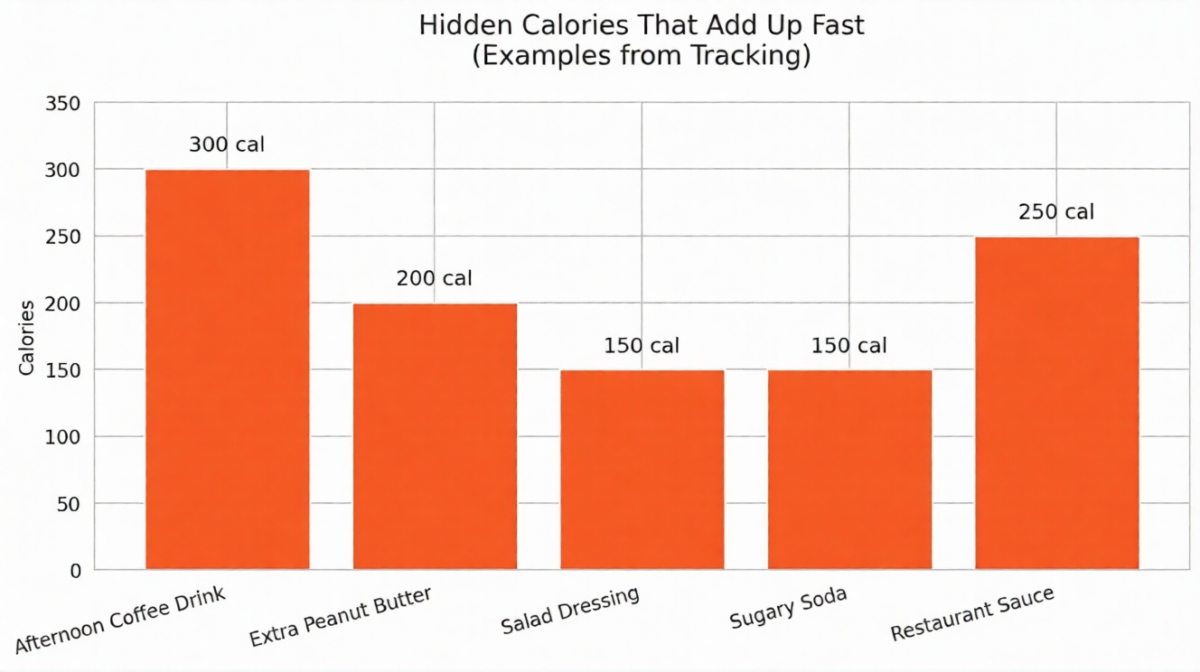
I remember when I first tracked my intake—I was shocked. I thought I was eating “pretty healthy,” but I was easily going over my needs without realizing it. Things like dressings, snacks, and drinks added up fast.
What Determines Your Daily Calorie Needs?
Not everyone burns the same number of calories, and that’s where things get a bit more personalized. Your daily calorie needs depend on a few key factors:
- Your age
- Your weight and height
- Your activity level
- Your metabolism
There’s something called your Basal Metabolic Rate (BMR), which is basically the number of calories your body needs just to keep you alive at rest. On top of that, you burn calories through movement—everything from workouts to just walking around your house.
For example, someone who works a desk job and barely moves during the day will have very different calorie needs compared to someone who’s on their feet all day or regularly exercises.
How People Actually Track Calories
Now, in theory, this all sounds simple. But in real life, tracking calories can feel a bit messy at first.
Most people use apps like MyFitnessPal or Lose It!. You log what you eat, and the app calculates your total calories for the day. These apps have huge food databases, which makes things easier, but you still need to be honest and consistent.
For example, if you pour cereal without measuring it, you might log one serving when you actually had two. That’s a common mistake—I’ve done it myself more times than I’d like to admit.
Food labels also help a lot. In the U.S., packaged foods clearly list calories per serving, which makes tracking more straightforward. But things get tricky when you’re eating out. Restaurant meals can be surprisingly high in calories, especially because of hidden oils and sauces.
Why Accuracy and Consistency Matter
Here’s the part people don’t always talk about: calorie counting only works if you’re reasonably accurate and consistent.
You don’t have to be perfect, but if you’re constantly underestimating portions or forgetting to log snacks, your numbers won’t reflect reality. And that can be frustrating because it might feel like “this isn’t working,” when in fact the tracking is just off.
That said, I don’t think it needs to be obsessive. In my experience, even a rough idea of your intake can be incredibly helpful. Over time, you start recognizing patterns—like which foods are surprisingly calorie-dense or which meals keep you full longer.
And honestly, that awareness is where a lot of the value comes from. It’s not just about hitting a number—it’s about learning how your eating habits actually work, which is something most of us were never really taught.
Pros of Calorie Counting
If I’m being honest, calorie counting gets a lot of criticism—but there’s a reason it’s been around for so long. When done right, it can be incredibly effective and surprisingly eye-opening. I’ve personally learned more about my eating habits from tracking calories than from any diet trend I’ve tried.
It Builds Real Awareness Around Food
One of the biggest benefits is how quickly it forces you to pay attention. Before I ever tracked calories, I thought I had a pretty good idea of what I was eating. Turns out, I didn’t.
For example, I used to grab a “quick” coffee drink in the afternoon. Seemed harmless. But once I logged it, I realized it was 250–300 calories on its own. That’s basically a small meal.
That’s the power of calorie counting—it turns vague habits into clear numbers. And once you see those numbers, it’s hard to ignore them.
It Doesn’t Restrict Specific Foods
Unlike diets that ban carbs or sugar, calorie counting is flexible. You can technically eat whatever you want—as long as it fits your daily calorie goal.
That doesn’t mean you should live off junk food, but it does mean you don’t have to completely give up things you enjoy. I’ve had days where I worked a slice of pizza into my plan and still stayed on track.
That flexibility makes it feel more realistic long-term. You’re not following a strict set of rules—you’re learning how to balance your choices.
It Helps With Portion Control
This one surprised me the most. I didn’t realize how off my portion sizes were until I started measuring things.
Take peanut butter, for example. A serving is usually about two tablespoons. The first time I actually measured it, I realized I’d been eating nearly double that without thinking. That’s an extra 100–200 calories right there.
Calorie counting teaches you what a real portion looks like, and over time, you don’t even need to measure everything. You just get better at estimating.
It’s Highly Personalized
There’s no one-size-fits-all plan here. Your calorie target is based on your body and your lifestyle.
Someone who’s very active might be able to eat 2,500 calories and still lose weight, while someone more sedentary might need closer to 1,800. That’s why calorie counting can feel more fair—it’s tailored to you.
And if your goals change—say you want to maintain your weight or build muscle—you can adjust your intake accordingly. It’s not a rigid system; it’s adaptable.
It’s Backed by Science
At the end of the day, weight loss comes down to energy balance. That’s not a trend—it’s biology.
No matter what diet you follow—whether it’s keto, intermittent fasting, or something else—they all work by helping you create a calorie deficit in some way. Calorie counting just makes that process more visible.
It’s like seeing the math behind the results instead of guessing.
It’s Easier Than Ever With Technology
Let’s be real—tracking calories used to be a hassle. Now, it’s way more convenient.
Apps like MyFitnessPal and Lose It! let you scan barcodes, save meals, and track everything in seconds. Some even sync with fitness trackers to adjust your calorie goals based on your activity.
That convenience makes it much easier to stick with. You don’t need a notebook or a calculator—just your phone.
Cons of Calorie Counting
Now, let’s talk about the other side—because calorie counting isn’t perfect. In fact, for some people, it can do more harm than good if approached the wrong way.
It Can Become Obsessive
This is probably the biggest downside. When you’re constantly thinking about numbers, it can start to take over your mindset.
I’ve had moments where I caught myself stressing over going 50 calories over my limit. That’s when I realized something wasn’t quite right.
For some people, calorie counting can shift from being helpful to being controlling. It’s important to remember that your health is bigger than a daily number.
Tracking Everything Takes Effort
Let’s not sugarcoat it—logging every meal, snack, and drink can get tiring.
At first, it’s kind of interesting. But after a few weeks, you might feel like, “Do I really have to log this handful of almonds?” And if you skip logging too often, the whole system starts to break down.
It’s one of those things where consistency matters, but maintaining that consistency can be challenging.
Not All Calories Are Equal
Technically, 200 calories is 200 calories. But in reality, your body responds very differently depending on what those calories come from.
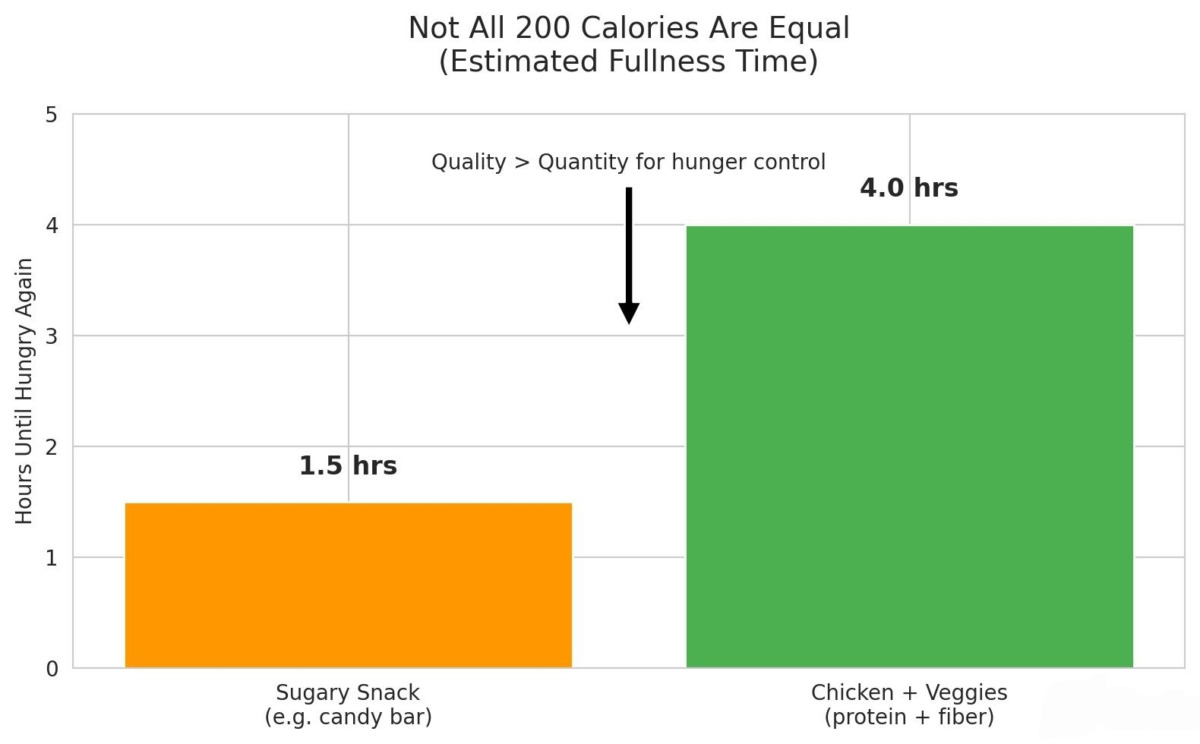
For example:
- 200 calories from a sugary snack might leave you hungry again in an hour
- 200 calories from chicken and vegetables might keep you full for much longer
This is where calorie counting can oversimplify things. It focuses on quantity, but quality matters just as much—if not more.
It Can Ignore Hunger and Fullness Signals
When you’re focused on hitting a calorie target, it’s easy to ignore what your body is actually telling you.
You might eat just because you “have calories left,” even if you’re not hungry. Or you might stop eating even though you’re still hungry, just to stay within your limit.
Over time, this can disconnect you from your natural hunger cues, which isn’t ideal for long-term health.
Eating Out Becomes Complicated
Tracking is relatively easy when you’re cooking at home. But once you start eating out, things get tricky.
Restaurant meals often include hidden calories—extra oil, butter, sauces—that you can’t accurately measure. Even if the menu lists calories, those numbers can vary.
I’ve had meals where I thought I was making a “safe” choice, only to realize later it was way higher in calories than expected.
This can make social situations feel stressful, which isn’t something you want around food.
It May Not Be Sustainable for Everyone
Here’s the truth: some people love tracking, and others absolutely hate it.
If you’re someone who finds it draining or mentally exhausting, forcing yourself to count calories every day might not be the best approach. There are other ways to manage your weight that don’t involve tracking every bite.
The key is finding something you can stick with—not just for a few weeks, but long-term.
Before You Leave
Calorie counting is a tool—and like any tool, it works best when you use it in a way that fits your life. For some people, it creates clarity and control. For others, it feels restrictive or overwhelming.
What I’ve learned is this: it’s less about the numbers and more about what the numbers teach you. If it helps you understand your habits and make better choices, it’s doing its job. If it starts to feel stressful or obsessive, it might be time to step back and adjust your approach.
There’s no single “right” way to lose weight—just the way that works for you.