10 Daily Habits That Can Help You Lose Weight Without You Even Noticing
I used to think losing weight meant signing up for punishing workouts and saying goodbye to all my favorite foods. Honestly, that mindset made everything feel exhausting before I even started. But over time, I realized something way more interesting: the small things you do every day matter more than the big things you do occasionally.
Think about it—your daily routine is basically a collection of tiny decisions. What you eat, how much you move, how you sleep—it all adds up quietly in the background. And the best part? You don’t have to flip your life upside down to see results.
In this article, I want to walk you through a different approach. One that feels natural, almost effortless. Because real, lasting weight loss often happens when you’re not obsessing over it, but simply living a little better each day.
The Power of Mindless Movement
Why Your Body Burns More Than You Think
One thing that completely changed how I look at weight loss is understanding something called NEAT (Non-Exercise Activity Thermogenesis). Sounds technical, but it’s actually simple. It’s the energy you burn doing everyday stuff—walking around, cleaning, even fidgeting.
Here’s the surprising part: NEAT can burn more calories than your workouts.
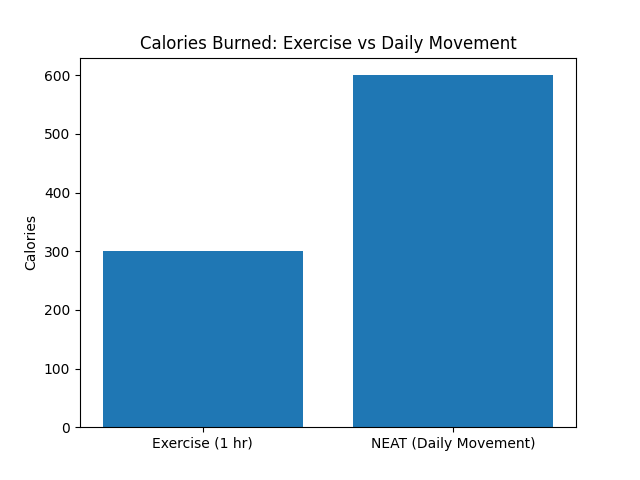
Yeah, I didn’t believe that at first either. But think about it—most people work out for maybe 30–60 minutes a day (if that). The rest of the day? That’s where NEAT lives. And if you’re mostly sitting, your calorie burn drops way more than you’d expect.
The Problem With Sitting All Day
I’ve had phases where I’d hit the gym regularly but still not see results. Turns out, the issue wasn’t my workouts—it was everything outside them.
Sitting for long hours basically tells your body to slow down. Your metabolism dips, your muscles stay inactive, and your overall energy expenditure shrinks. It’s like trying to drive fast with the brakes slightly on all day.
For example, imagine two people:
- One works out for an hour but sits for the next 10 hours
- The other skips the gym but stays active throughout the day
In many cases, the second person actually burns more calories. Wild, right?
How Small Movements Add Up
This is where things get interesting—and honestly, kind of exciting.
You don’t need to suddenly become a fitness fanatic. You just need to move a little more, a little often.
Here are some real-life examples I’ve tried (and still do):
- Taking the stairs instead of the elevator: At first, it feels like effort. After a week, it’s just normal.
- Walking while on phone calls: I’ve had full conversations pacing around my room or balcony—it adds up quickly.
- Doing quick chores in between tasks: Wiping surfaces, organizing a shelf, or even folding laundry keeps you moving.
It might not feel like much in the moment, but over a full day, these movements can burn hundreds of extra calories.
The “Invisible Burn” Effect
What I love about this approach is that it doesn’t feel like “exercise.” It’s just living.
And that’s the secret: when something doesn’t feel like effort, you’re far more likely to stick with it.
For instance, I started parking my bike a little farther from where I needed to go. Not a big deal, right? But that extra walking became automatic. No motivation required.
Same with standing up more often. I set a loose rule for myself—if I’ve been sitting for a while, I just get up and move around for a minute or two. No timer, no pressure. Just awareness.
Consistency Beats Intensity Every Time
Here’s something I wish someone told me earlier: your body responds better to consistent, low-level activity than occasional bursts of effort.
It’s like watering a plant. You wouldn’t dump a bucket of water once a week and expect it to thrive. You give it a little water every day.
Movement works the same way.
Even something as simple as:
- Standing instead of sitting while scrolling your phone
- Walking for five minutes after meals
- Stretching during breaks
These habits don’t feel intense, but they quietly shape your metabolism, your energy levels, and ultimately, your weight.
Making It Feel Effortless
If you’re thinking, “This sounds good, but I’ll probably forget,” I get it. I’ve been there.
The trick is to attach movement to things you already do:
- Phone call = walk
- Watching something = stand or stretch
- Waiting for something = move around
No extra time needed. No complicated plan.
Just small tweaks that fit into your life.
And over time, you’ll notice something interesting—you’re moving more without even thinking about it. And that’s exactly the point.
Simple Daily Habits That Quietly Support Weight Loss
If there’s one thing I’ve learned the hard way, it’s this: weight loss is less about willpower and more about your everyday patterns. You don’t wake up one day suddenly “disciplined”—you just build small habits that make better choices easier.
And honestly, the simplest habits tend to work the best because you actually stick to them.
Eating Habits That Make a Bigger Difference Than You Expect
Let me start with food, because this is where most of us overcomplicate things.
- Eat slowly and actually pay attention to your food
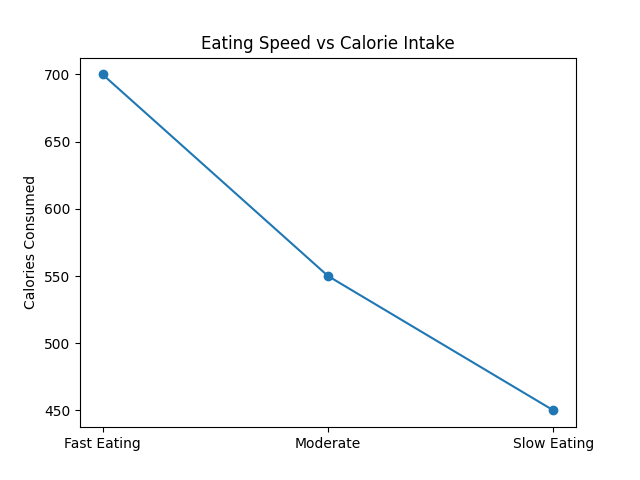
I used to finish meals in under 10 minutes without even realizing it. The problem? Your brain needs time to catch up with your stomach. When you eat slower, you naturally eat less without trying. Try putting your spoon down between bites or just chewing a bit longer—it sounds basic, but it works. - Use smaller plates without overthinking it
This one feels almost too simple, but it’s surprisingly effective. When I switched to a slightly smaller plate, my portions automatically adjusted. You still feel like you’re eating a full plate, but you’re actually consuming less. It’s a psychological trick that works in your favor. - Drink water before meals
I can’t tell you how many times I thought I was hungry when I was just dehydrated. Drinking a glass of water before eating helps you feel fuller and also slows you down a bit. It’s such an easy habit, but it quietly cuts down overeating. - Avoid eating straight from packets
This one hit me personally. It’s so easy to lose track when you’re eating from a bag of chips or snacks. Pouring it into a bowl creates a natural limit. Out of sight, out of hand—literally.
Lifestyle Tweaks That Work Behind the Scenes
Now, here’s the part most people ignore—but it matters more than you think.
- Prioritize sleep like it actually matters (because it does)
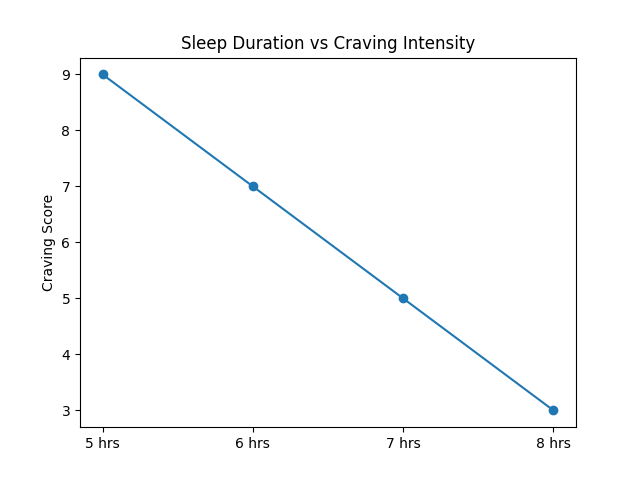
Whenever I sleep poorly, everything else falls apart—my cravings go up, my energy drops, and I just don’t feel like moving. Lack of sleep messes with your hunger hormones, making you want more sugary, high-calorie foods. Getting 7–8 hours isn’t just about rest—it’s about keeping your appetite in check. - Reduce screen time before bed
I know, this one’s tough. I still catch myself scrolling at night. But even cutting down 20–30 minutes helps. Better sleep quality = better decisions the next day. It’s a ripple effect you don’t notice until you feel it. - Keep healthy options visible and junk food out of reach
This might be my favorite trick. I started keeping fruits where I can see them—on my desk, kitchen counter, anywhere. Meanwhile, snacks I want to avoid? I tuck them away or don’t buy them at all. You’d be surprised how much your choices depend on what’s right in front of you.
Movement Habits That Don’t Feel Like Work
This ties back to what we talked about earlier, but now we’re making it more intentional.
- Take short walks after meals
I started doing this randomly, and now it’s something I genuinely enjoy. Even a 5–10 minute walk helps with digestion and keeps you active. Plus, it doesn’t feel like a workout—it feels like a break. - Stand up more often than you think you need to
If you sit for work (like I do), this one is huge. I don’t follow strict timers—I just stand up whenever I remember. Sometimes I stretch, sometimes I just walk around. It’s simple, but it keeps your body from going into “low-energy mode.” - Use small moments for movement
Waiting for something? Instead of reaching for your phone, just move. Walk around, stretch, or even tidy up. These tiny moments are where a lot of unnoticed activity comes from.
The Role of Environment and Routine
Why Your Surroundings Matter More Than Motivation
Here’s something I wish I understood earlier: your environment quietly controls your behavior more than your motivation ever will.
We like to think we’re making conscious decisions all day, but most of what we do is automatic. If your surroundings make unhealthy choices easy, you’ll keep choosing them—even with the best intentions.
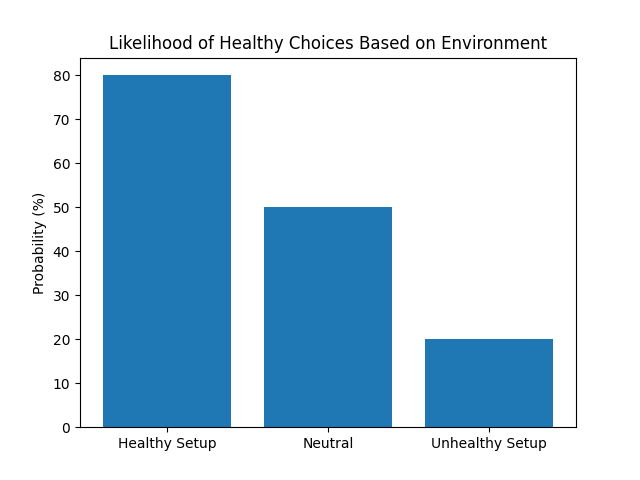
For example, if snacks are always within arm’s reach, you’ll eat them without thinking. But if water is right next to you, you’ll sip it more often. It’s not about discipline—it’s about design.
Make Good Choices the Easy Default
This is where things get powerful.
Instead of trying to “be stronger,” I started asking myself:
“How can I make the better choice the easier one?”
Here’s what that looked like for me:
- I keep a water bottle within reach all the time
Not in another room, not in my bag—right next to me. I drink more without even noticing. - I prep simple meals or snacks ahead of time
Nothing fancy. Just cutting fruits, boiling eggs, or having something ready. When I’m hungry, I don’t have to think—I just grab what’s already there. - I rearranged my space slightly
Healthy foods are visible. Less healthy ones are hidden or harder to reach. Out of sight really does mean out of mind.
Build Routines That Run on Autopilot
The real goal here isn’t perfection—it’s automation.
Because let’s be honest, you won’t always feel motivated. I definitely don’t. But when something becomes part of your routine, you do it anyway.
For example:
- Drinking water after waking up
- Taking a short walk after meals
- Standing up during certain activities
These aren’t big decisions anymore—they’re just things you do.
And that’s when it clicks. You stop relying on motivation and start relying on habit.
Use Simple Cues to Stay Consistent
One trick that helped me a lot is using cues—little reminders built into your day.
- Keep your shoes visible if you want to walk more
- Place a water bottle on your desk
- Set gentle reminders to move if needed
You’re not forcing yourself—you’re just nudging yourself in the right direction.
Why This Approach Actually Works
What makes all of this effective is that it removes friction.
You’re not fighting yourself. You’re not constantly making hard decisions. You’re just making small, smart adjustments that guide your behavior naturally.
And over time, those small adjustments add up in ways you don’t immediately notice—but definitely feel.
Before You Leave
If there’s one thing I’d want you to take away from all of this, it’s this: you don’t need to overhaul your life to lose weight.
Start small. Pick one or two habits that feel easy—not perfect, just doable. Maybe it’s drinking more water or taking short walks. Maybe it’s eating a little slower.
Because in the end, it’s not about doing everything right. It’s about doing a few things consistently.
And that’s where real change begins.